From vacant ground to occupied units
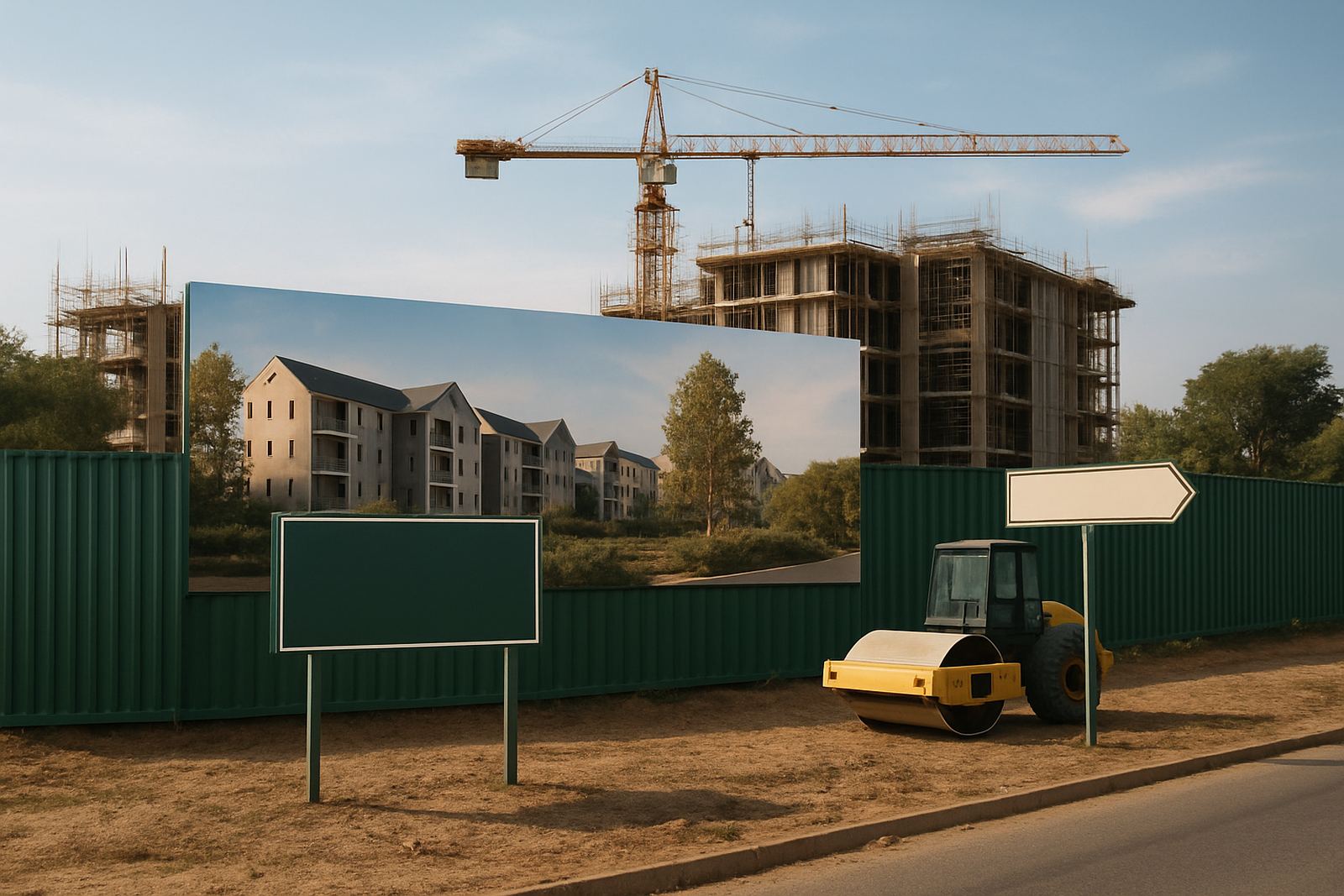
On a new development, signage has to do more than carry a logo. It needs to guide traffic, point people to sales offices, direct contractors, mark parking and deliver a clear first impression before the building is fully complete. In Gauteng that often means working around uneven ground, active cranes, temporary access roads and municipal requirements that change as the site opens in phases.
We support developers, property managers and estate teams with signage strategy from the beginning, so the first boards, directional signs and information panels all follow one planned system. That helps avoid rework when the sales phase ends and the occupation phase begins.
- Launch boards and perimeter branding for the pre-sale period
- Directional signs for entrances, security, visitor parking and sales centres
- Occupation signage for unit numbers, lifts, basements and common areas
Typical signage packages for developments
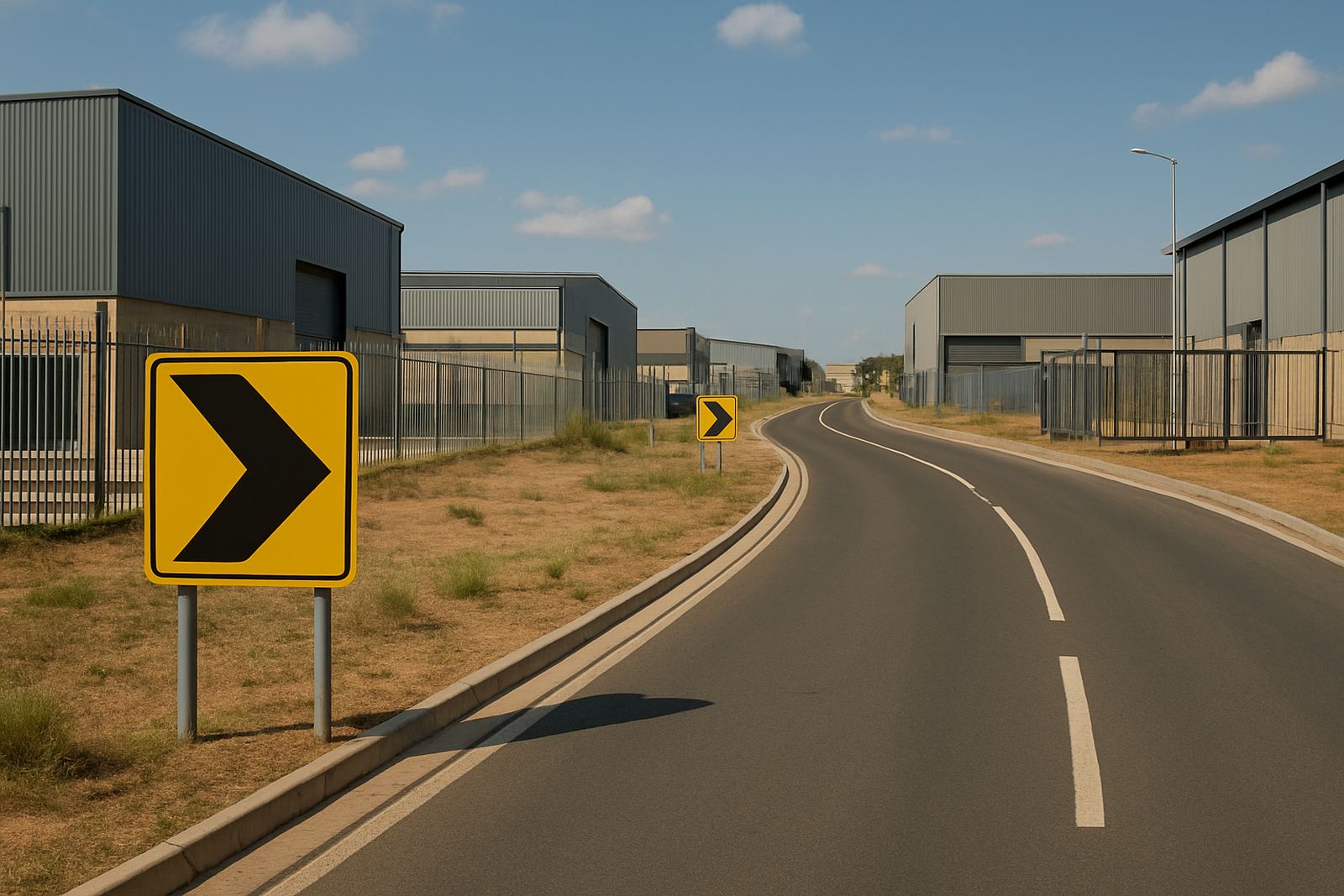
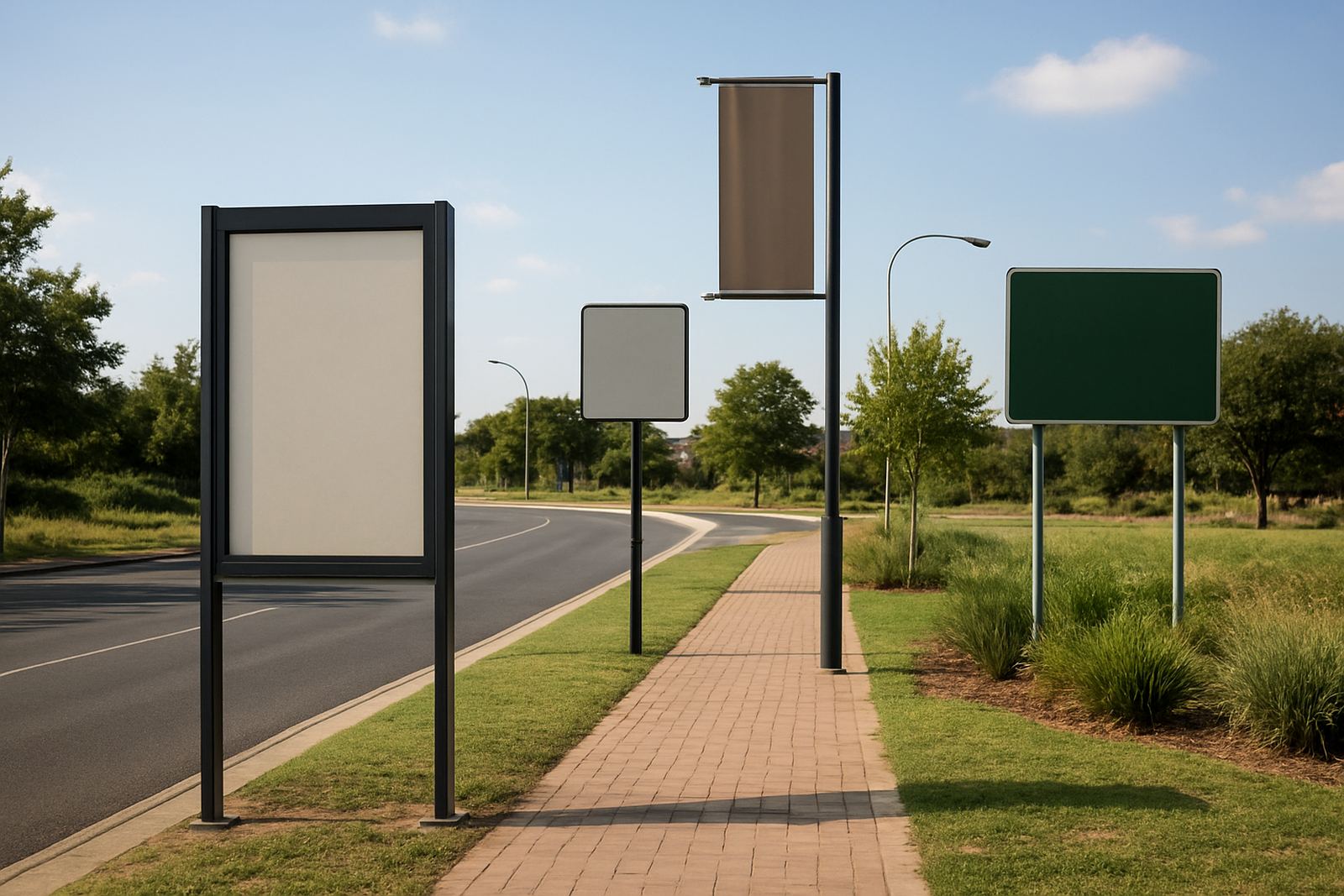
Every site is different, but the typical package usually combines printed vinyl, aluminium composite boards, routered Perspex letters, fabricated 3D lettering, light boxes and, where needed, LED screens for marketing messages or tenant announcements. For larger sites we also supply pylons, road signs and compliance-style wayfinding boards for vehicle movement and pedestrian routes.
Materials are chosen for the conditions on site. Coastal humidity in Durban calls for careful sealing and fixings that resist corrosion, while inland sites in Johannesburg and Pretoria need durable finishes that can handle dust, strong sun and load-shedding related downtime for screen systems. If a sign is going to sit on a boundary wall for 18 months or more, the fixing method matters as much as the print.
- Temporary hoarding graphics and construction fence branding
- Illuminated entrance signs for sales suites and completed estates
- Tenant directory boards, parking markers and block identification
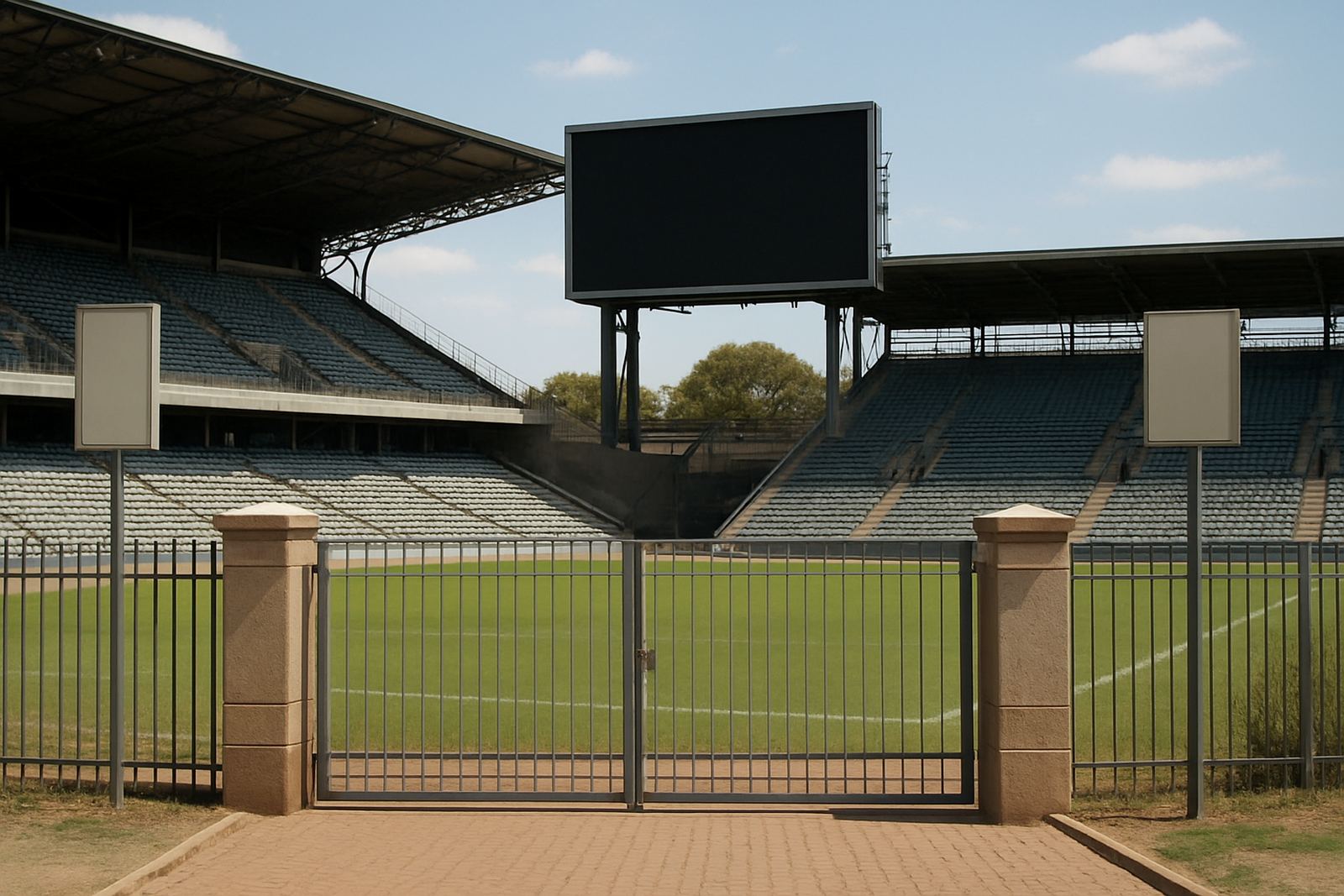
- LED video screens for launch campaigns and occupancy notices
Planning the site so people find the right place first time
A good layout starts with how people arrive. We look at road access, security gates, pedestrian routes, visitor parking, contractor entrances and the shortest route from the street to the sales centre. If a development has more than one phase, the signs must still make sense when one block is complete and the next is still under hoarding.
Wayfinding planning should be done before fabrication starts, not after the first board is already on site. That allows the team to align sizes, colours, wording and mounting heights across the whole property. It also prevents the common problem of too many sign types competing with each other. One clear system is better than five different styles no one can follow.
- Keep entrance signs visible from the driver’s line of sight
- Use simple naming for blocks, phases and parking levels
- Allow room for future tenant or unit changes
- Check local approval needs early, especially for roadside signs and pylons
What often goes wrong on development sites
The most common mistake is leaving signage to the end of the programme. That usually leads to rushed wording, mismatched materials and poor fixing details. Another issue is over-signing a site. When every wall carries something different, visitors still cannot tell where to go and the property looks untidy before occupation has even started.
We also see signs specified without thinking about maintenance. A light box with hard-to-reach lamps, or a screen with no service access, can become a problem within months. In windy areas and exposed rooftop positions, structural coordination is not optional. If the frame, base plate or anchor detail is weak, the sign will not hold up through summer storms.
On active developments, temporary signs must be placed so they do not interfere with construction movement or create a risk to pedestrians. We coordinate with engineers, contractors and site teams to keep the installation practical, safe and in line with the build programme.
Budget ranges for property development signage
Budget depends on the size of the site, number of phases, whether illumination is needed and how much structural work is involved. As a practical guide, a small sales centre package with basic directional boards, branding panels and one or two illuminated signs can start from about R35 000 to R90 000. A medium development with perimeter branding, block markers, parking direction and a pylon can sit in the range of R120 000 to R350 000.
Larger mixed-use or estate developments with multiple entrances, roadside signs, fabricated letters and LED screen integration often run from R400 000 upwards, depending on size and specification. If approvals, civils, structural steel or electrical coordination are needed, those costs should be allowed for early so the project does not stall later.
We help clients separate must-have signs for launch from phase-two items that can be added after occupation. That way the budget is spread sensibly and the site still looks organised from day one.
How we manage the work from drawing board to handover
Our process covers signage strategy, site surveys, wayfinding planning, design development, material specification, structural coordination, approval support, fabrication management, installation management, LED screen integration, maintenance planning and project handover. For development clients, that means one team can carry the work through multiple stages instead of starting over each time the site changes.
We regularly work across Modderfontein, Sandton, Midrand, Randrand? No, Randburg, Germiston, Pretoria, Centurion and Durban, and we also support projects elsewhere in Africa when the brief calls for it. For developers this matters because the same standards can be kept across a portfolio, whether the site is a single tower, a retail node or a new estate.
- Clear drawings and sign schedules before fabrication begins
- Site checks for mounting points, access and power supply
- Installation planning around contractors, security and traffic flow
- Handover with maintenance notes and asset list for future changes
Signs that stay useful after the ribbon is cut
Once the launch banners come down, the remaining signage still has to work hard. Occupation signs should help residents, tenants and visitors find lifts, stairs, refuse areas, loading bays and reception points without asking security for help every five minutes. Good signage cuts down on confusion and saves the management team time after handover.
For property developments, the best result is a system that looks considered from the first day on site and remains practical when the last unit is occupied. That is where planning, the right materials and proper installation all matter. It is also where a little forethought can save a lot of money later on.