


Choosing the right signage system for your site
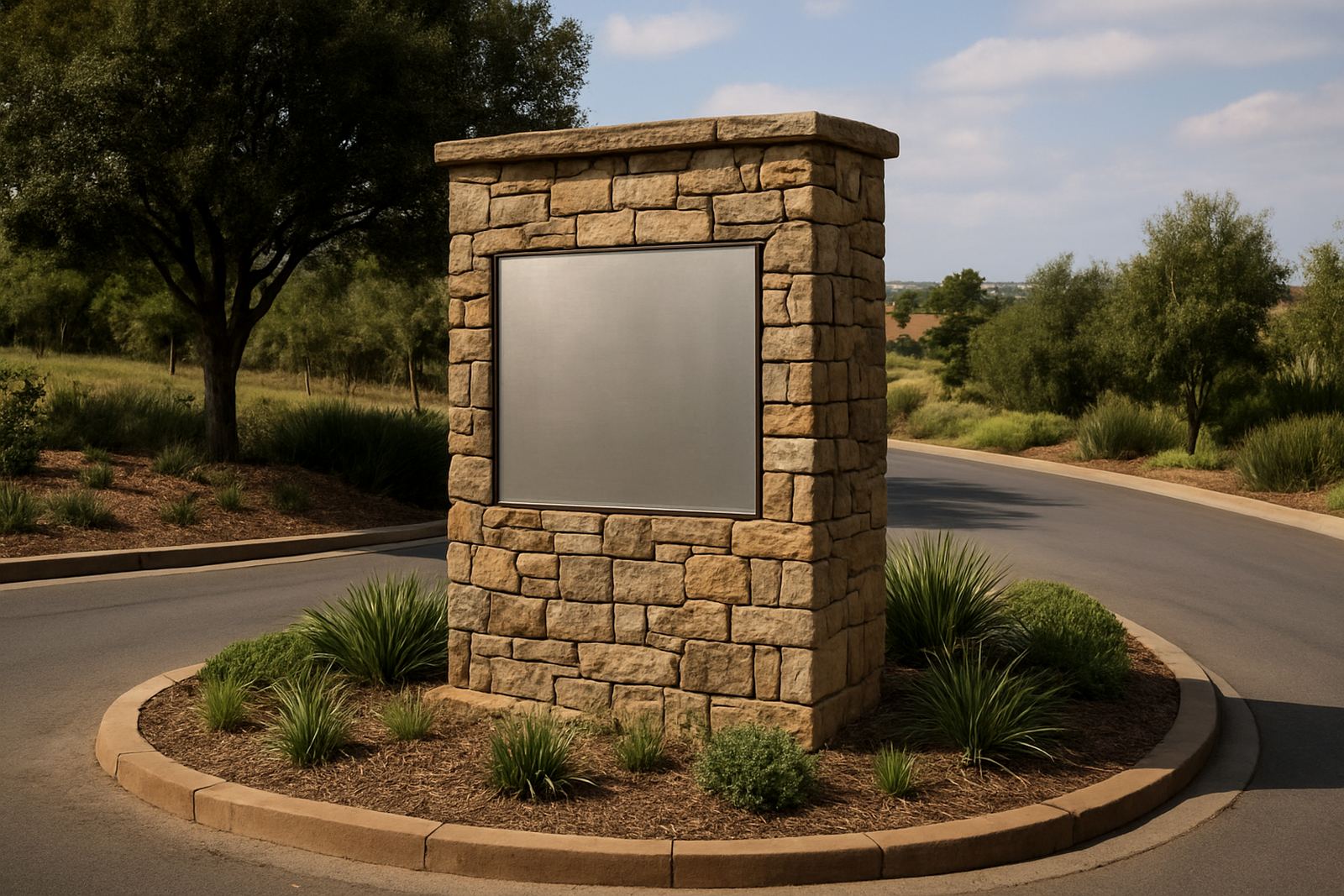
A signage system is more than a single sign. It may include directional boards, entrance monuments, wall signs, internal wayfinding, illuminated features and digital display, all working together so people can find, read and trust the place they are in.
We start by looking at use, viewing distance, traffic flow and maintenance access. A precinct in Sandton needs different detailing from a school in Midrand, while a coastal site in Durban needs material choices that stand up to salt air and moisture. For load-shedding, we also consider what must remain visible without power and what can be allowed to dim.
Printed, fabricated and illuminated options
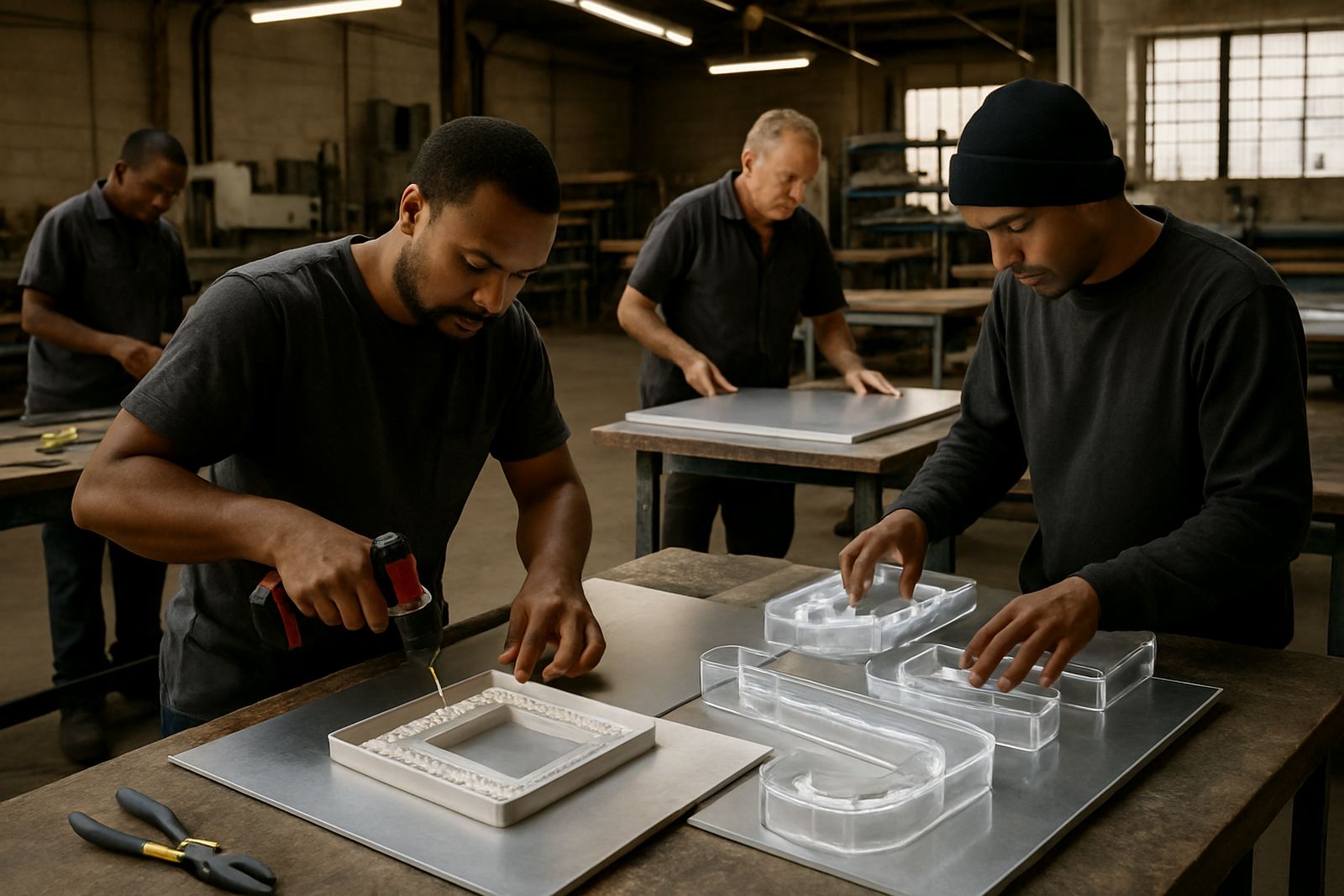
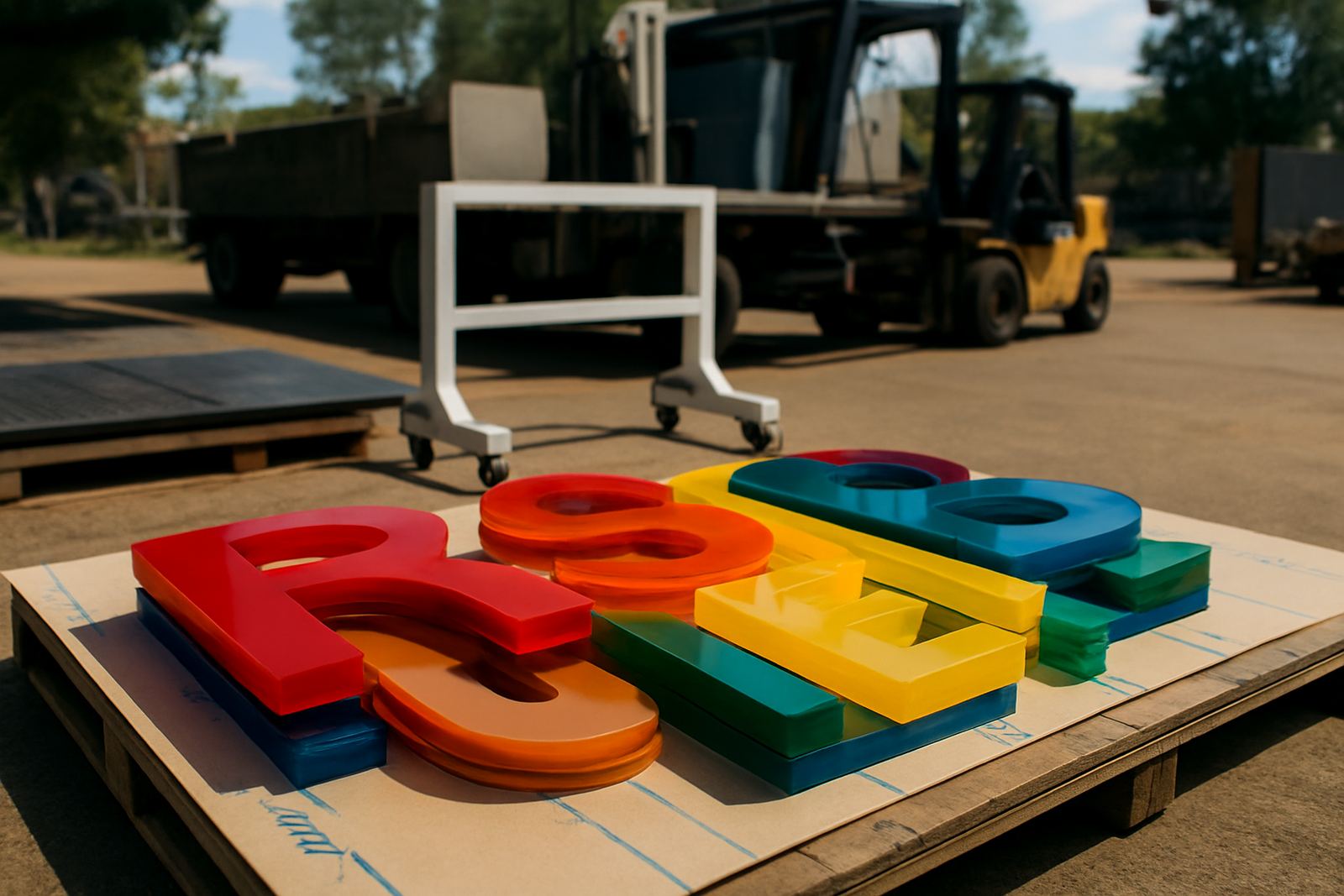
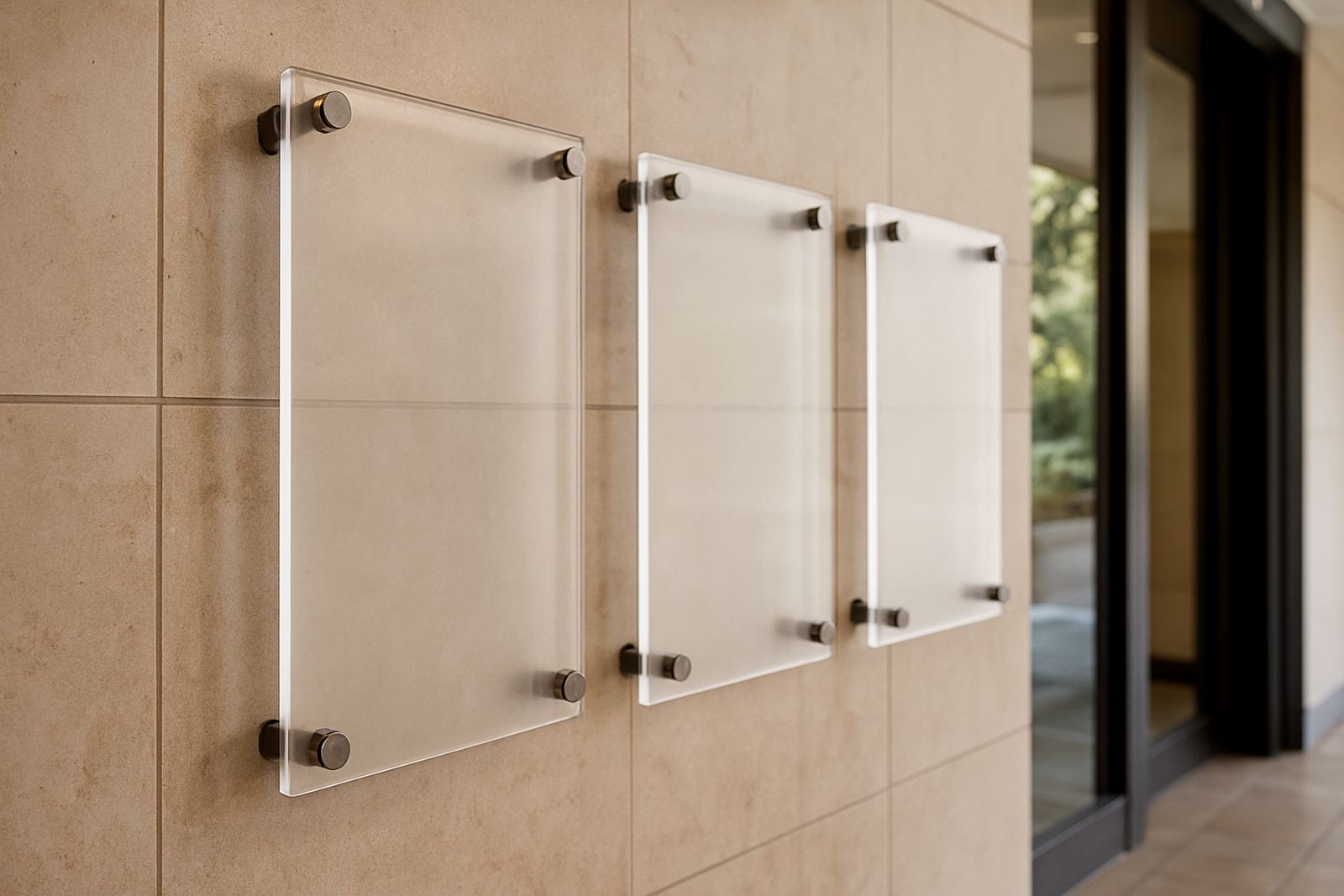
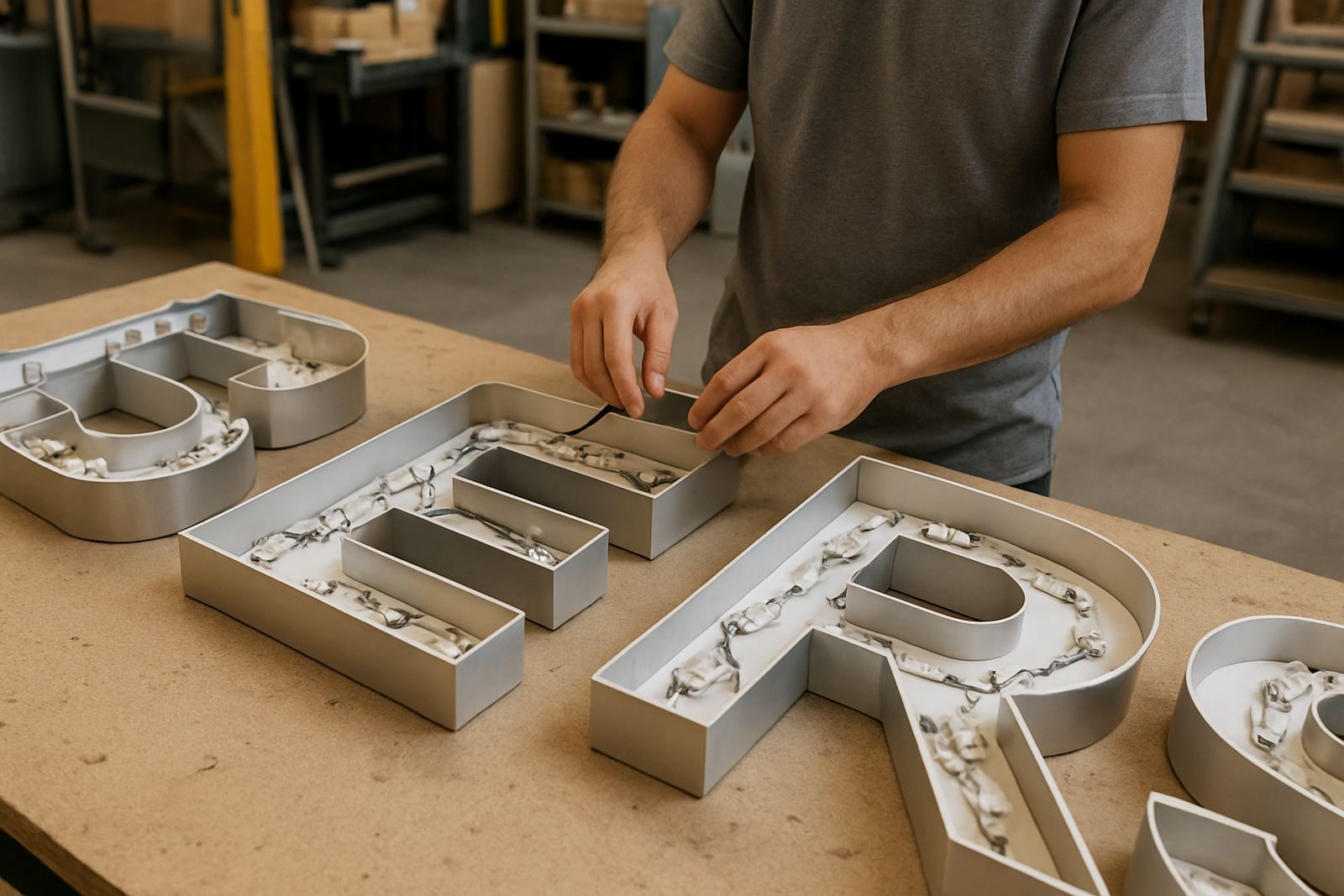
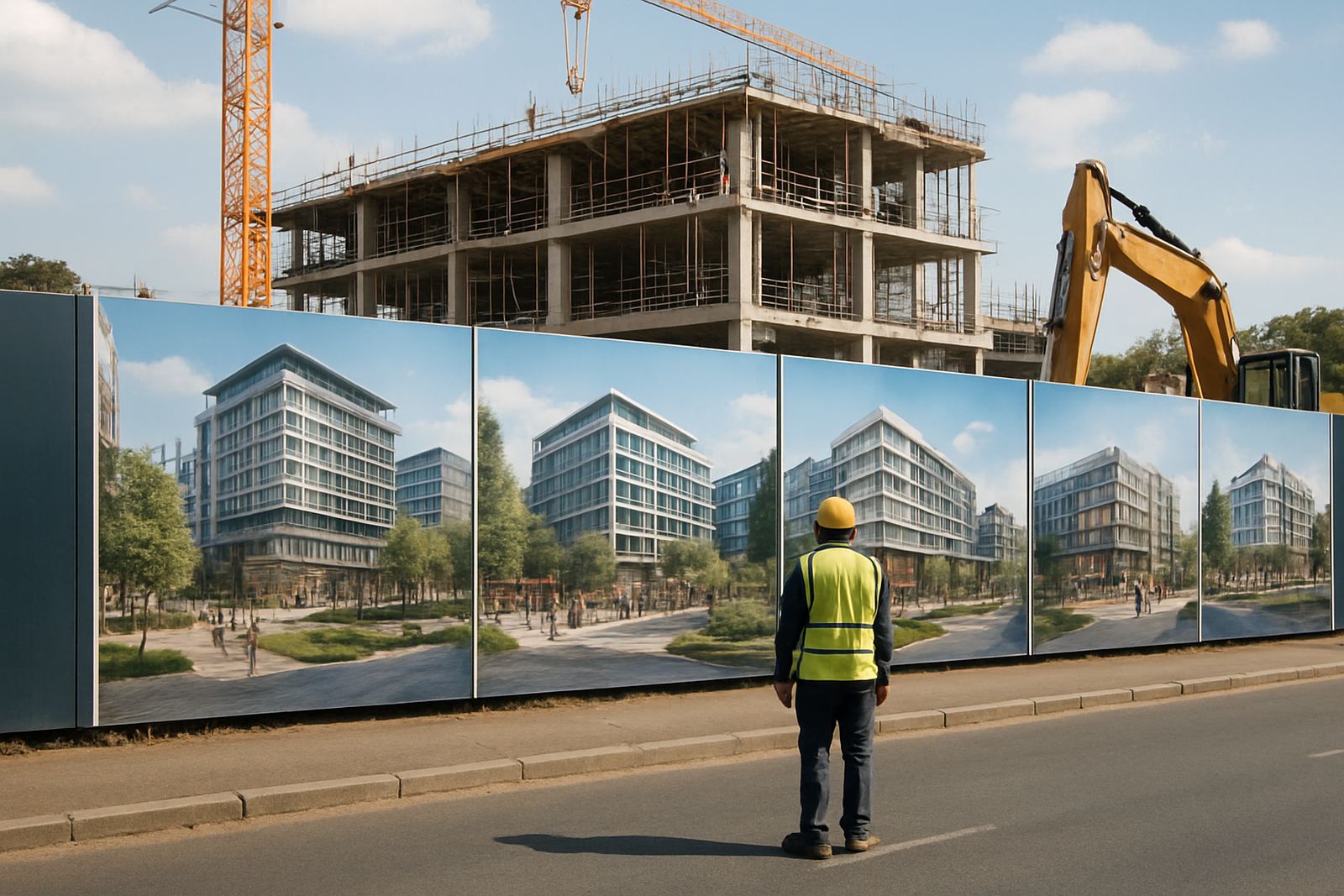
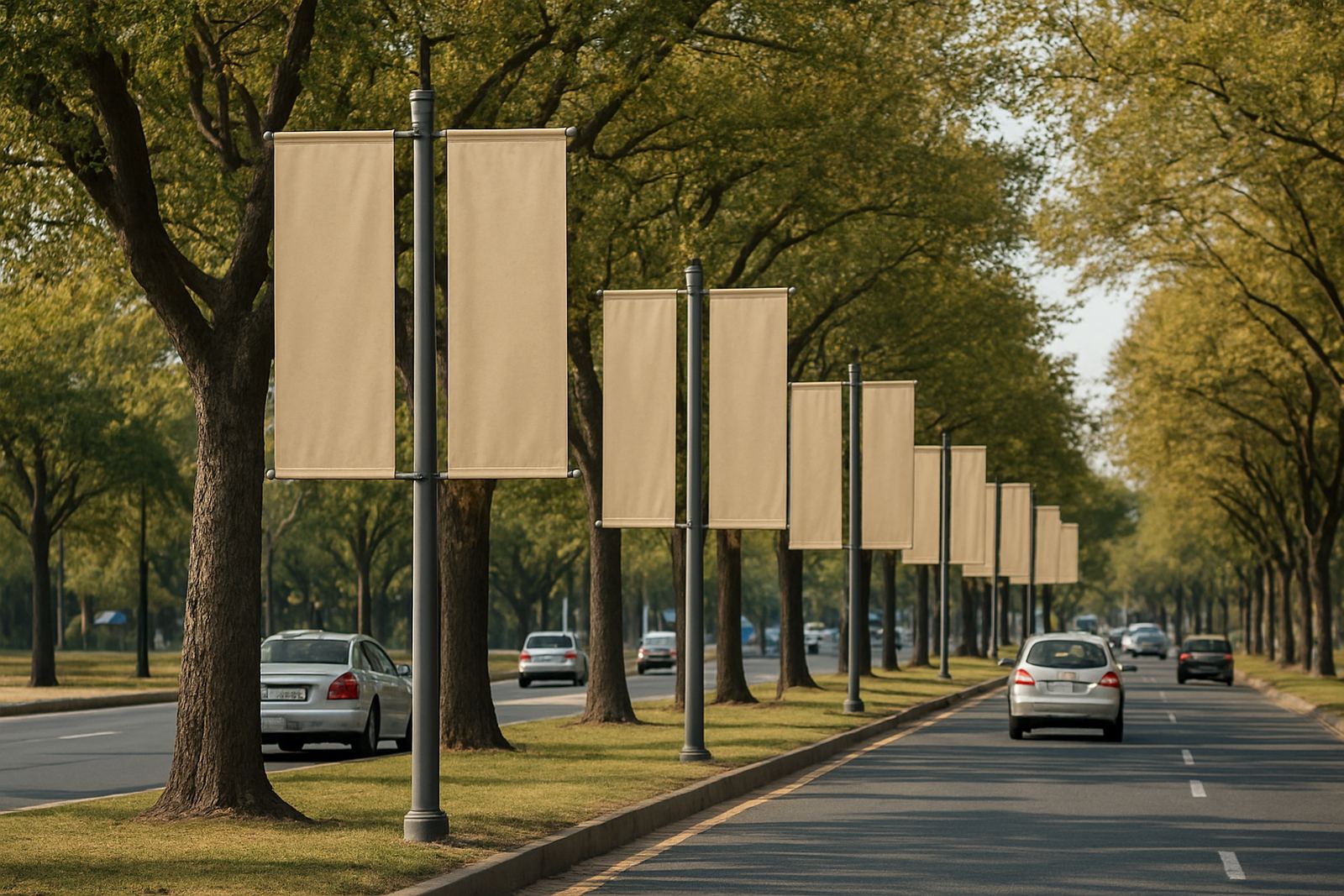
Our range covers printed vinyl, routered Perspex, aluminium and brass, fabricated 3D lettering, light boxes, pylons, road signs, billboards and LED video screens. Each option has a place, and the best result often comes from combining two or three types rather than forcing one material to do everything.
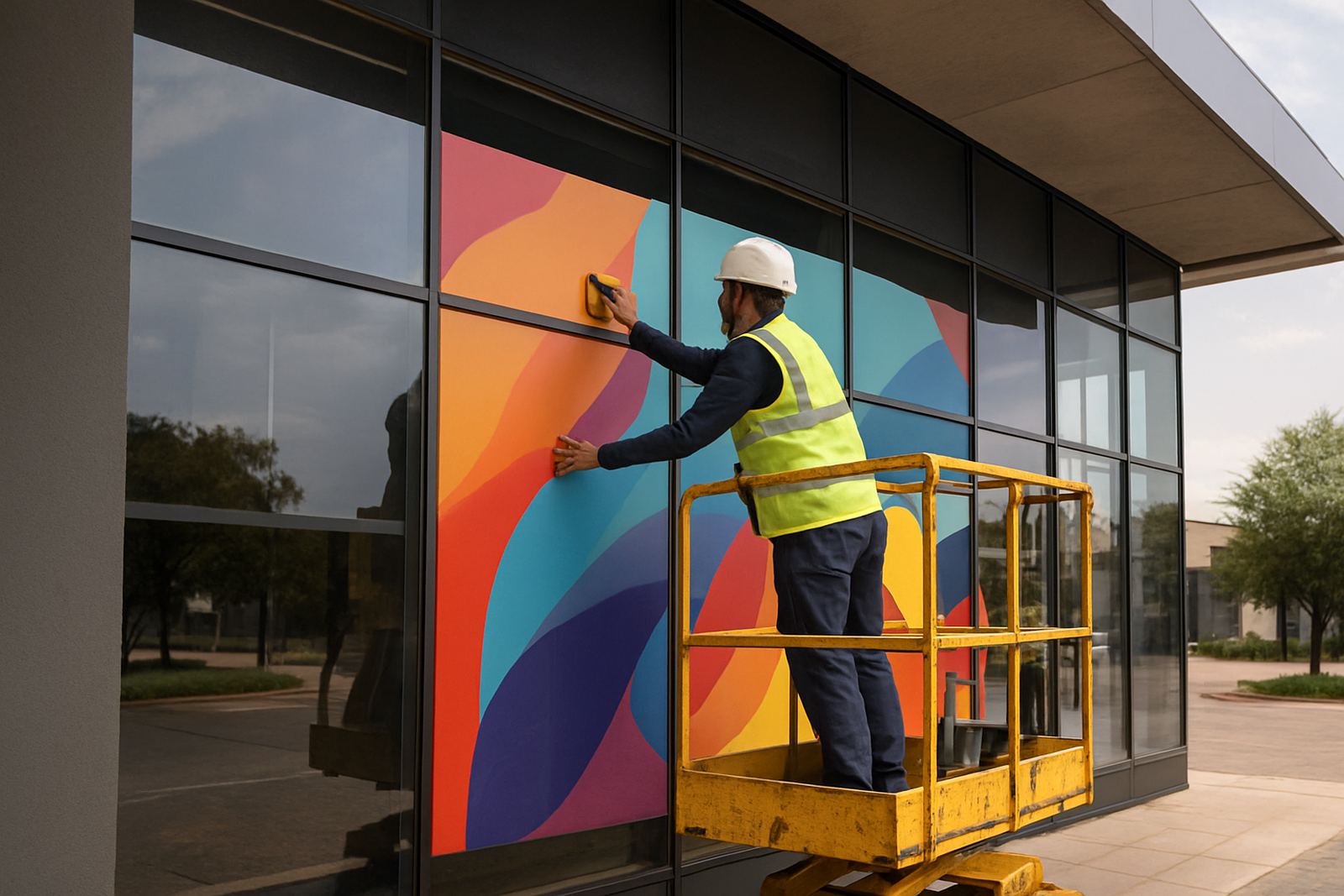
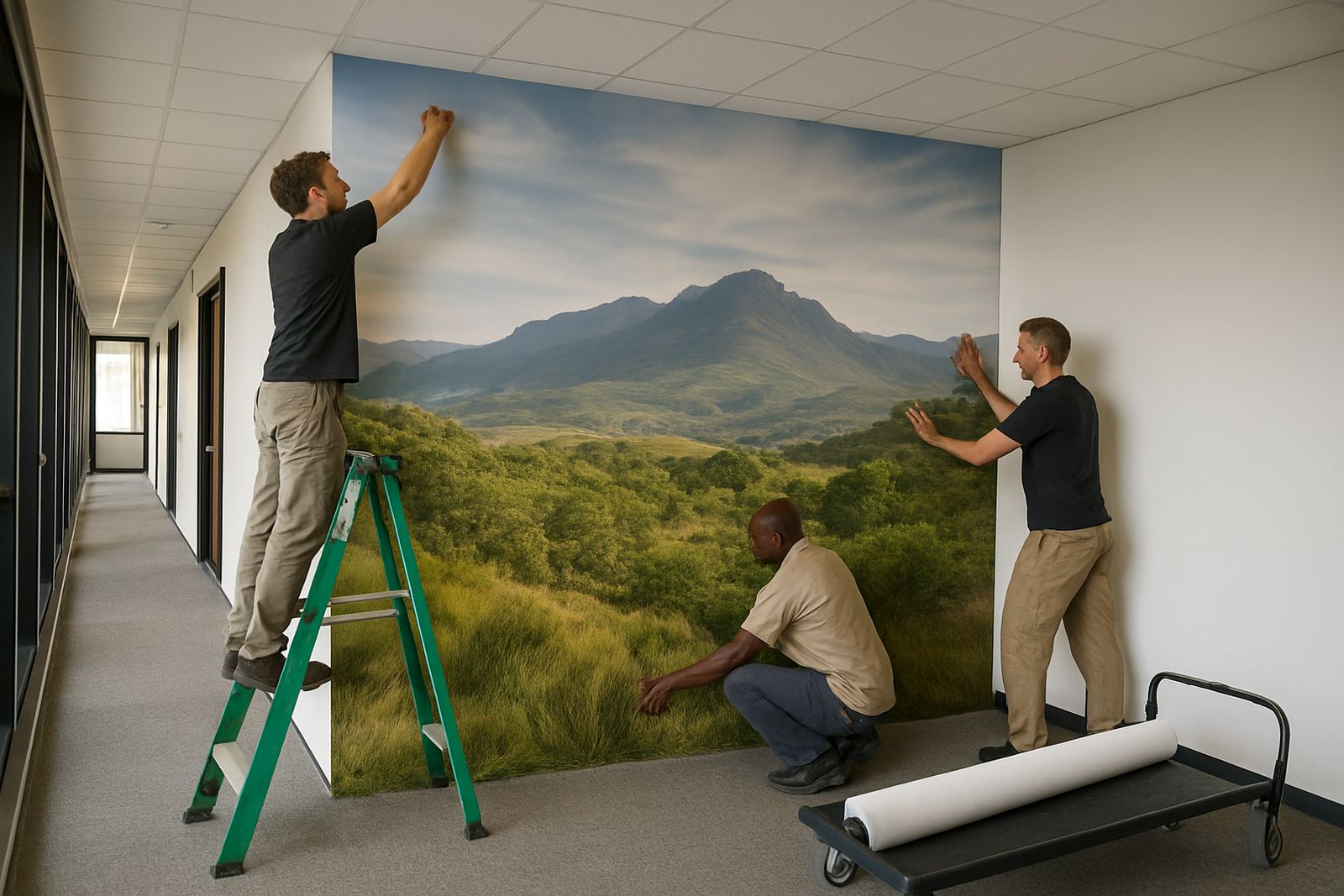
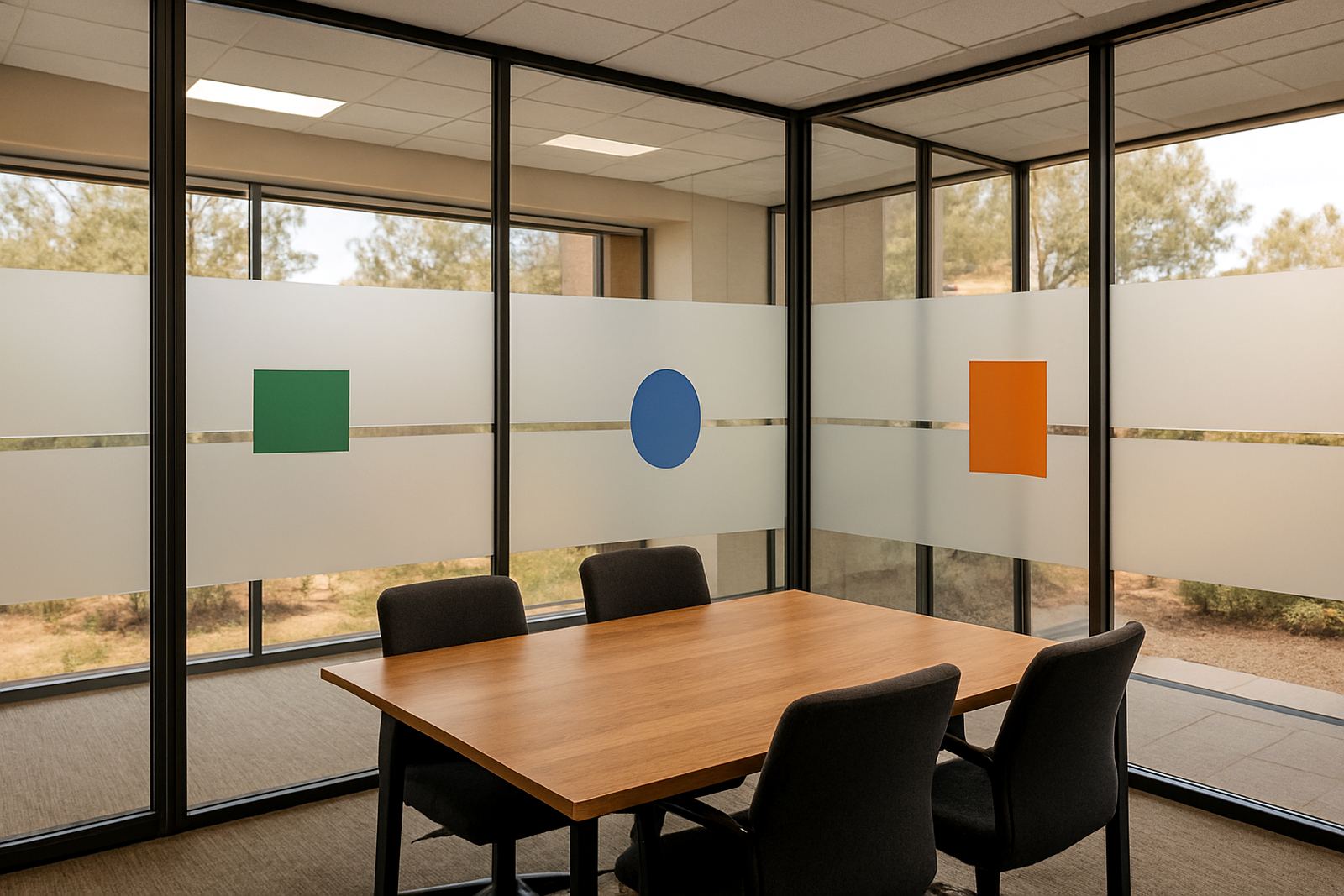
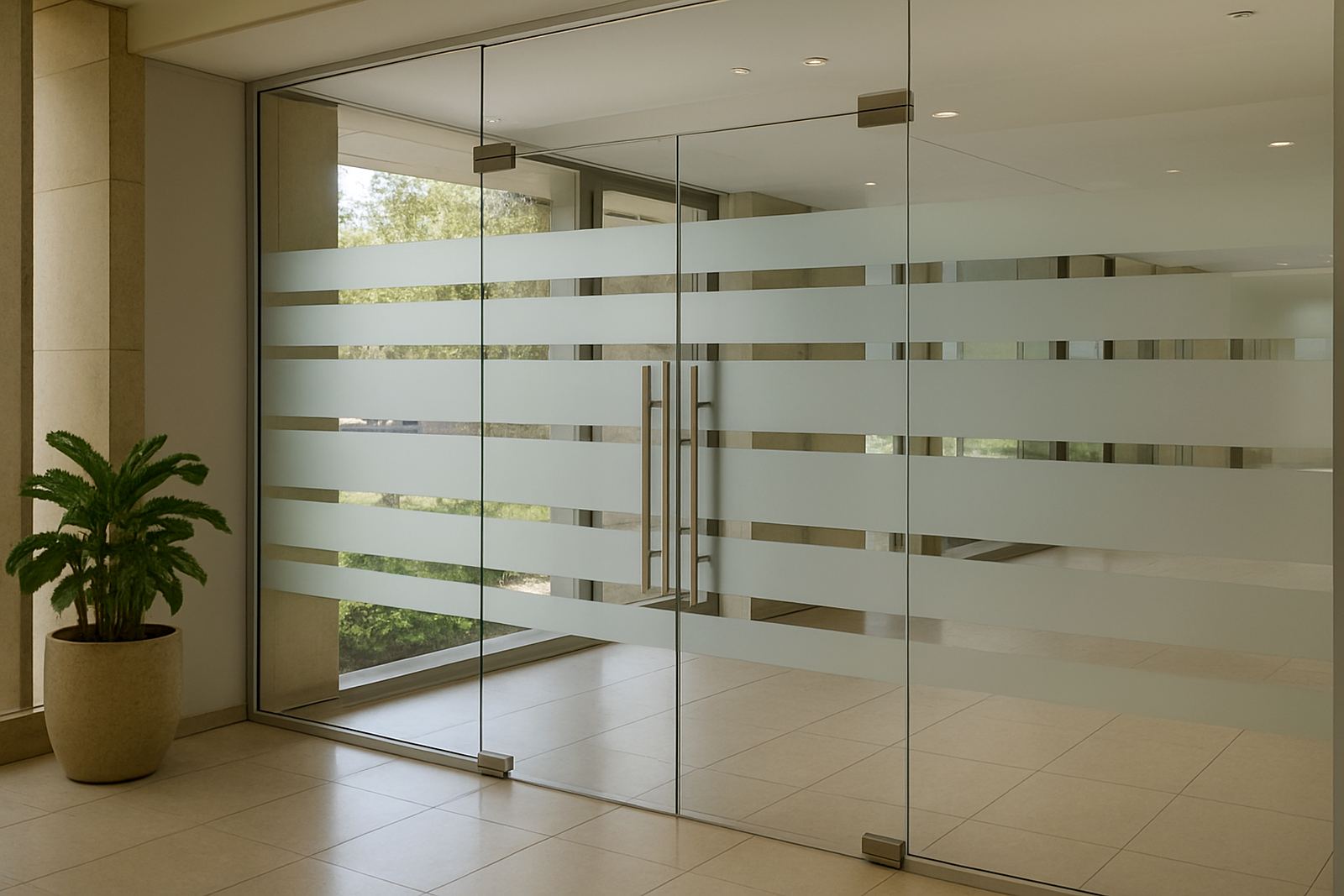
- Printed vinyl for short-term promotions, internal graphics and cost-conscious rollouts.
- Routered and built-up lettering for a sharper architectural finish.
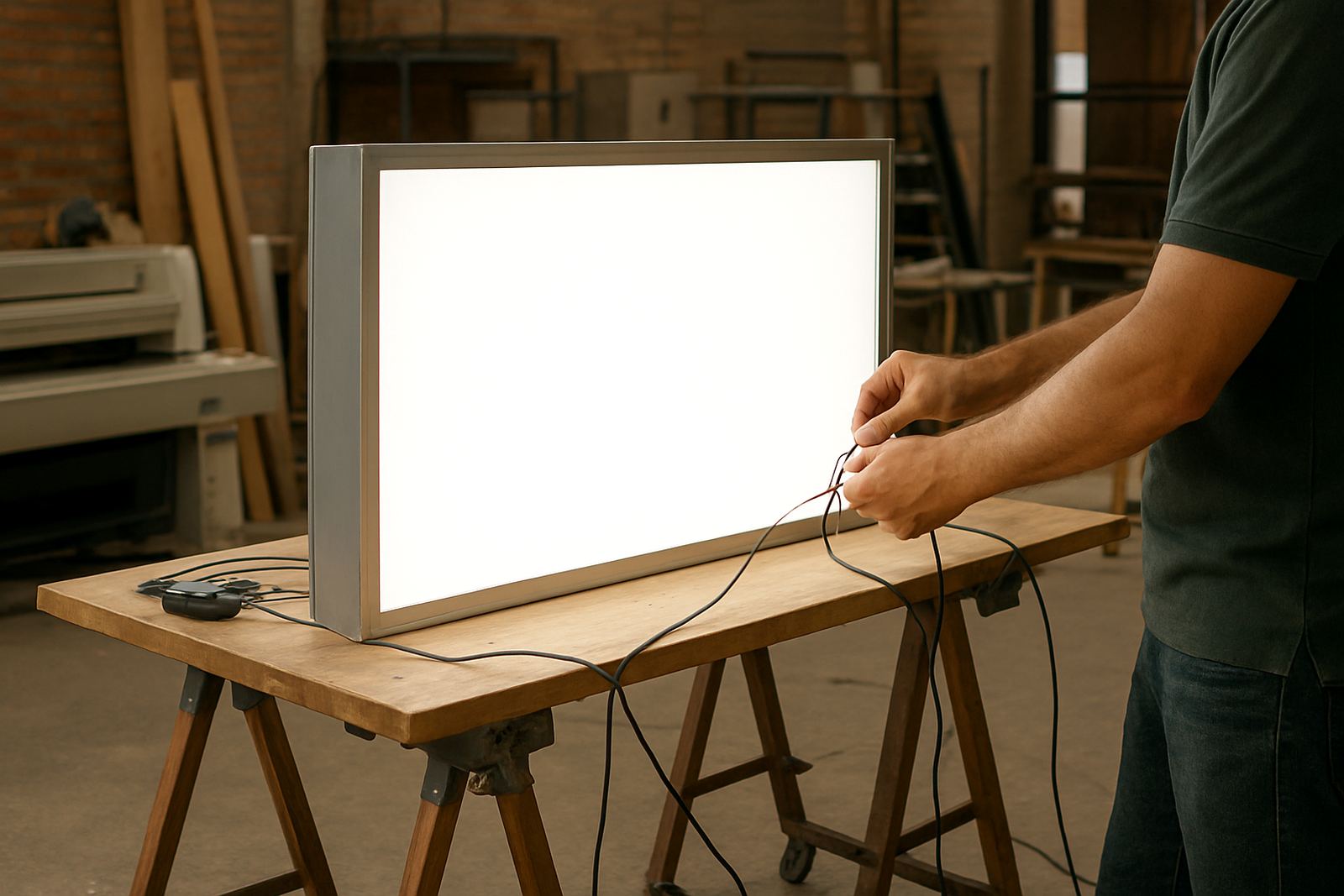
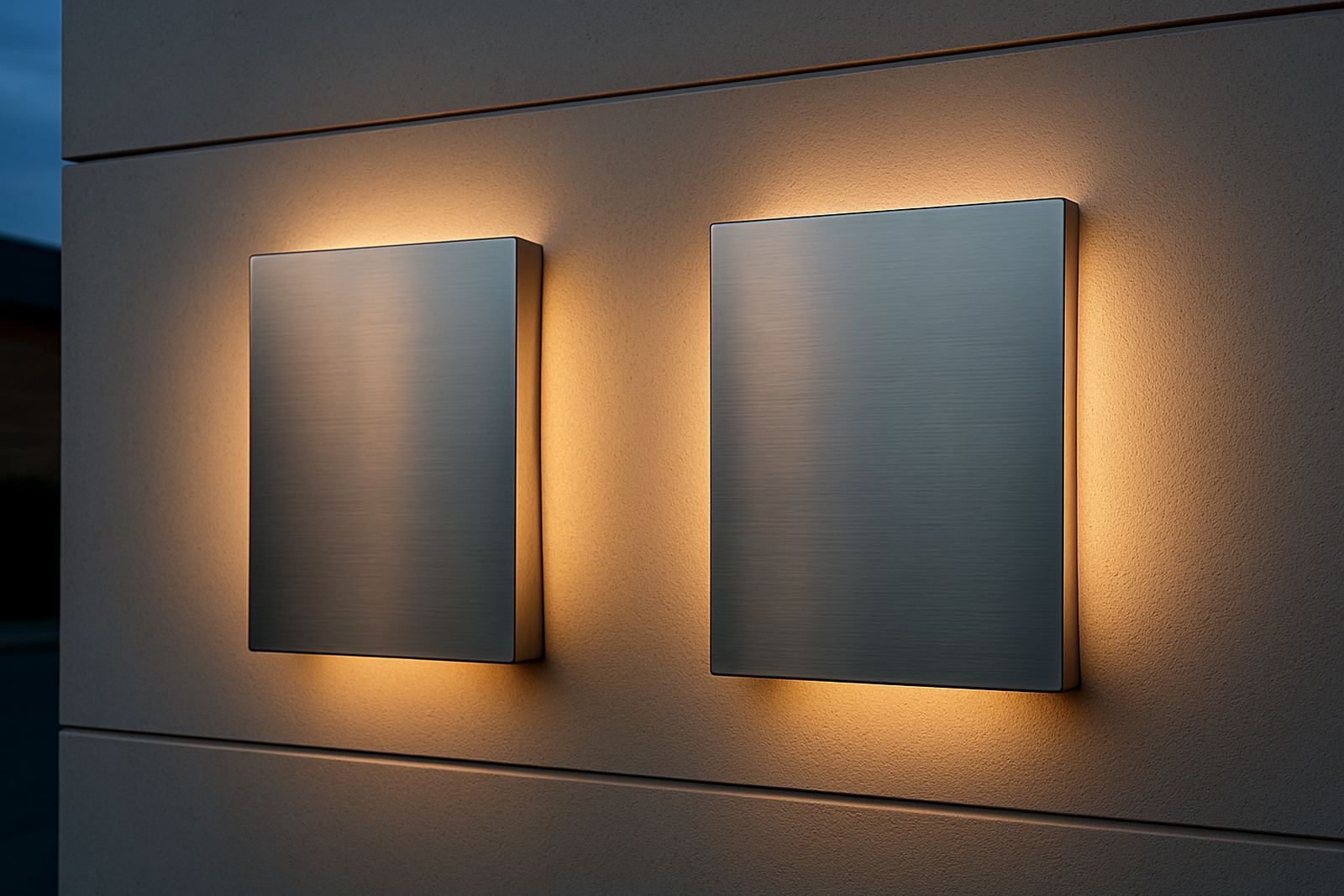
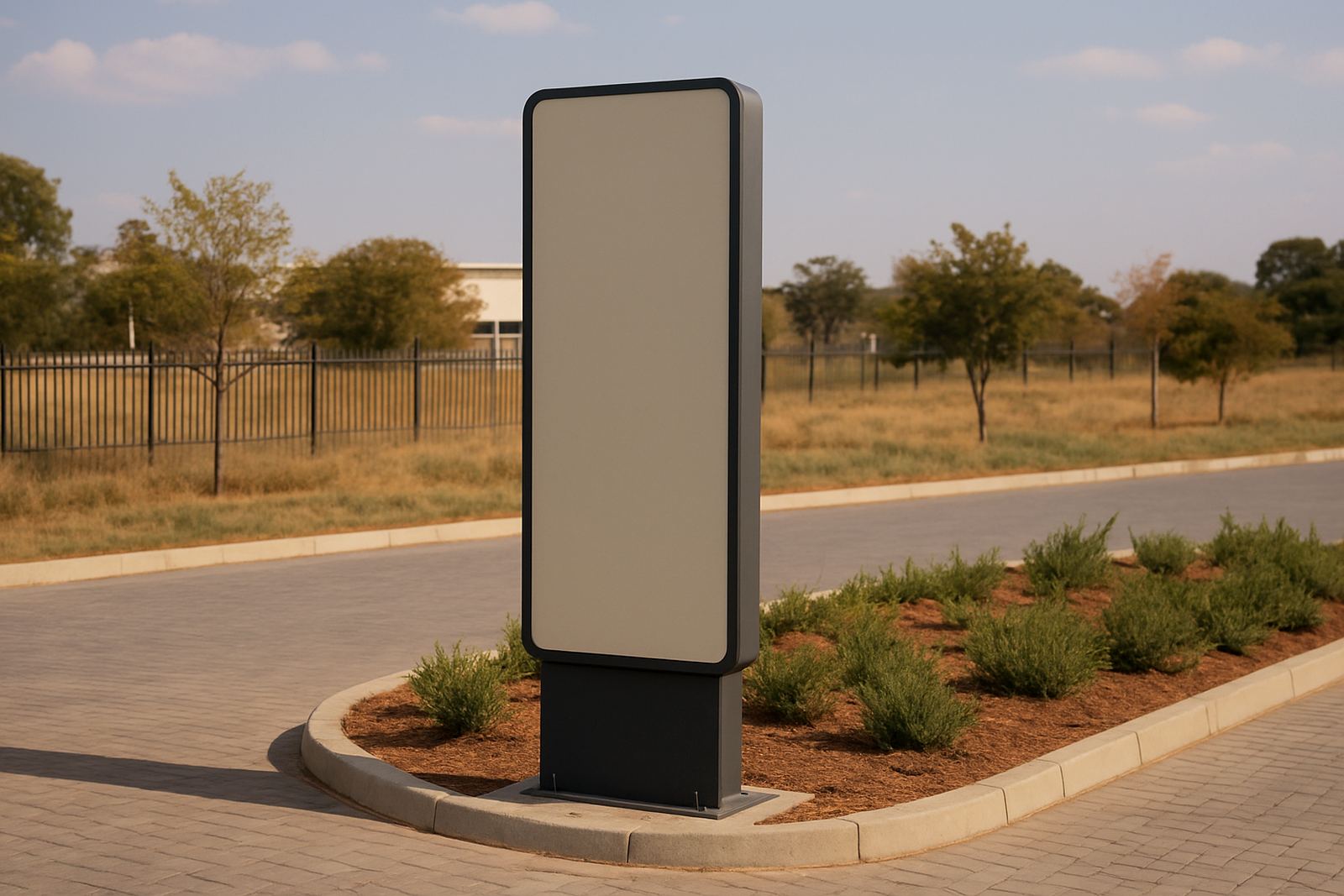
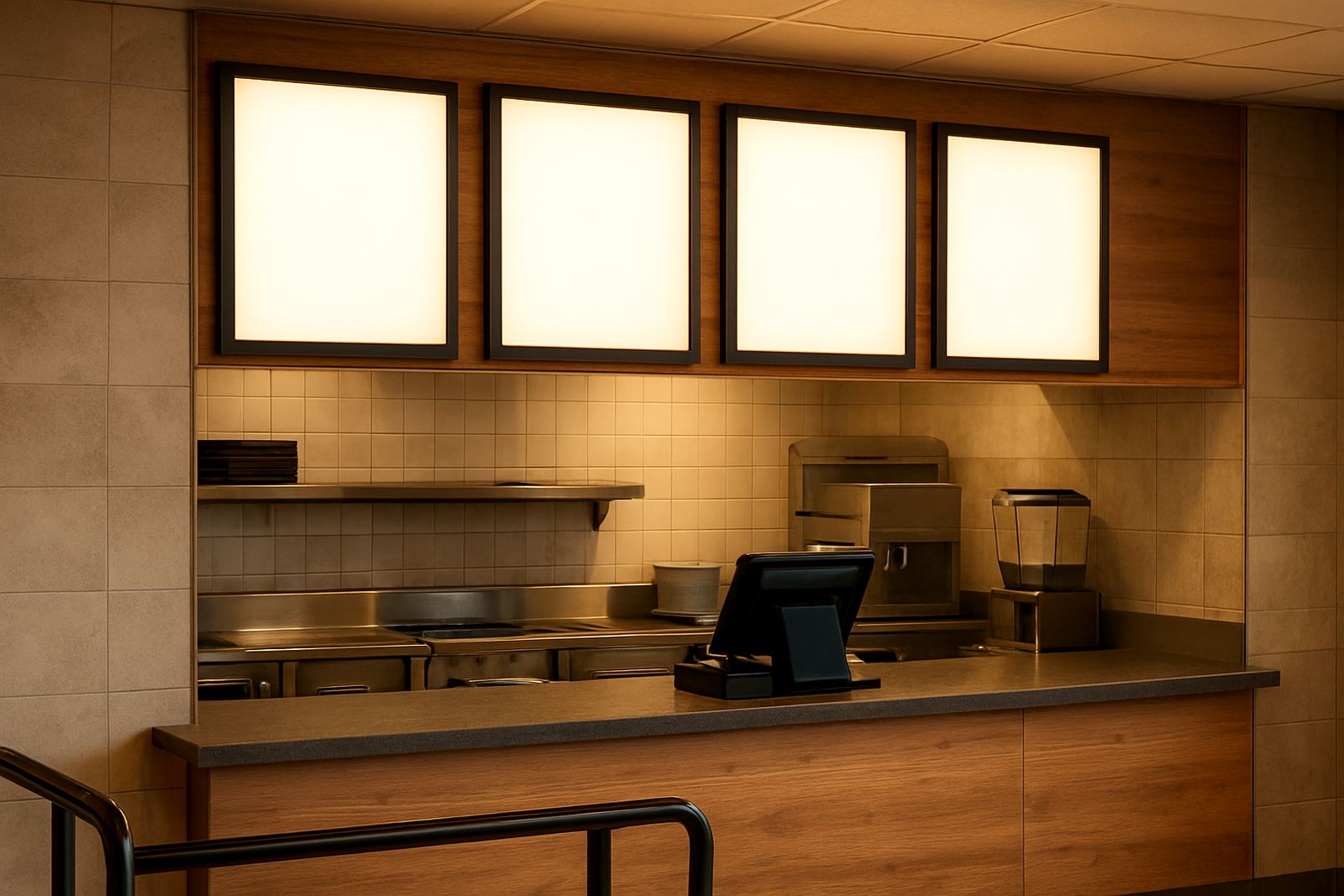
- Light boxes and illuminated faces for night visibility at entrances and roadside sites.
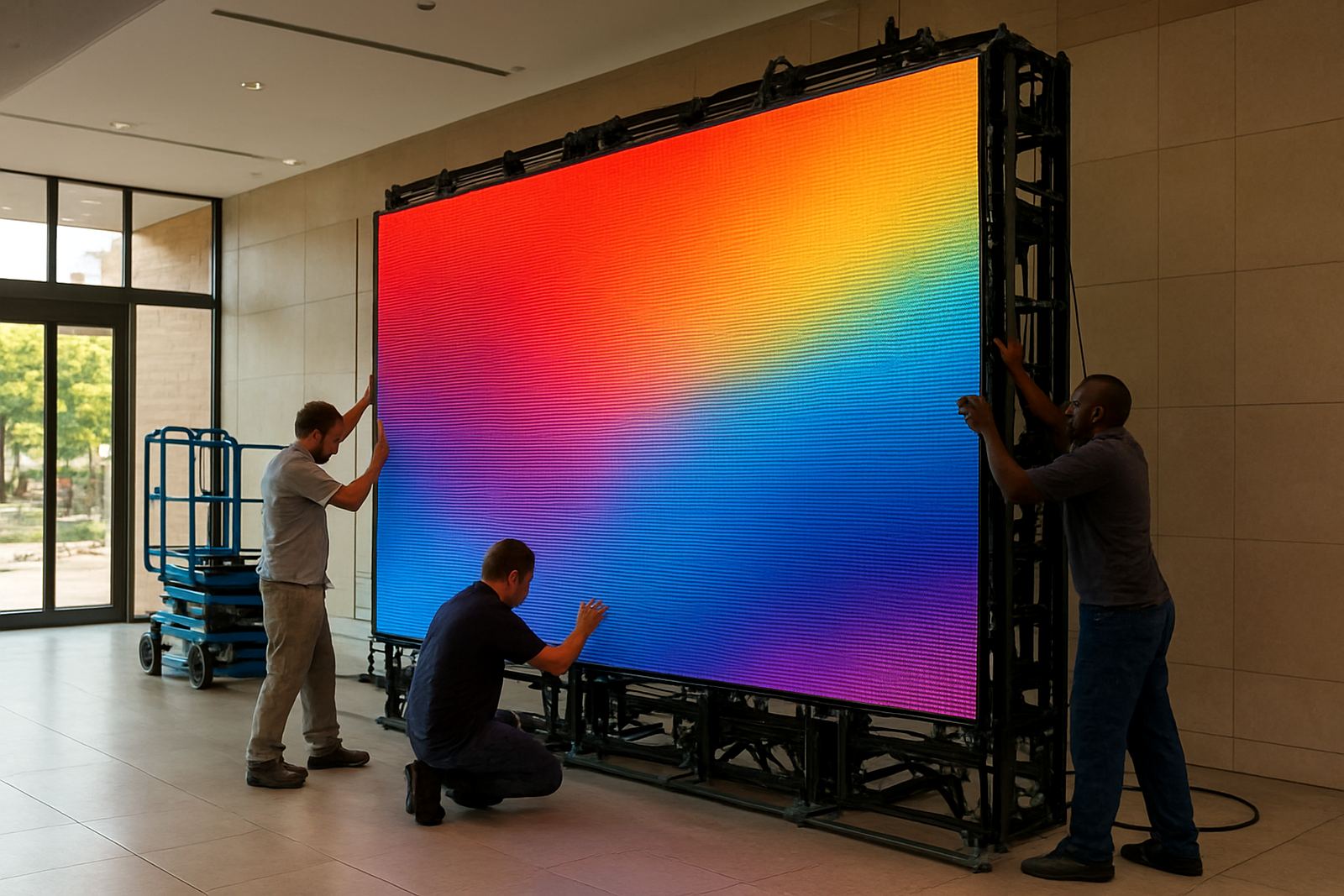
- LED screens for live messaging, launches, tenant updates and public information.
We advise on face size, letter depth, fixing method and finish so the sign reads clearly from the intended distance and age well in sun and rain.
Wayfinding that people can use without asking twice
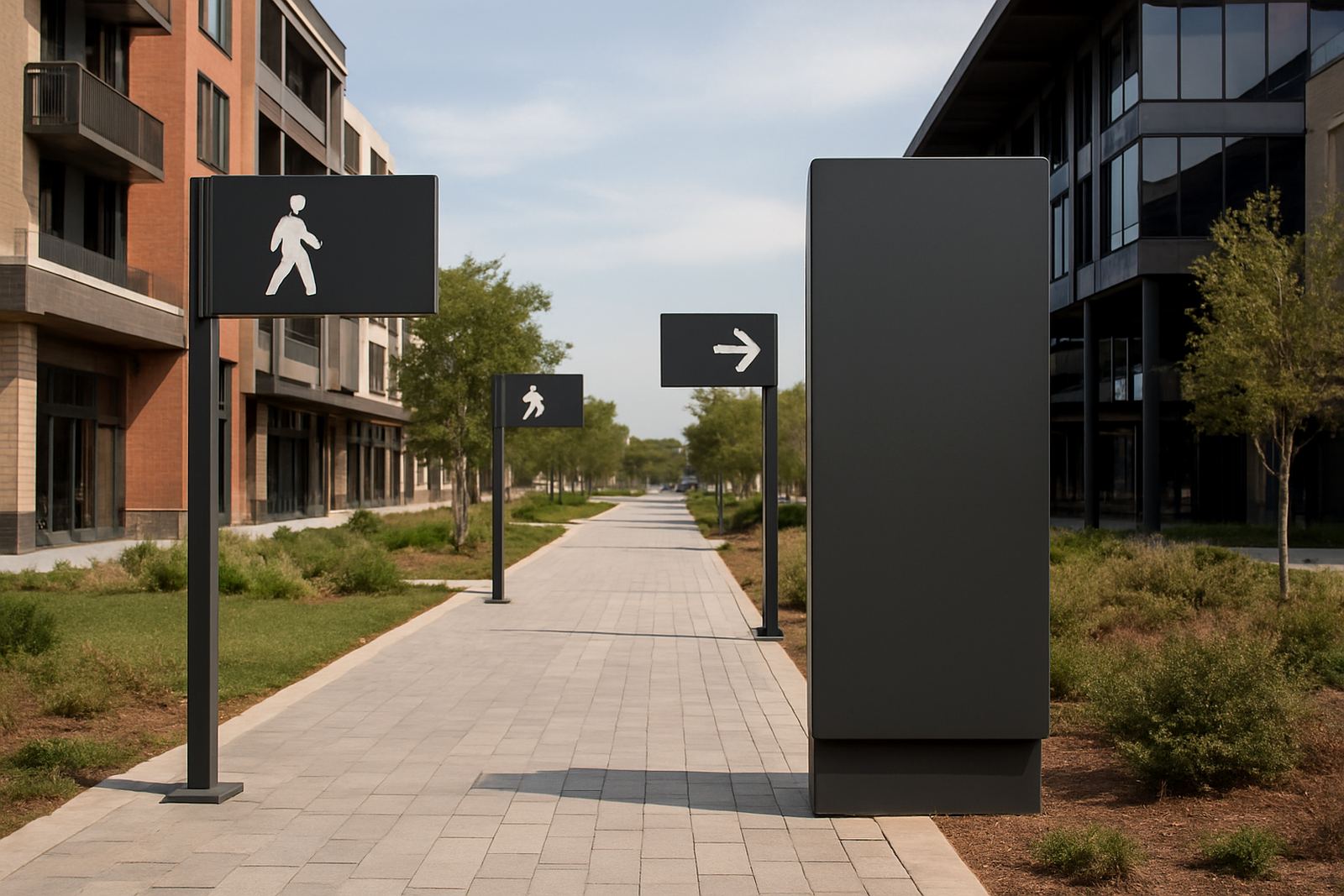
Good wayfinding reduces confusion, slows down bottlenecks and helps visitors move through a site without having to ask for help at every turn. That matters in office parks, hospitals, retail centres, residential estates and municipal developments where people arrive by foot, car or shuttle and need quick decisions.
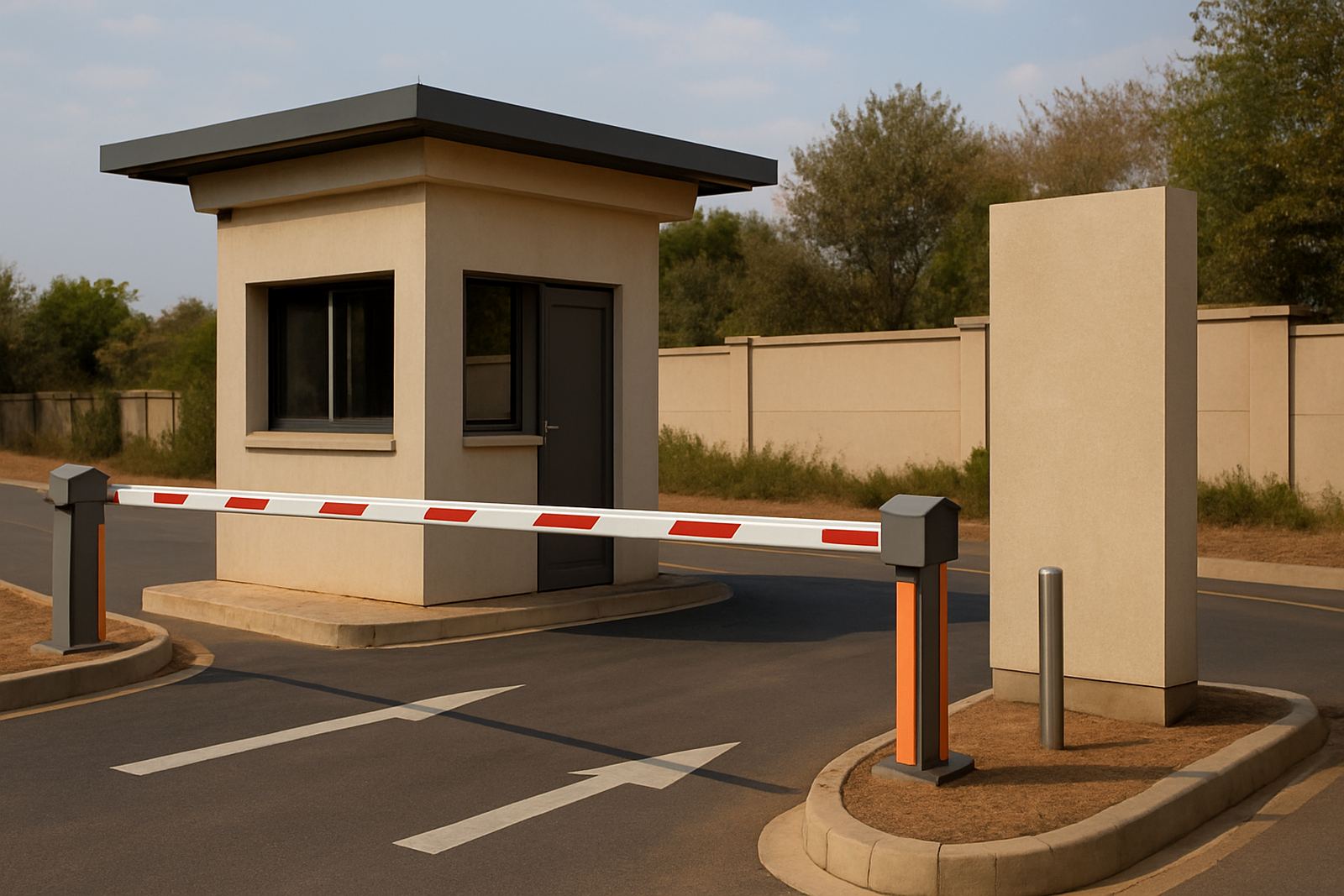
We plan the sign sequence from the gate to the final destination, including parking, pedestrian routes, entrances, lifts, service areas and emergency exits. The aim is simple: make the next step obvious, even for someone visiting the site for the first time.
- Site surveys to map existing signs and problem points.
- Wayfinding plans for vehicle and pedestrian movement.
- Approval support for municipal and estate requirements.
- Project handover with practical maintenance notes.
Structural coordination for safe, durable installation
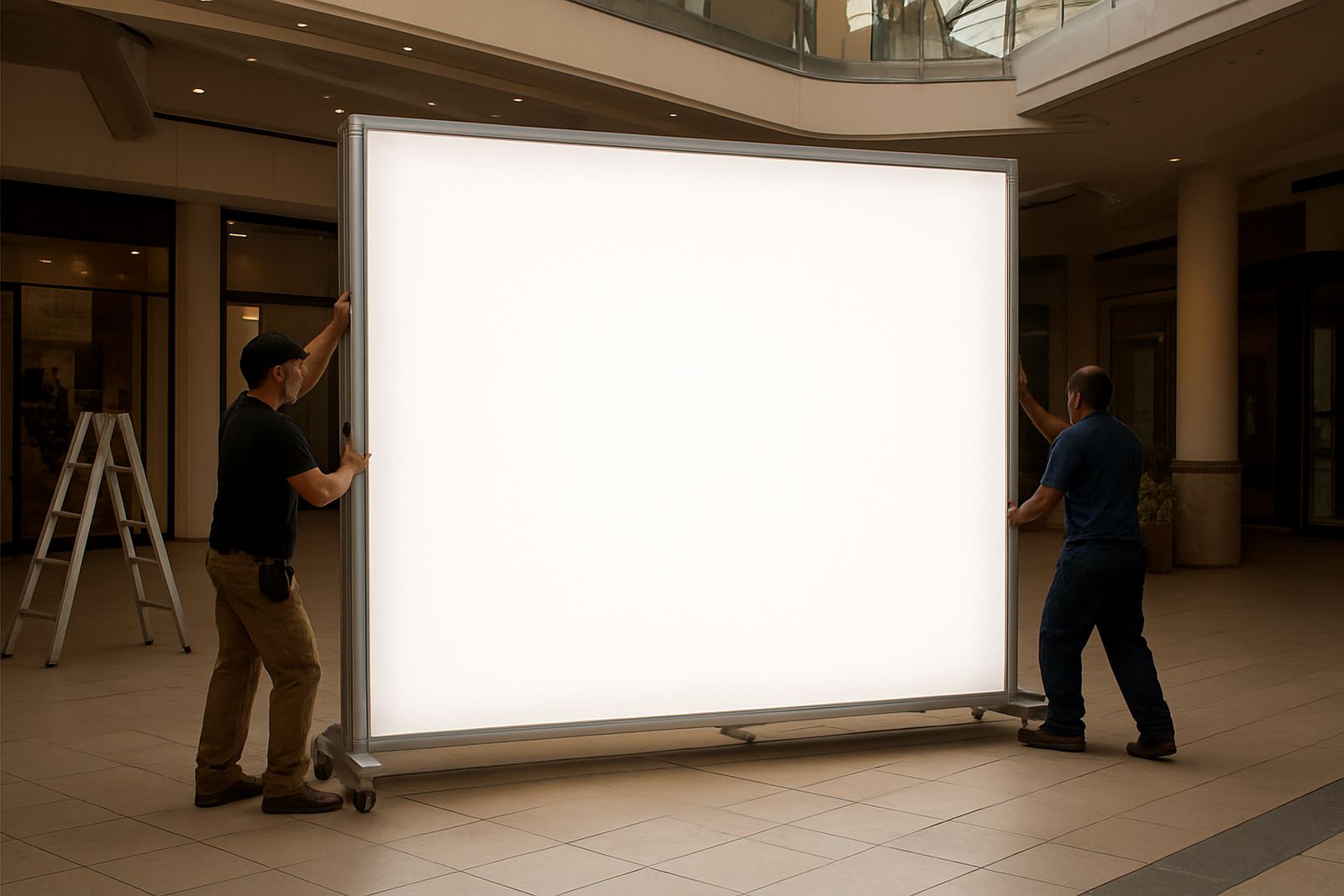
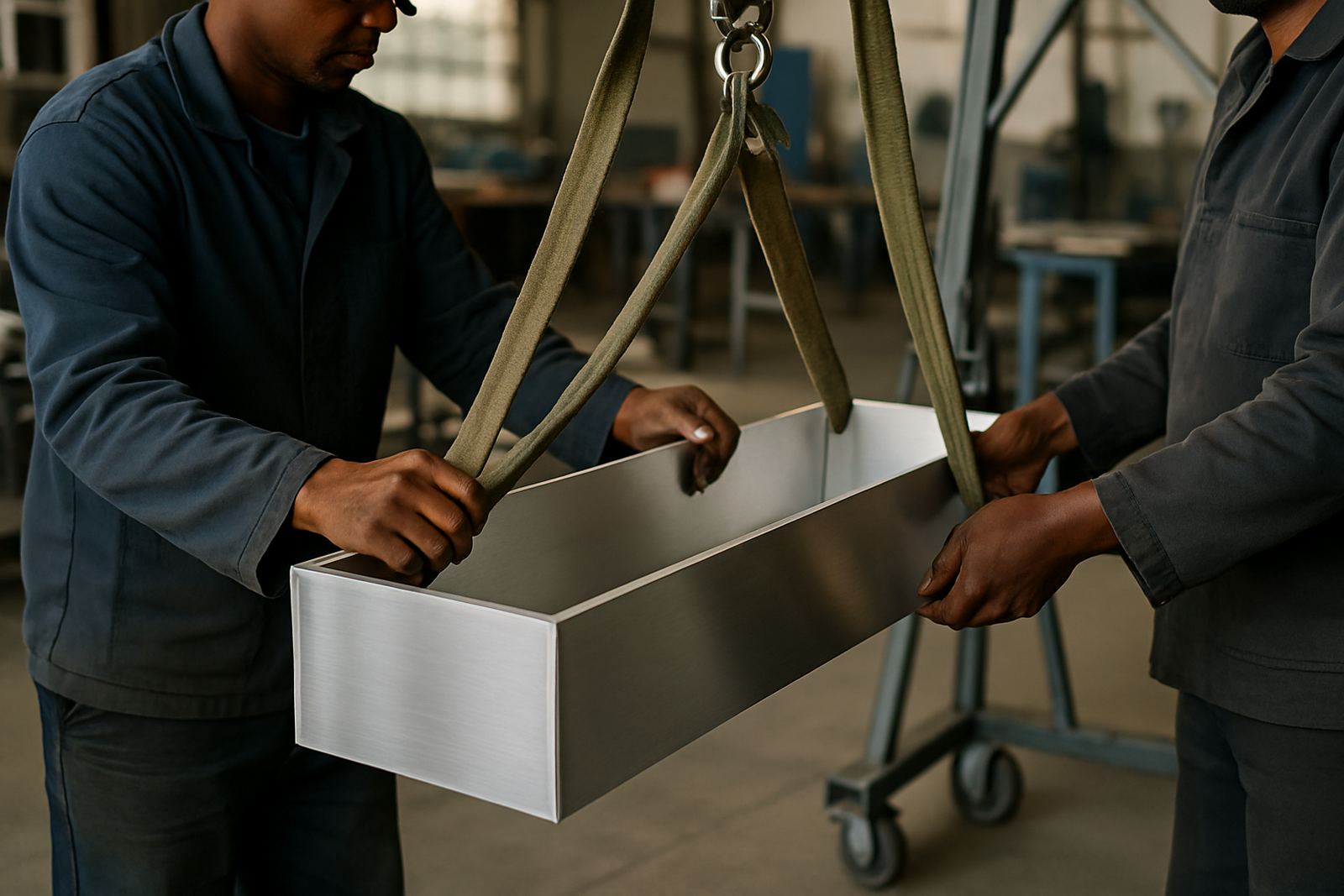
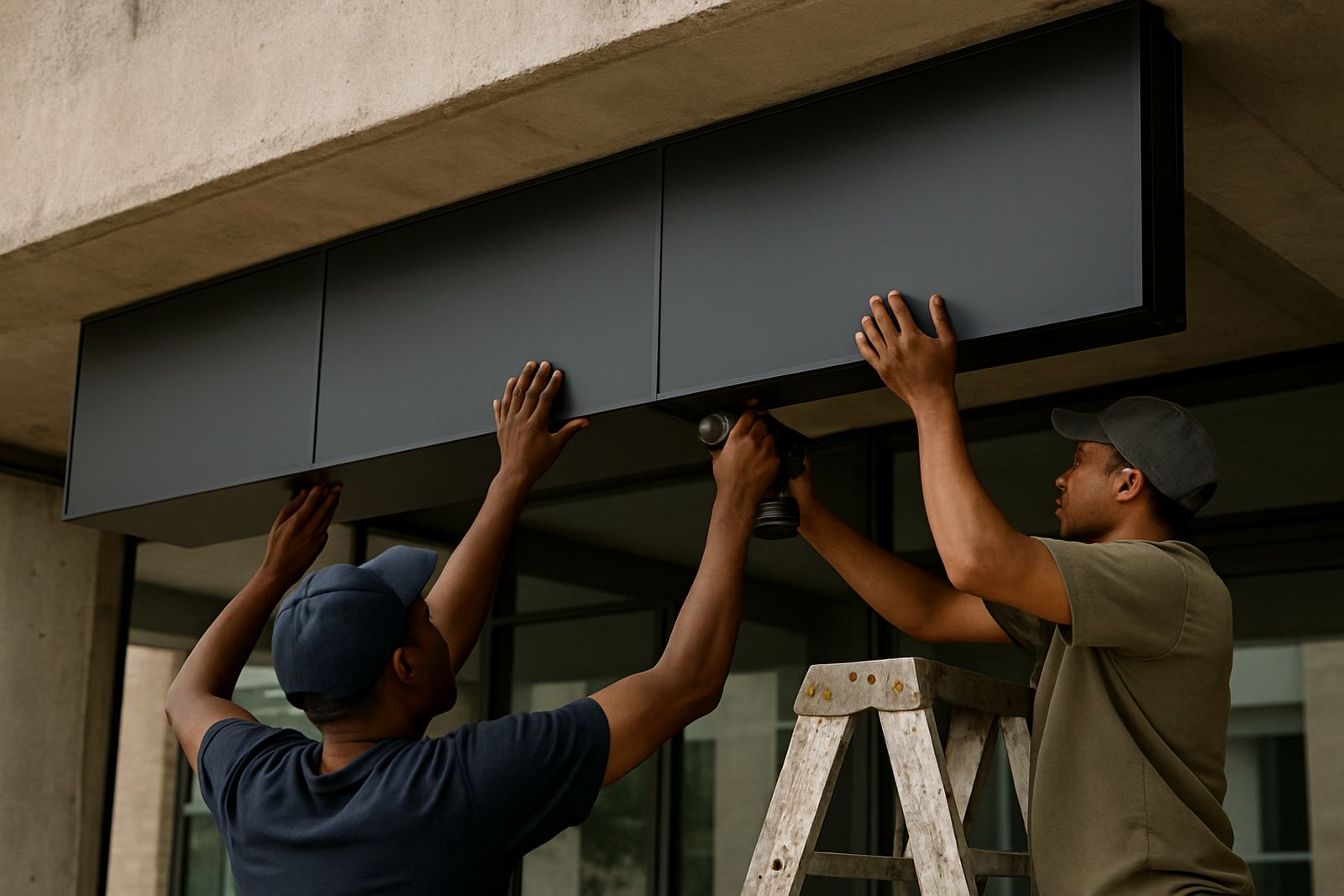
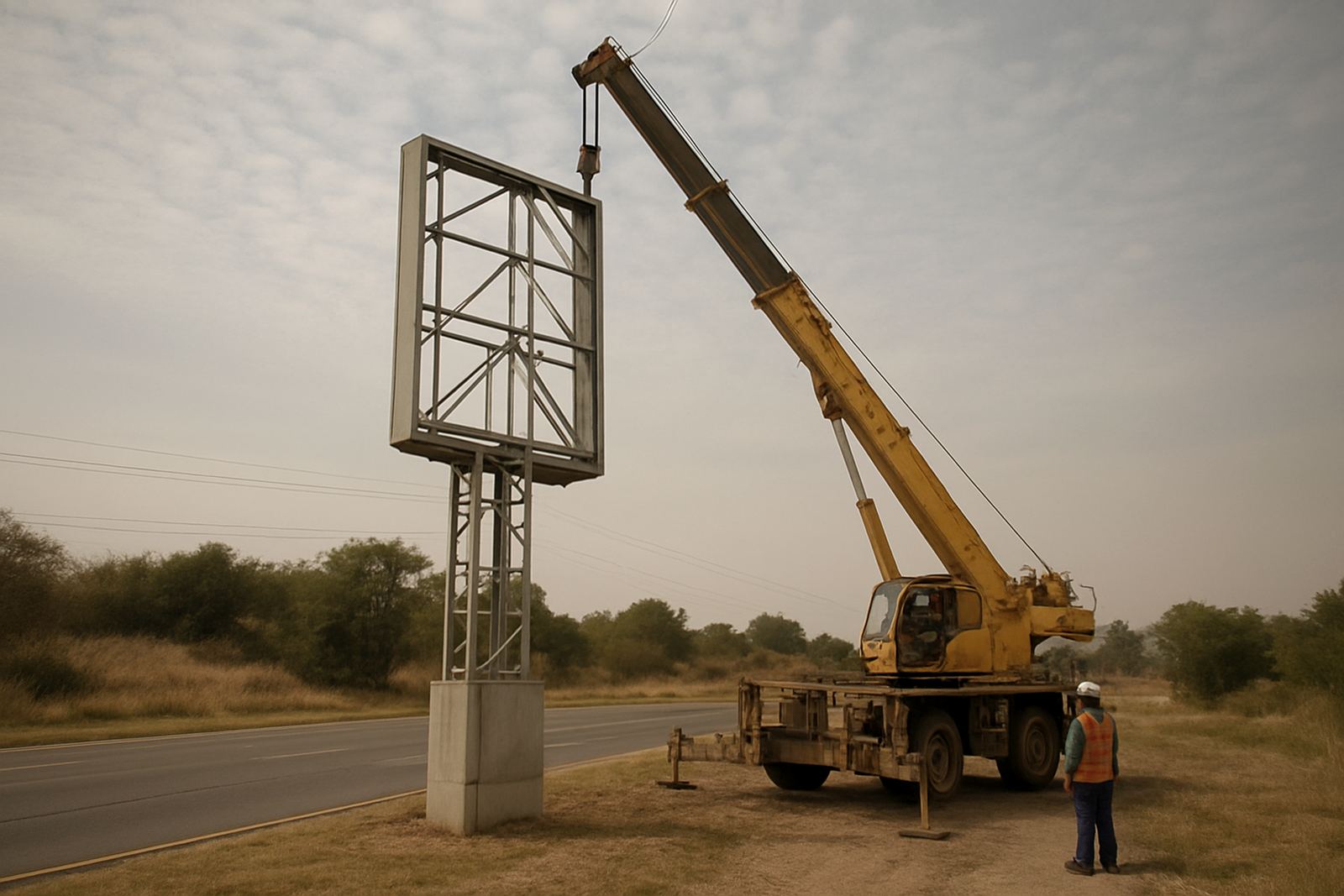
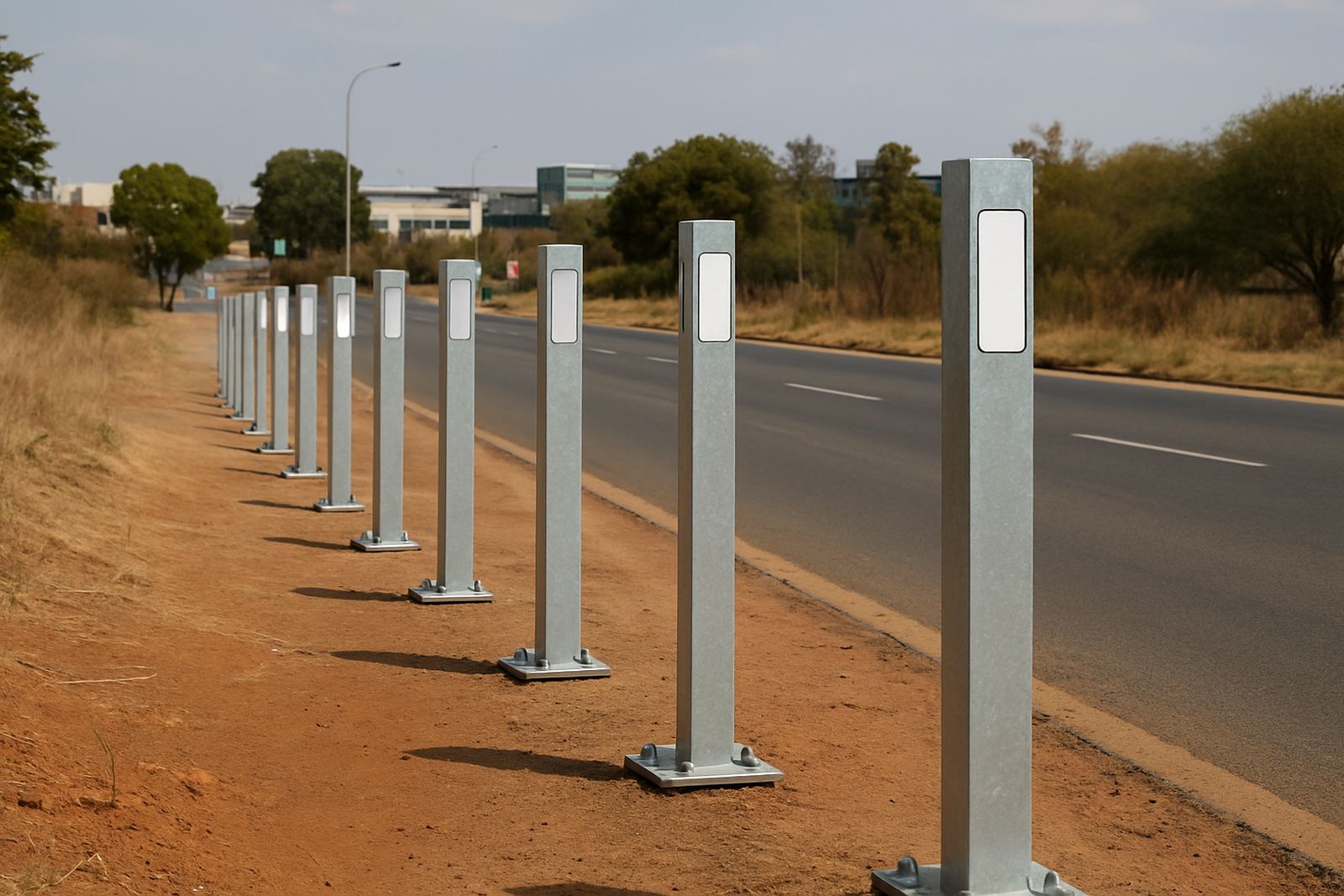
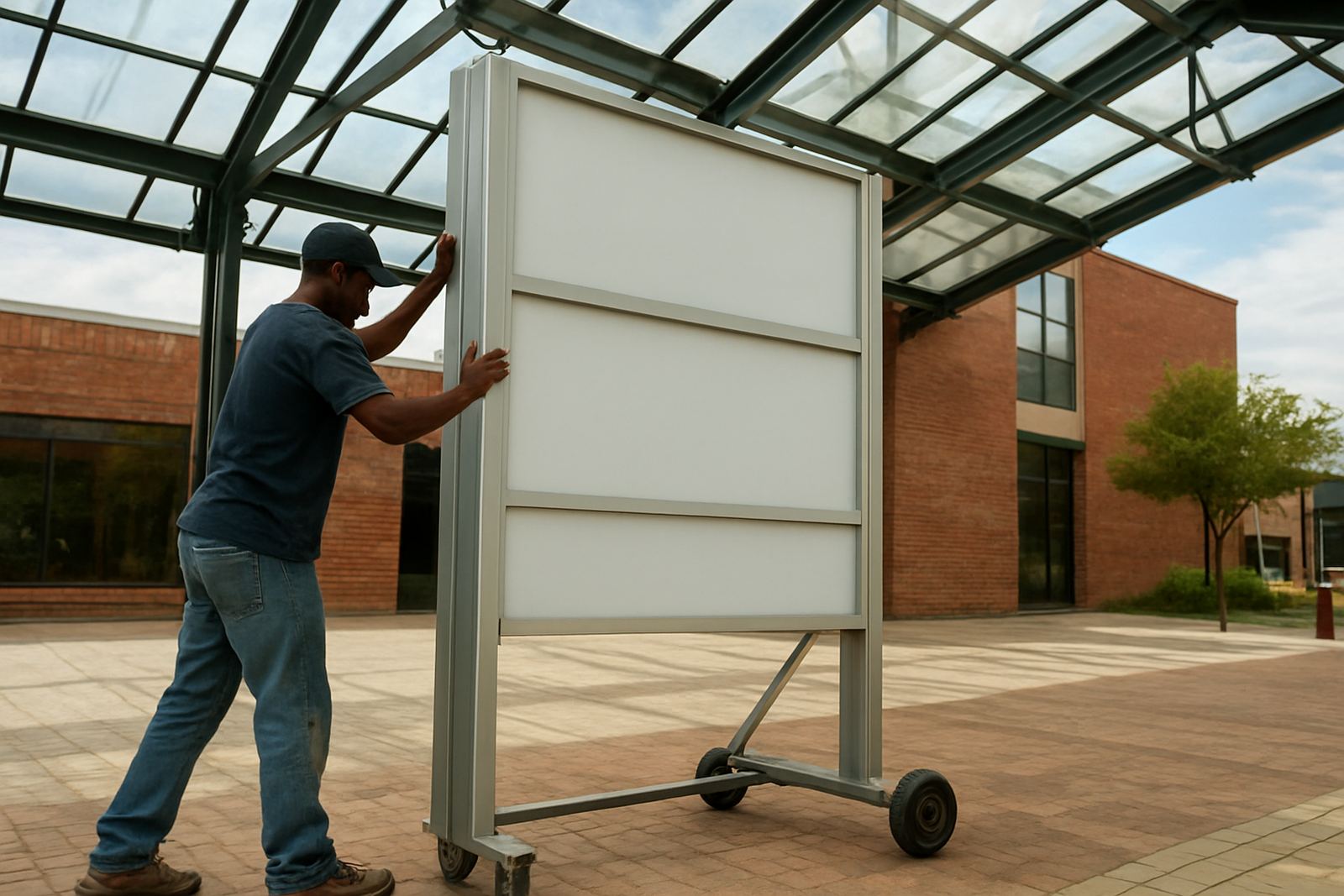
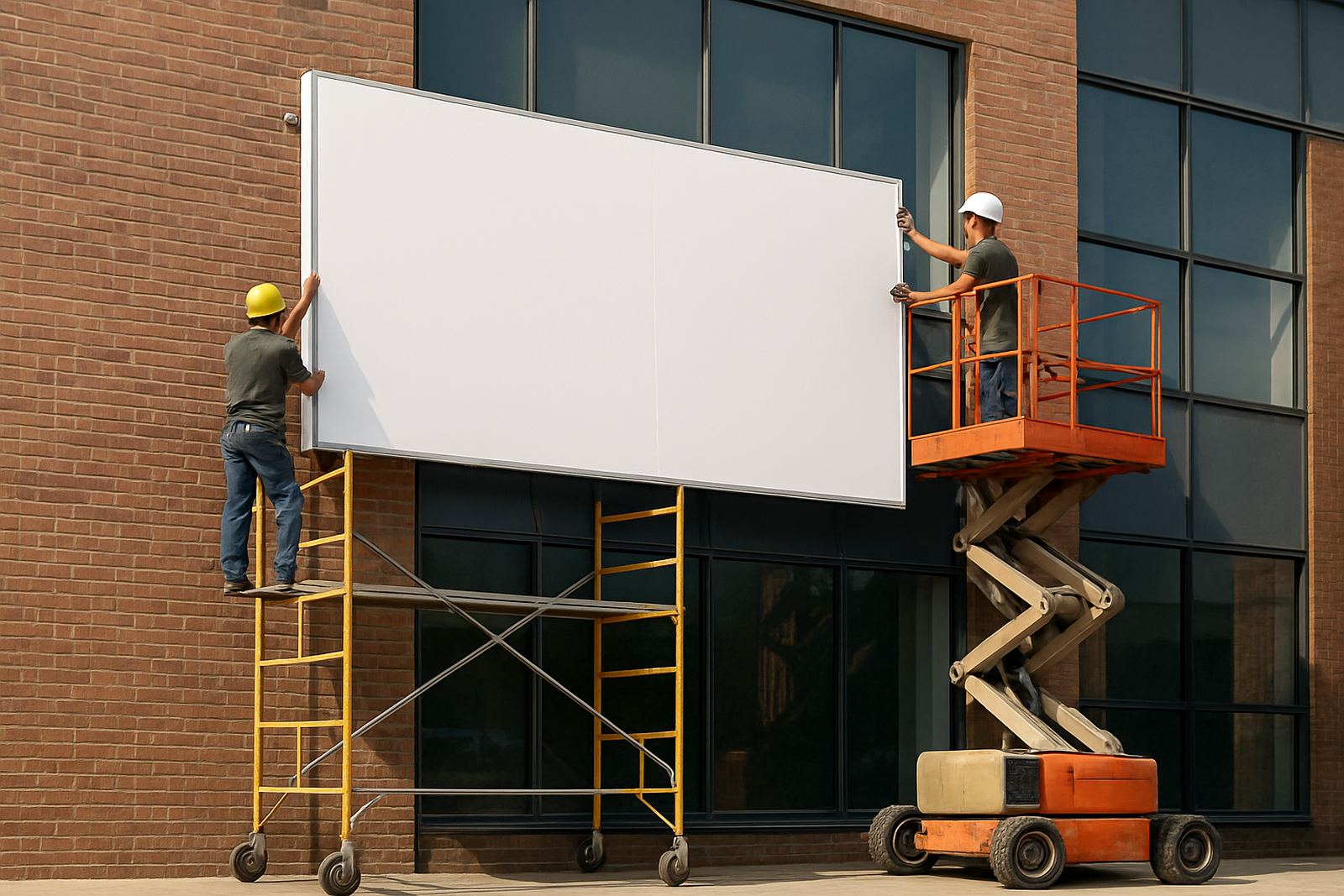
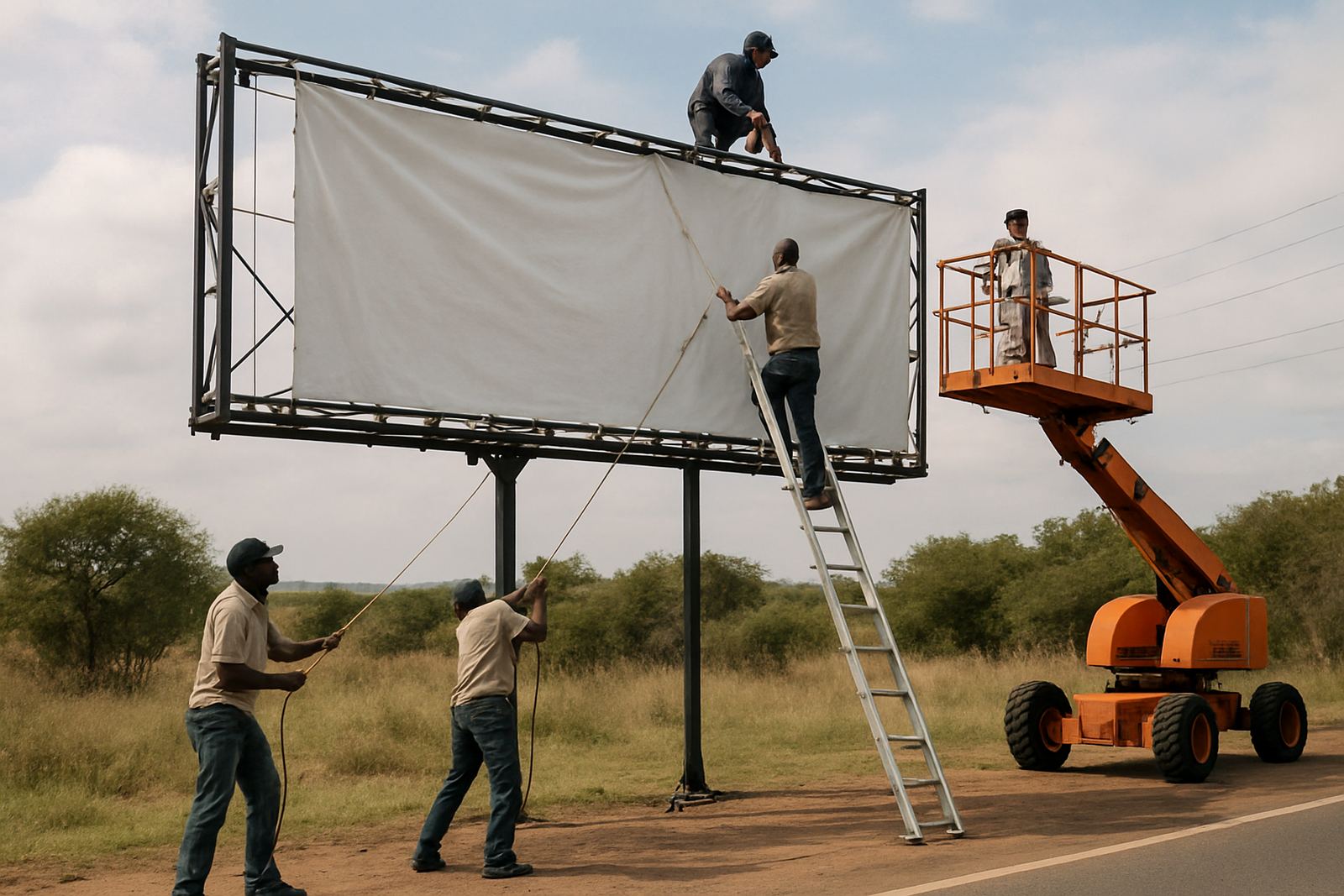
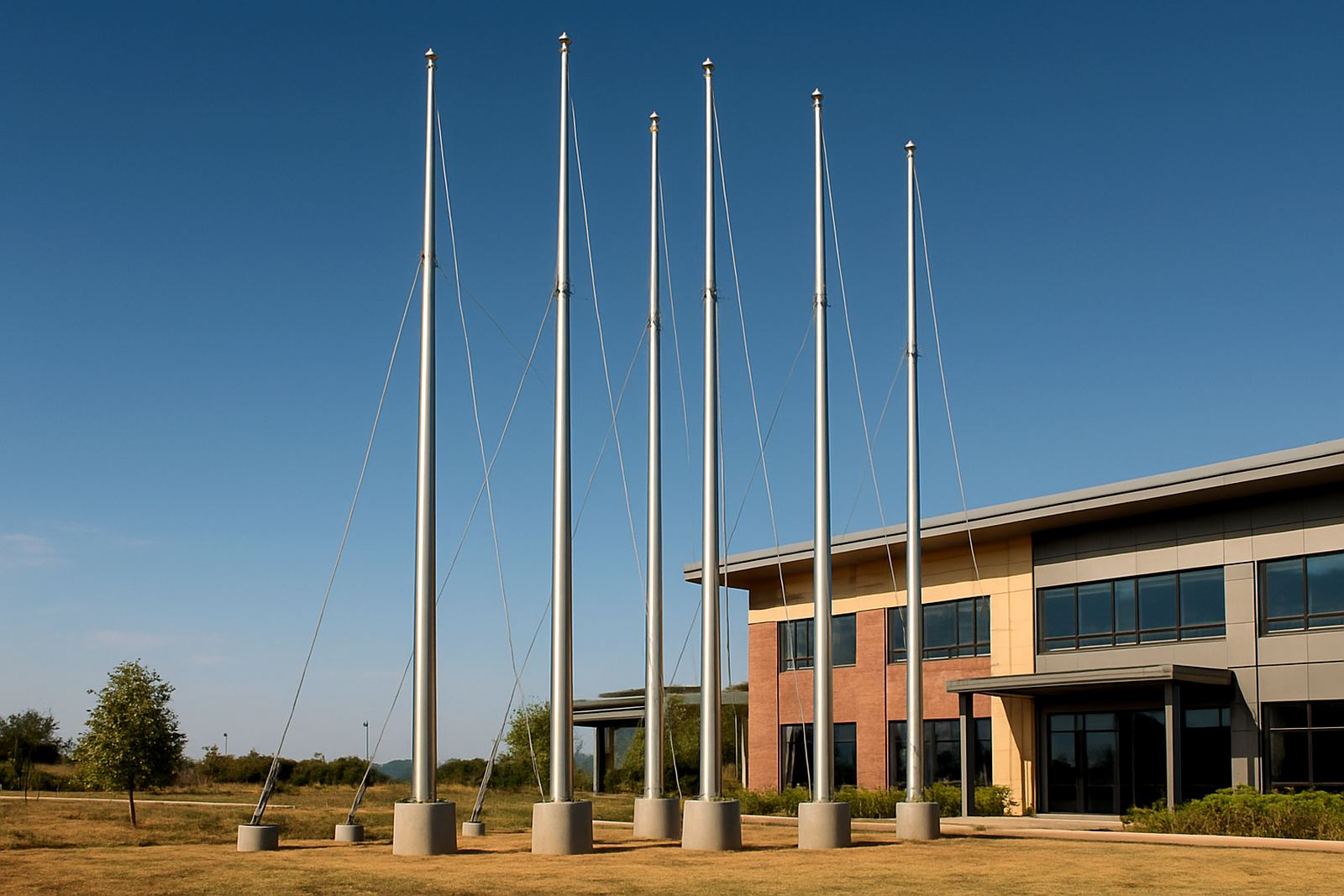
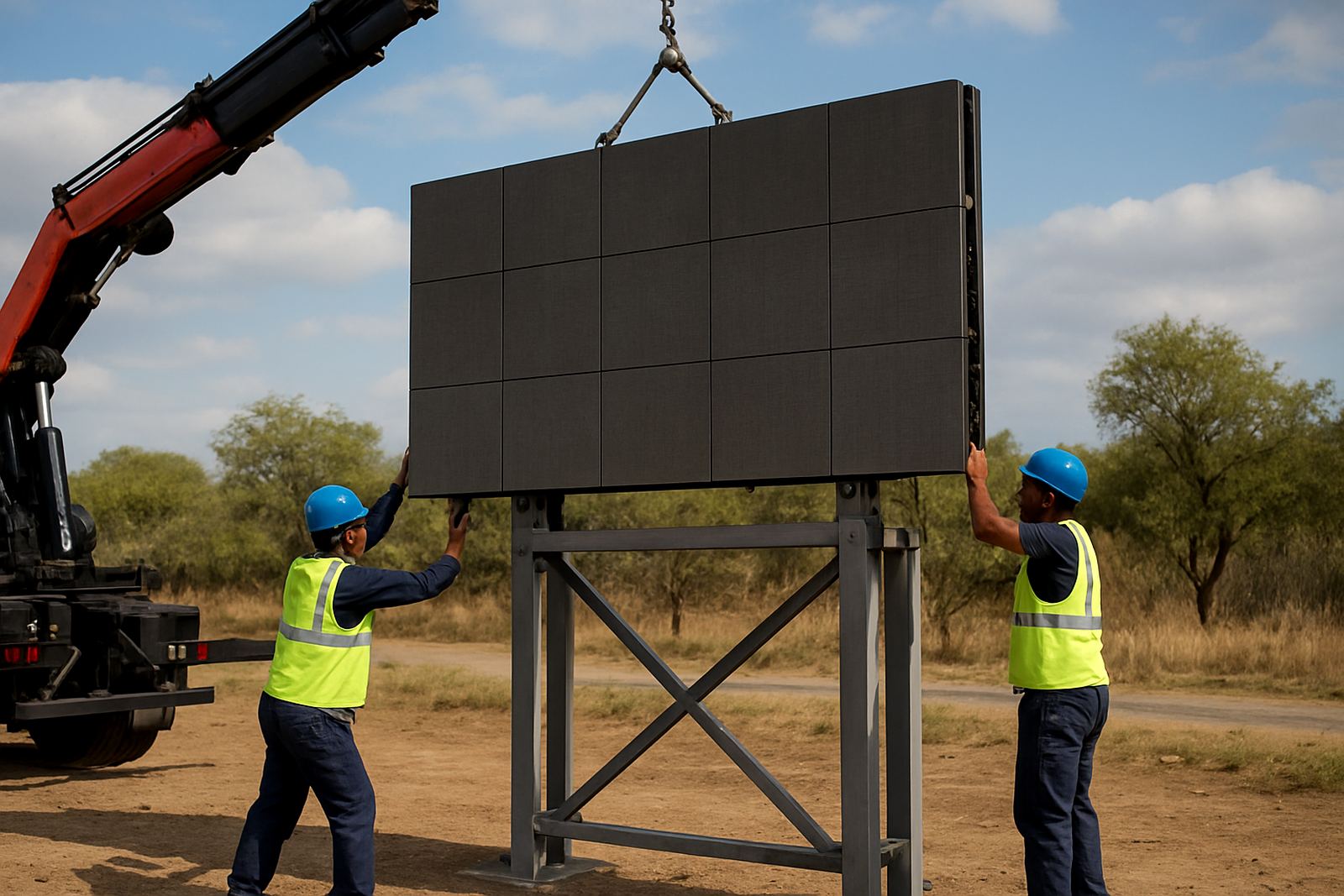
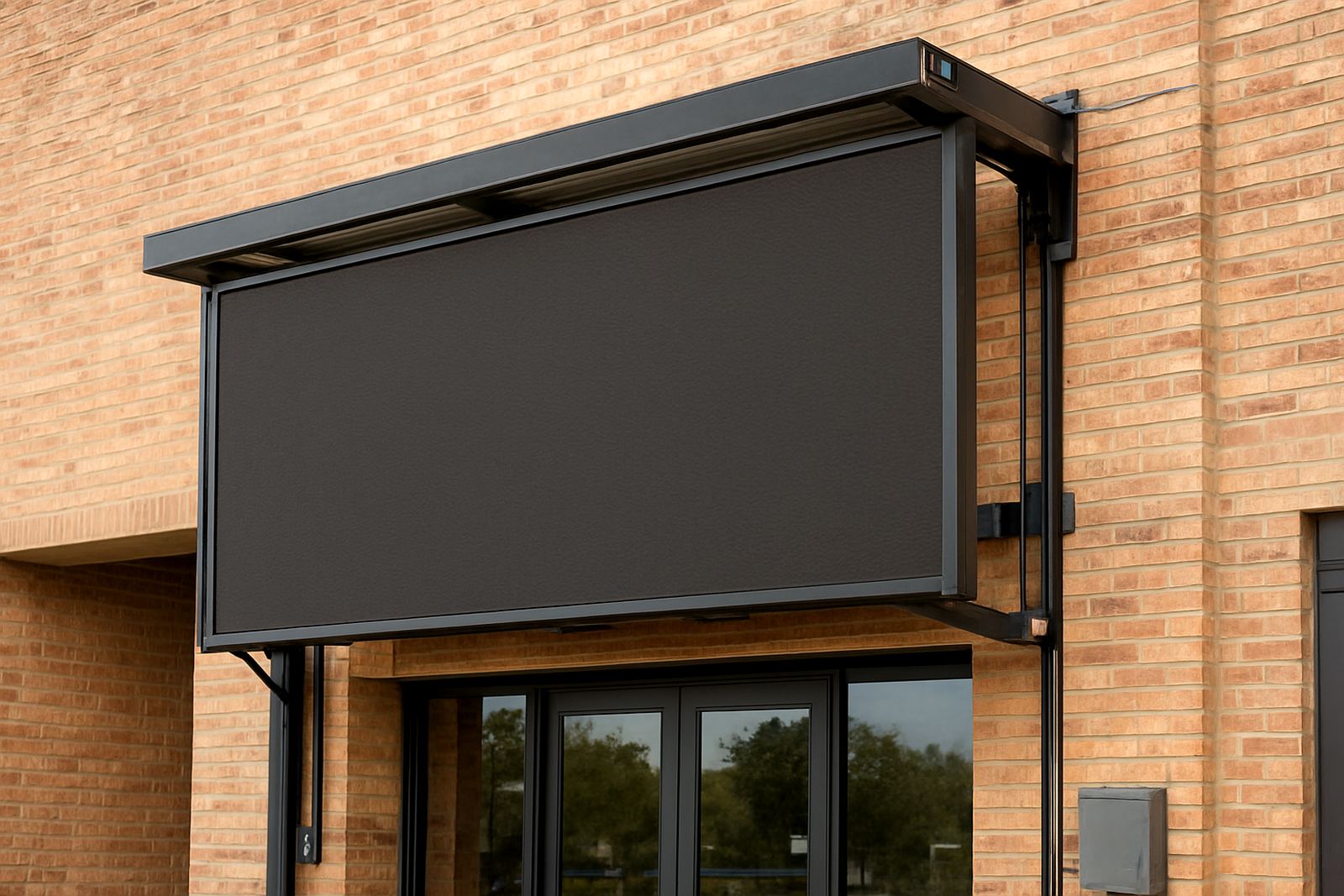
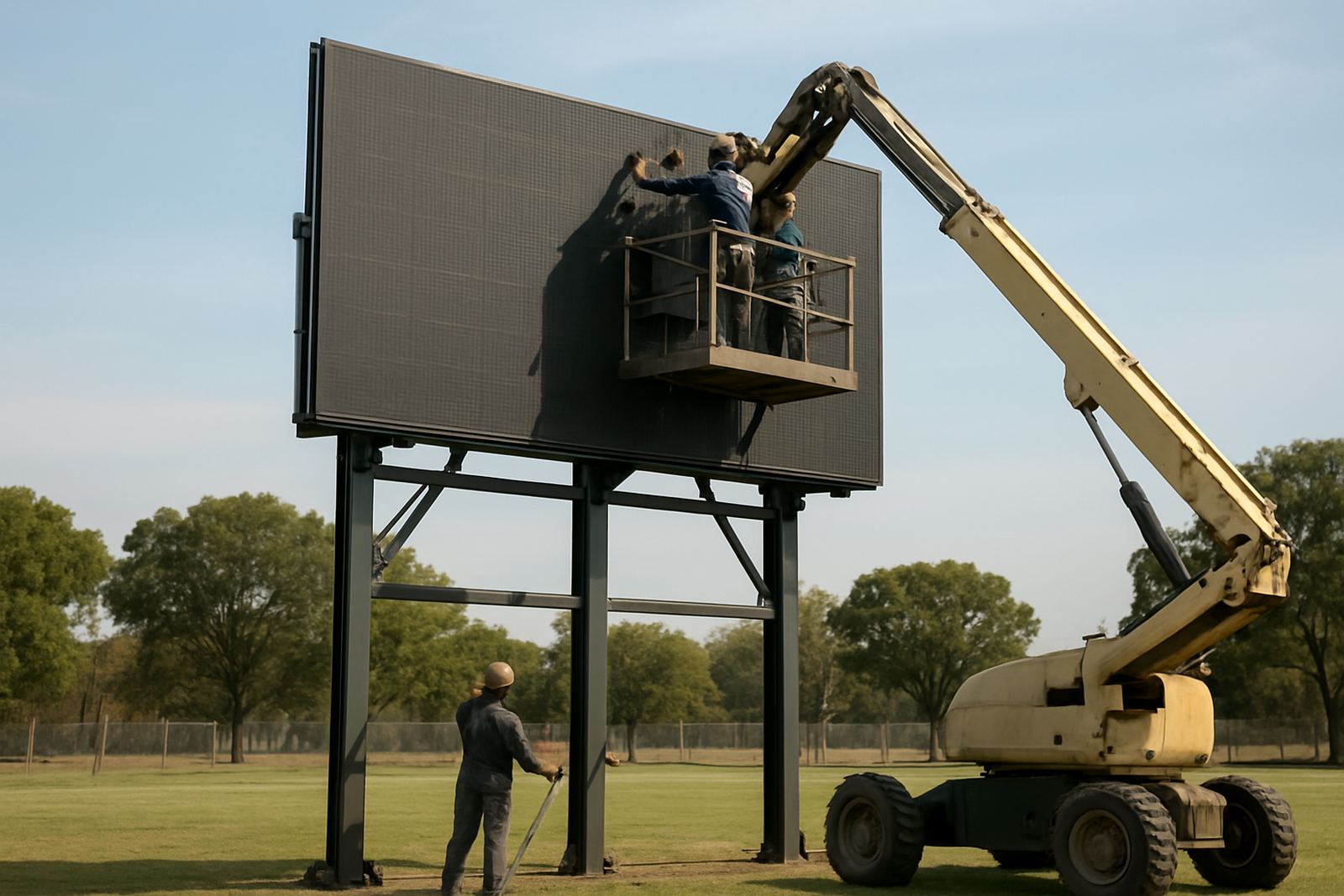
Large signs need more than a good drawing. They need structural coordination, correct footing detail and proper fixing methods so they can deal with wind, vibration and long-term exposure. That applies to roadside pylons, high-level fascia signs, rooftop elements and free-standing frames for digital screens.
We work through the support structure, access method and installation sequence before fabrication starts, which helps avoid delays on site and reduces rework. Our team also plans for future servicing so components can be reached without unnecessary disruption to the tenant or the public.
LED screen integration and digital display planning
LED screens are useful where the message changes often or where visibility at a distance matters. They suit shopping centres, transport interchanges, property developments, public information points and branded forecourts.
We specify screen placement, viewing angle, content format and support requirements, then align the screen with the surrounding signage so the whole frontage still feels orderly. Power, heat management and access for maintenance are considered early, especially on sites where load-shedding and municipal supply constraints can affect uptime.
- Screen size matched to viewing distance and traffic speed.
- Content integration with static branding and directional signs.
- Maintenance planning for modules, power supplies and cabinets.
- Signoff on mounting and service access before fabrication.
Project delivery across Gauteng and the rest of Africa
From Modderfontein we support projects in Sandton, Randburg, Germiston, Pretoria, Centurion, Midrand and Durban, as well as sites further afield across Africa. The work may involve one sign or a full rollout across multiple branches, developments or municipal locations.
Our process covers signage strategy, site surveys, design development, material specification, fabrication management, installation management and handover. We are set up to deal with the practical issues that matter on site, including access restrictions, weather windows, local approval steps and the need to keep trading areas open while work is being done.
When the brief needs more than a standard sign
Some sites need a straightforward fascia. Others need a coordinated system that includes brand signage, wayfinding, safety signs, illuminated elements and digital messaging all at once. That is where a consulting approach helps, because the choices made at the start affect cost, durability and how easy the site will be to run later.
If you are planning a new development, upgrading an existing property or replacing a mixed set of signs that no longer match, we can help specify the right combination. The goal is practical: signs that read well, last well and fit the site without fuss.