
Grounded entrance signs built for daily traffic
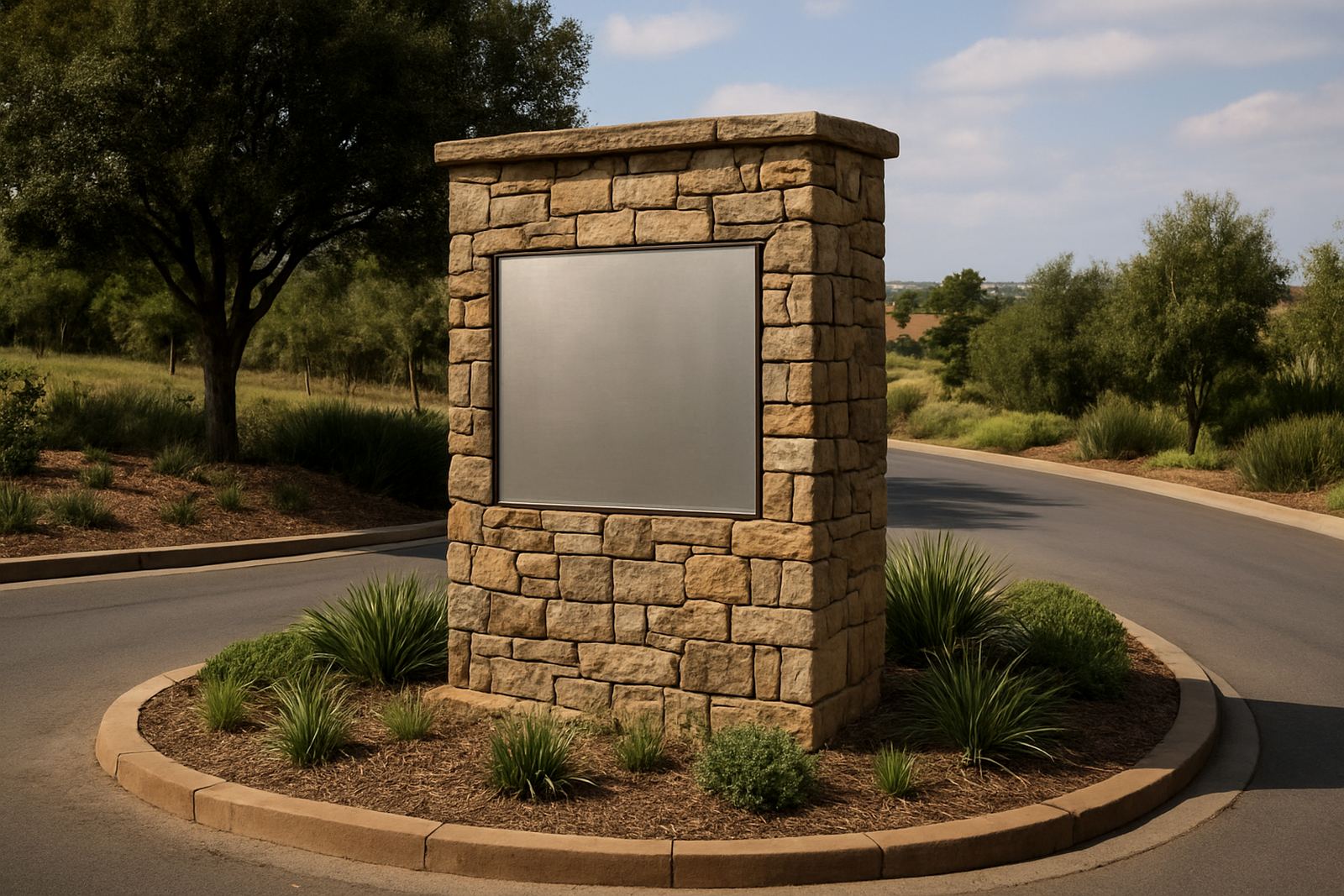
Monument signs are free standing signs positioned at ground level, usually at the entrance to a property or along a frontage where vehicles and pedestrians first arrive. They are used to identify the place, carry tenant names or numbers, and create a proper arrival point without needing a tall pylon or roof mounted structure. For many sites in Johannesburg, Pretoria and Durban they work best where there is limited sightline, security access control or a need for a more formal finish at street level.
These signs are normally built as a solid base with a visible face panel or layered lettering on top. They can be single sided or double sided, rectangular or curved, and adapted for one large identity or multiple tenant names. In practice the structure needs to handle vibration from passing traffic, wind on open corners and the effects of sun and rain over time.
- Common uses include estate entrances, business park gatehouses, schools, hospitals and municipal frontages
- Can carry company names, unit numbers, directional text or tenant directories
- Often paired with lighting, low level walling or planted surrounds for better street appeal
Sizes, finishes and built up options
There is no single standard size for monument signs because the face has to suit the roadway speed, viewing distance and the amount of text. A small internal estate marker might be 1.2 m wide by 900 mm high, while a major access feature at a business park or developer site may run to 4 m wide or more. Height is usually kept low enough to stay stable and compliant with site lines, while still giving the sign enough presence from the road.
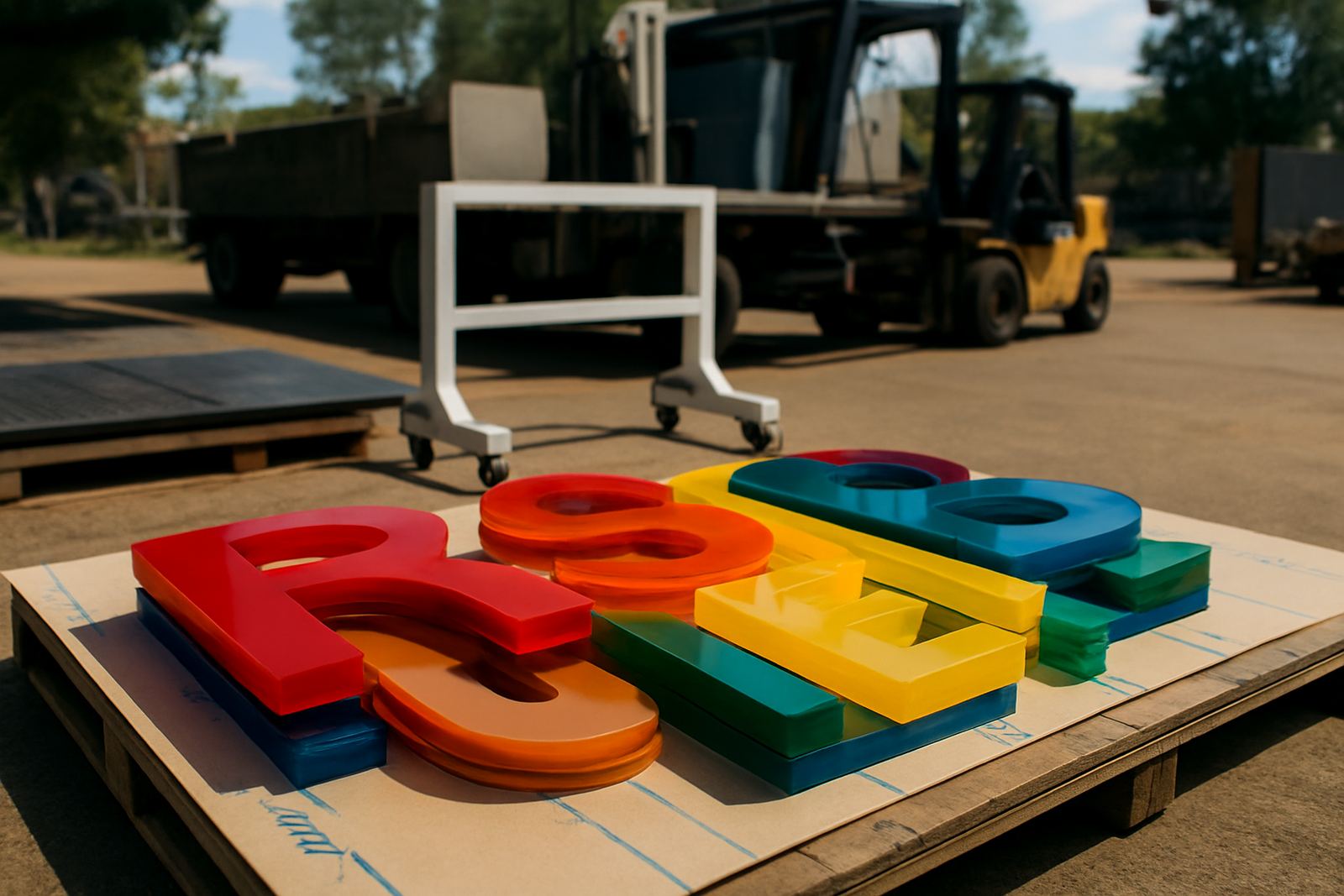
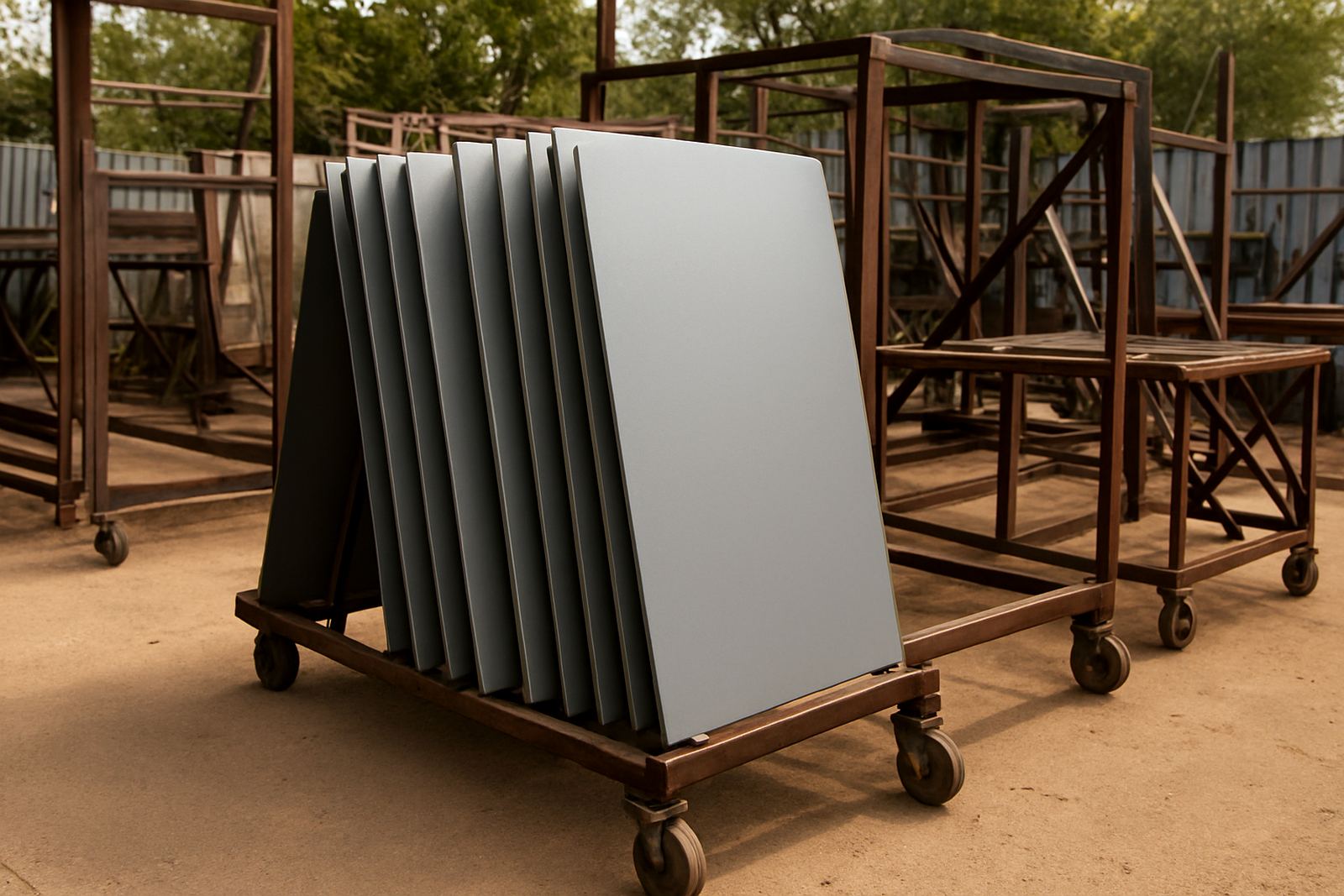
Material choice depends on budget, exposure and the look you want to achieve. Powder coated aluminium is a common choice for durability and low maintenance. Routered Perspex works well for illuminated faces and clean lettering. Brass suits premium identity panels and engraved detail. Where a heavier presence is needed, fabricated steel frames can support cladding in cement board, stone, aluminium composite or other approved finishes. In coastal areas such as Durban, corrosion protection matters more than gloss, so fixings, sealing and coating systems need proper attention.
- Typical face sizes: 1200 x 900 mm, 2400 x 1200 mm, 3000 x 1500 mm and custom larger formats
- Options include flat panels, layered letters, inset panels, routed copy and concealed access doors
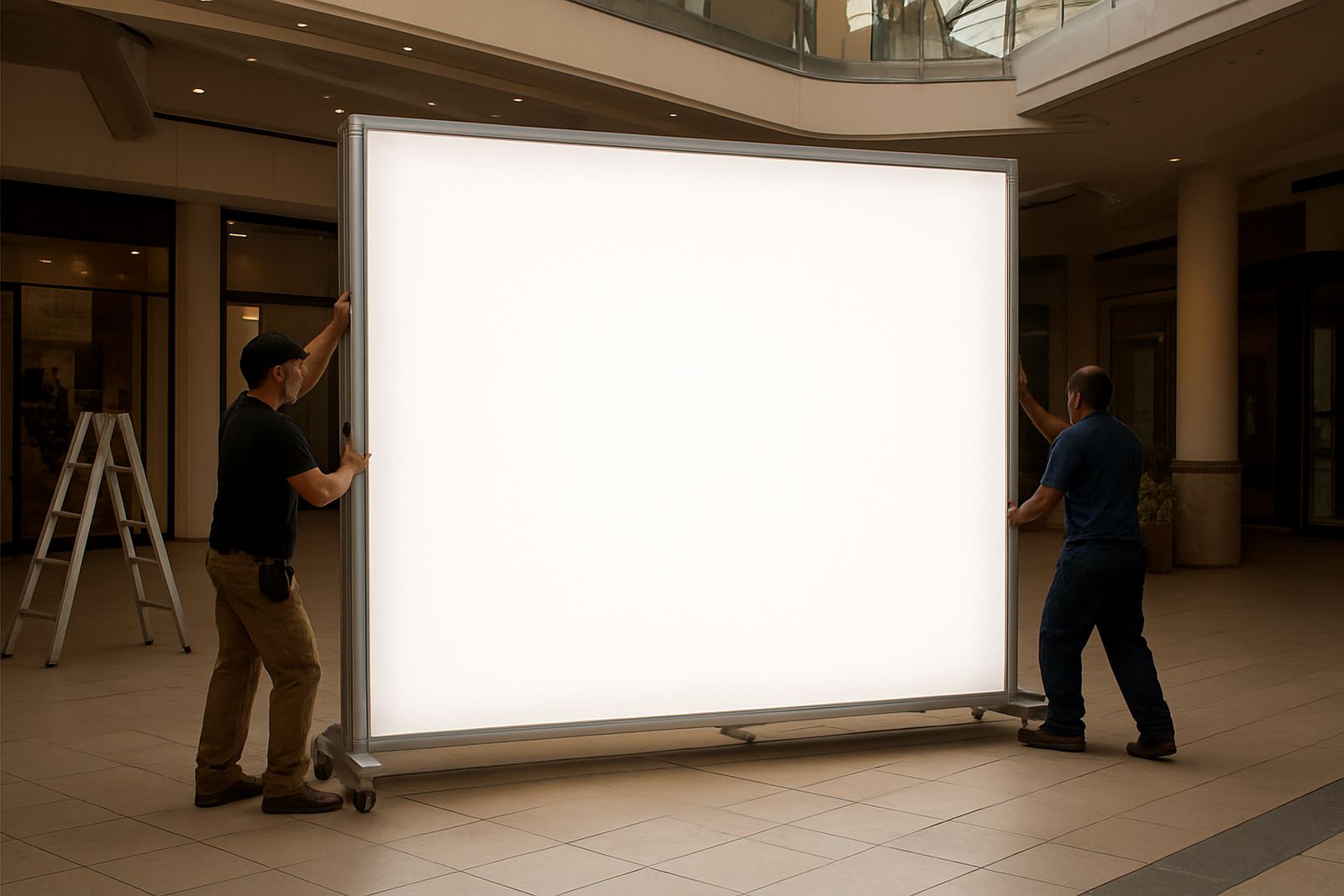
- Lighting choices include internal LEDs, halo lighting, uplighting or external flood lighting
Where monument signs work best
Monument signs suit sites where the first impression must be clear but not overbearing. They work well for gated estates, schools, medical campuses, logistics yards, commercial parks and mixed use developments. They are also useful where by-law restrictions or site design rules make a tall sign difficult to approve. On larger sites around Gauteng, they help drivers find the entrance quickly and reduce confusion at security points.
For developers and municipalities, a monument sign can also serve as a repeatable system. The same design family may be used at multiple access points with consistent colours, lettering and wayfinding panels. That makes future additions easier to manage, whether the site is expanding in Sandton, Midrand, Randburg, Germiston or further afield. If the site has several roads in or out, the sign can be designed with arrow panels or tenant maps so visitors do not have to stop and ask for directions.
- Best suited to low speed approach roads and entrance islands
- Useful where security, access control and controlled visitor flow are important
- Can be integrated with landscaping, bollards, armco barriers or gatehouse walls
Installation, footing and power needs
Because monument signs sit close to the ground, the base is just as important as the visible face. Installation usually starts with a site survey to confirm levels, services, drainage and the available footprint. The footing design then depends on soil type, wind load and whether the sign includes masonry, steel framing or illuminated sections. For sites in Johannesburg and Pretoria, clay soils and uneven fill can affect foundation depth, while on exposed sites in Centurion or open industrial areas the wind load may drive the structure size.
Where lighting is included, an electrical point or conduit route must be planned before fabrication is complete. LED lighting is usually the most practical for low running costs and reduced heat. If a gas effect is requested for a feature installation, it needs to be planned separately with the right safety clearances, shut off access and maintenance access, though most monument signs rely on electrical lighting only. All cable entries, access panels and drainage points should be sealed properly to avoid water ingress and premature failure.
Installation sequencing matters on occupied sites. Civil works come first, then the structure, then cladding and lettering, and finally electrical commissioning and touch up. If the sign is placed near traffic or pedestrian routes, it also needs temporary protection during the works and a clear handover once complete.
Maintenance in sun, dust and coastal air
South African conditions are hard on signage. Gauteng dust, high UV and summer storms can dull finishes if the sign is not looked after. On coastal sites, salt in the air can attack fixings and exposed steel faster than expected. A monument sign should therefore be designed for cleaning access, repainting where needed and easy replacement of lamps, transformers or LED modules.
Routine care is usually straightforward. Wash the face and base with mild soap and water, check for cracked sealant, inspect fasteners and test lighting after load shedding or a power interruption. If the site has landscaping around the base, keep irrigation away from electrical compartments and avoid soil build up against lower panels. A little attention every few months prevents bigger repairs later.
- Inspect seals, fixings and finish condition after heavy rain or wind
- Clean illuminated faces with non abrasive products only
- Test access doors, wiring and timers during scheduled site maintenance
What to confirm before you order
Before a monument sign is manufactured, the specification should be clear enough that there is no guesswork on site. That means confirming the exact wording, logo artwork, colour references, dimensions, mounting method and whether lighting is required. It also helps to know the viewing distance, the speed of passing traffic and whether the sign must fit within an estate architectural rule or municipal approval process.
Ordering without these details can lead to costly changes. A sign that looks fine on paper may be too low for the boundary wall, too busy for a fast road or too small to read at night. We usually check the structure location, available services, maintenance access and any approval constraints before production starts. This is especially important where the sign is part of a larger entrance upgrade with paving, gate automation or security fencing.
- Confirm final copy, spelling, logo placement and colour references
- Check available footprint, setback and height restrictions
- Decide on illumination, power route and access for servicing
- Ask for a structural view and installation plan if the sign is large or elevated
Key facts
| Typical width | 1200 mm to 4000 mm, custom larger sizes available |
|---|---|
| Typical height | 900 mm to 1800 mm, depending on viewing distance and site rules |
| Core materials | Steel frame, aluminium panels, Perspex, brass, composite cladding or masonry finish |
| Lighting | LED internal lightboxes, halo lighting, uplights or external flood lighting |
| Installation | Concrete footing, anchor bolts, sealed cable routes and site specific rigging |
| Best for | Estate entrances, campuses, business parks, schools, hospitals and municipal gateways |