What aluminium sign panels are used for
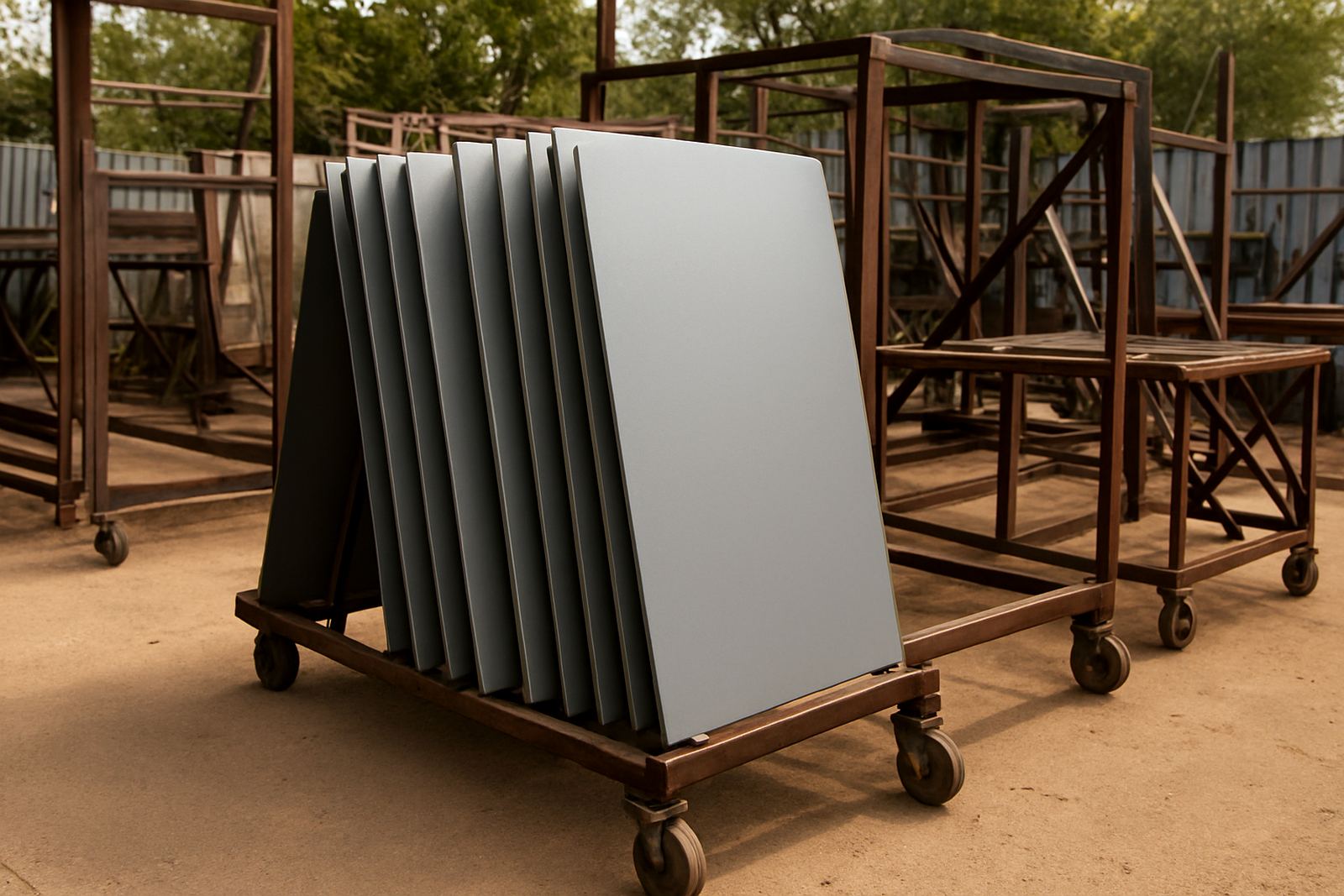
Aluminium sign panels are flat, rigid boards used where a clean finish and a long working life matter. They suit estate entrance signage, park rules, tenant directories, safety notices, direction boards, loading bay identifiers and public-facing notices in places that need a tidy appearance without heavy maintenance. In Johannesburg and surrounding areas, they are often chosen for sites that see daily traffic, sun exposure, dust and sudden weather changes.
Compared with lighter plastic boards, aluminium holds its shape better in wind and does not sag as easily over time. It is also a sensible choice for coastal projects where humidity and corrosion can be a concern, provided the correct coating and fixing details are selected. For municipal and commercial use, the panel can be supplied as a plain sign face, or finished with vinyl graphics, printed film, reflective sheeting or routed elements depending on the application.
- Suitable for estate rules, parking control, street name boards and safety notices
- Can be single-sided or double-sided, depending on the viewing direction
- Works well with vinyl, direct print, cut lettering and applied directional arrows
Sizes, thicknesses and finish options
The right size depends on the viewing distance, mounting height and amount of text on the face. For smaller wayfinding panels, a compact board may be enough. For roadside identification, industrial park entries or public warnings, larger formats are usually needed so the message can be read quickly by drivers and pedestrians. We specify sizes to suit the site, not just a standard sheet.
Typical panel construction uses aluminium sheet between 1.6 mm and 3.0 mm thick, with larger panels often stiffened on the back using frame sections or edge returns. Common widths range from about 300 mm up to 1200 mm, with custom lengths available for longer directional runs or estate signage systems. Finish options include brushed aluminium, powder-coated colour, printed face vinyl, reflective face, clear protective overlaminate and anti-graffiti coating where cleaning is a priority.
- Thickness options: 1.6 mm, 2.0 mm, 2.5 mm and 3.0 mm
- Common formats: portrait, landscape, square and custom cut shapes
- Mounting options: wall standoffs, posts, brackets, rails and concealed fixings
Where aluminium panels work best on site
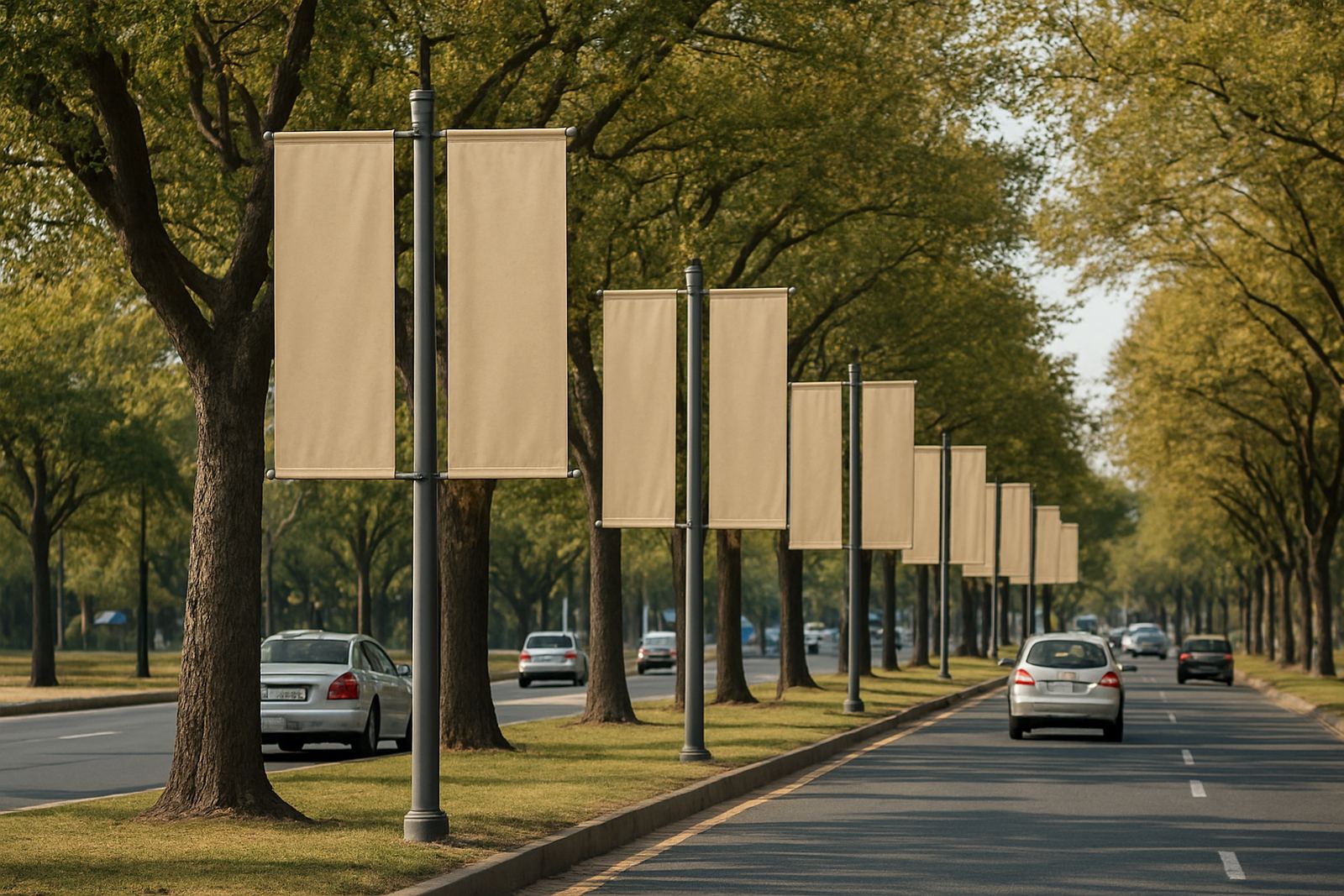
These panels are practical in estates, industrial parks, retail nodes and public spaces because they are neat, durable and easy to standardise across a site. A developer can use one family of panels for entrance signs, tenant boards and internal direction boards, which keeps the place visually consistent. Municipal sites often use the same approach for notice boards, parking instruction panels and public information signs.
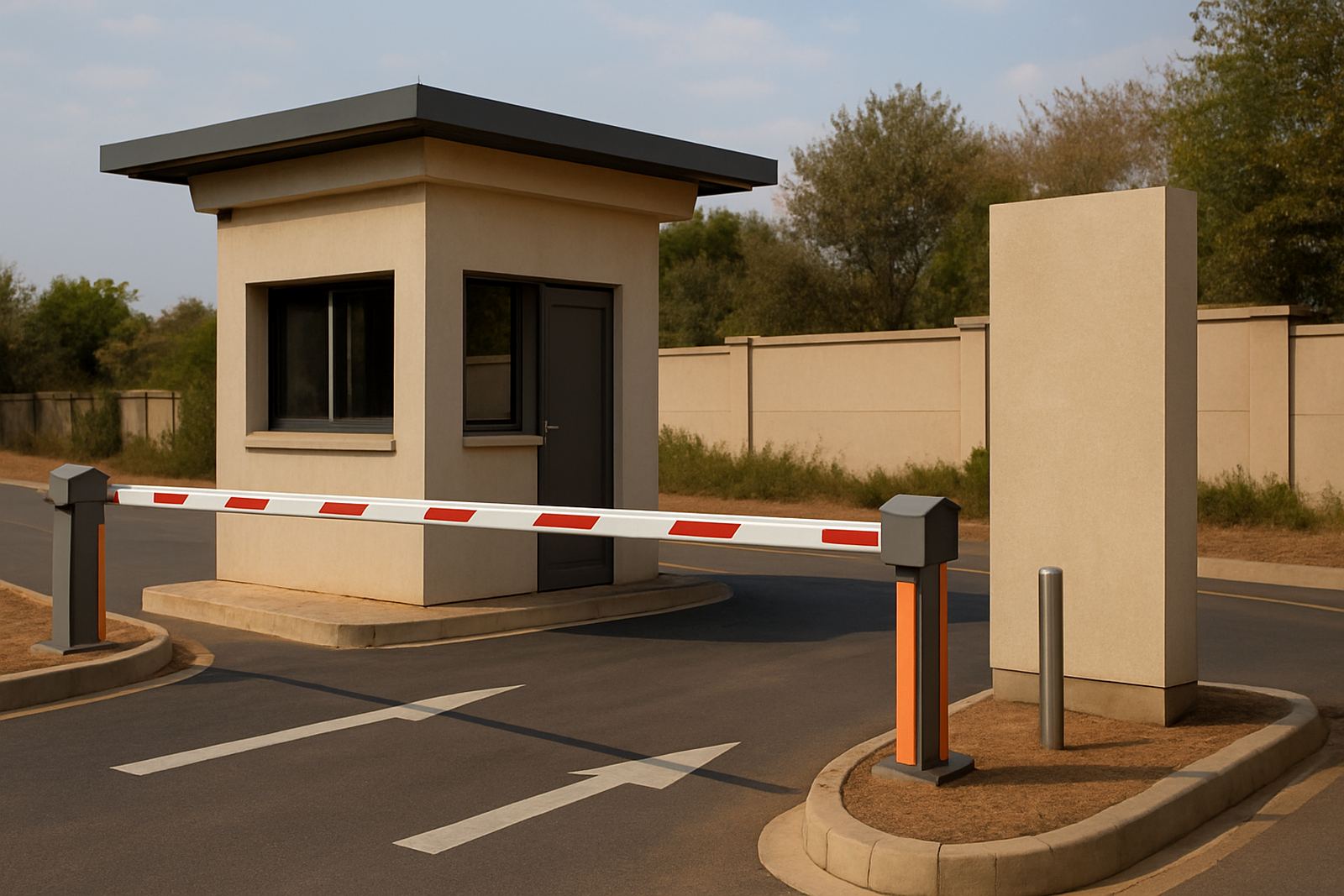
They are also a good choice where space is limited and a bulky sign would get in the way. On boundary walls, guardhouses, walkways and under-canopy areas, a slim aluminium panel is less likely to be damaged by vehicles or pedestrians. In high traffic areas, the board can be combined with reflective lettering or high contrast colours so it remains readable early in the morning and after load-shedding when lighting is reduced.
- Estate entrances and internal roads
- Industrial parks, logistics yards and warehouse fronts
- Retail centres, taxi ranks and public walkways
Installation details, fixings and services needed
Installation depends on the size of the panel, the wall structure and whether the sign is mounted flat or on brackets. A smaller panel can be fixed to brick, concrete, cladding or steel using the correct anchors and spacers. Larger panels may need a subframe to prevent twist and to carry wind load, especially on exposed sites in open veld or on taller buildings. Our team checks site access, substrate condition and fixing points before any fabrication starts.
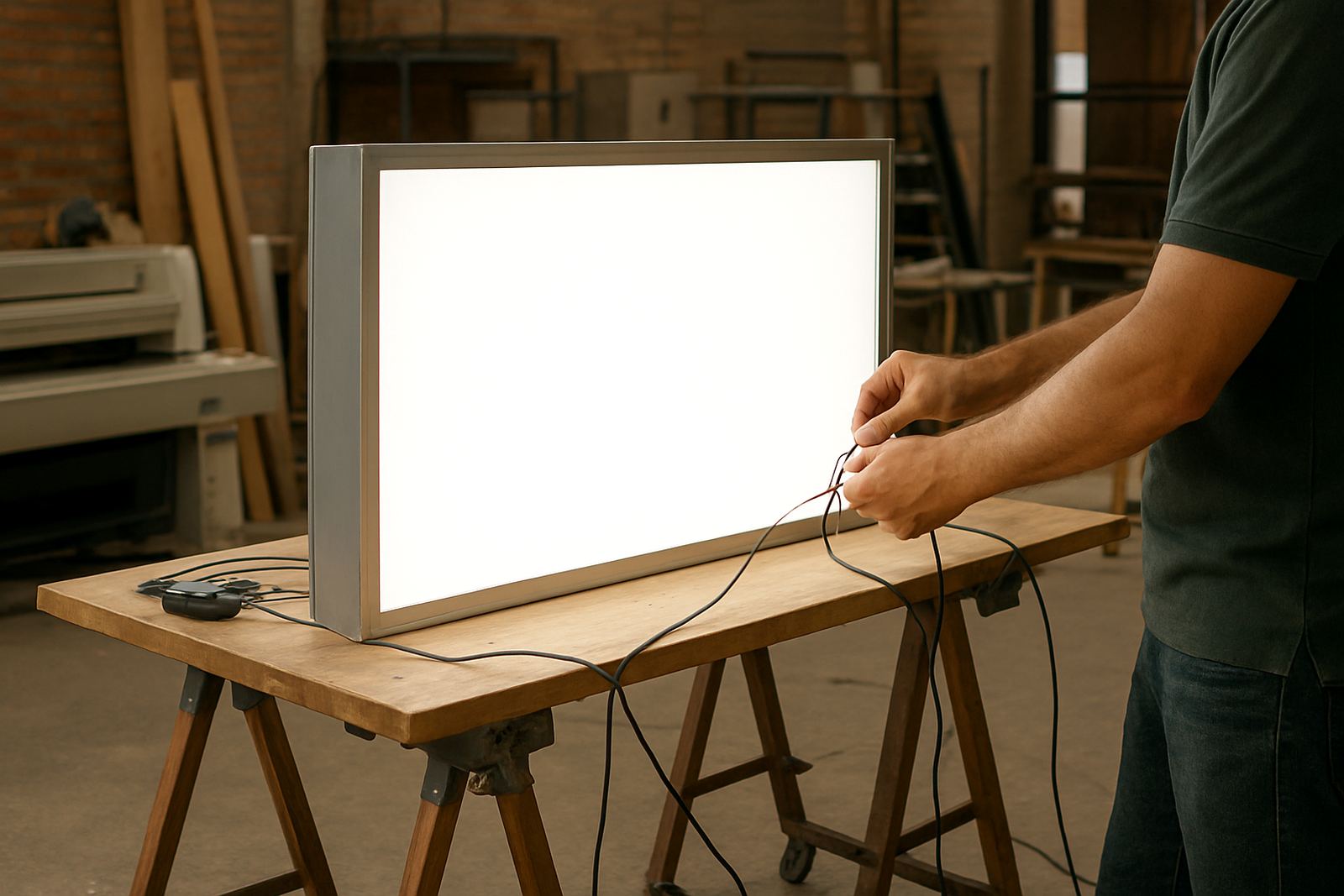
Most aluminium panels do not need power, which keeps installation simple and lowers maintenance. If the design includes illumination, then power is required for LED backlighting, edge lighting or associated night visibility features. For standard non-illuminated panels, there is no gas requirement. Where a site already has electrical infrastructure, we coordinate with the relevant contractor so cable routes, isolators and access panels are positioned properly. On municipal or commercial sites, approval details may also need to be checked before drilling or mounting begins.
- No power needed for standard non-illuminated panels
- Power needed only where lighting or LED components are included
- Gas is not required for ordinary aluminium sign panel installation
Care, cleaning and service life in South African conditions
Aluminium panels are low maintenance, but they still need sensible care to keep them presentable. Dust, exhaust residue and industrial grime build up quickly in Gauteng, while coastal air can leave a dull film on the surface. A soft cloth, mild detergent and clean water are usually enough for routine cleaning. Strong solvents, abrasive pads and high pressure washing close to the face can damage printed graphics or protective coatings.
For panels exposed to full sun, we recommend checking the colour and fixings at regular intervals, especially after the first summer and after any severe wind. Powder-coated finishes and quality overlaminates can last for years, but corners and edges should still be inspected for chips or lifting. If a panel is installed near moving vehicles, it is worth reviewing the site after a few months to make sure the bracketry has not loosened and the sign remains level.
- Clean with mild soap, water and a soft cloth
- Inspect fixings after storms, strong wind or vehicle impact
- Recheck printed or reflective finishes when signs are in direct sun
Checks to make before you order 3D letters
Before ordering aluminium sign panels, it helps to confirm the exact wording, final dimensions and the viewing distance. The same sign can read very differently at 3 metres and at 30 metres. We also check the mounting surface, whether the panel needs to match an existing corporate standard, and whether any authority approval is required for road-facing or public-facing signs. A rushed order often leads to wrong sizes, poor readability or extra site work later on.
It is also important to decide on the face finish and fixing method early. If the panel will sit in a humid area, on a coastal site or near a busy road, the specification should reflect that from the start. We will usually ask for the sign location, any existing drawings, photos of the wall or pole, and the date needed on site. That helps us plan fabrication, transport and installation with fewer surprises.
- Confirm text, spelling, logo placement and final sign size
- Share site photos, mounting details and required installation date
- Ask whether approvals, reflective materials or night visibility are needed
How Deep3 handles aluminium panel projects
We manage aluminium sign panels as part of a wider signage programme or as a standalone item. That can include site surveys, wayfinding planning, material specification, structural coordination, approval support, fabrication management and installation management. For multi-site rollouts across Gauteng or elsewhere in Africa, we can standardise the panel range so replacement pieces, tenant changes and future additions are easier to handle.
Our base in Modderfontein supports projects in Sandton, Midrand, Randburg, Germiston, Pretoria, Centurion and Durban, with delivery and rigging planned for the realities of each site. Whether the panel is for an estate gate, a factory wall or a public walkway, the aim is the same: a sign that stays straight, reads properly and is practical to maintain. If you are comparing options, we can assist with the specification before fabrication starts so the finished panel suits the site first time.
Key facts
| Material | Aluminium sheet, typically 1.6 mm to 3.0 mm thick |
|---|---|
| Typical sizes | Custom made from small directional panels to large format boards |
| Finish options | Powder coat, printed vinyl, reflective face, brushed metal, protective overlaminate |
| Mounting | Wall fixings, standoffs, posts, rails or subframes |
| Use cases | Estates, industrial parks, retail nodes, public spaces and municipal sites |
| Maintenance | Routine cleaning, fixings inspection and occasional graphics replacement |