What 3D channel letters are and how they work
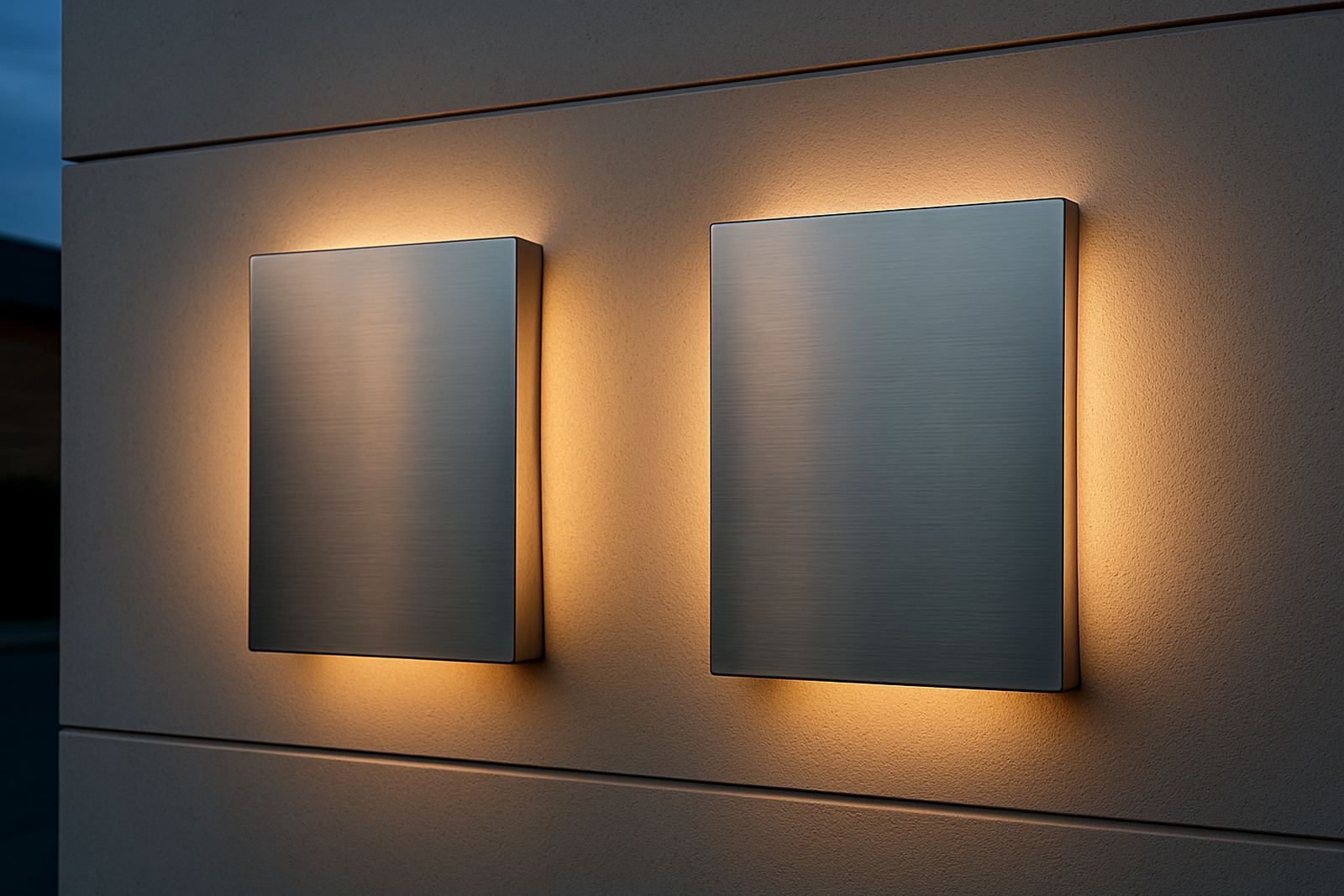
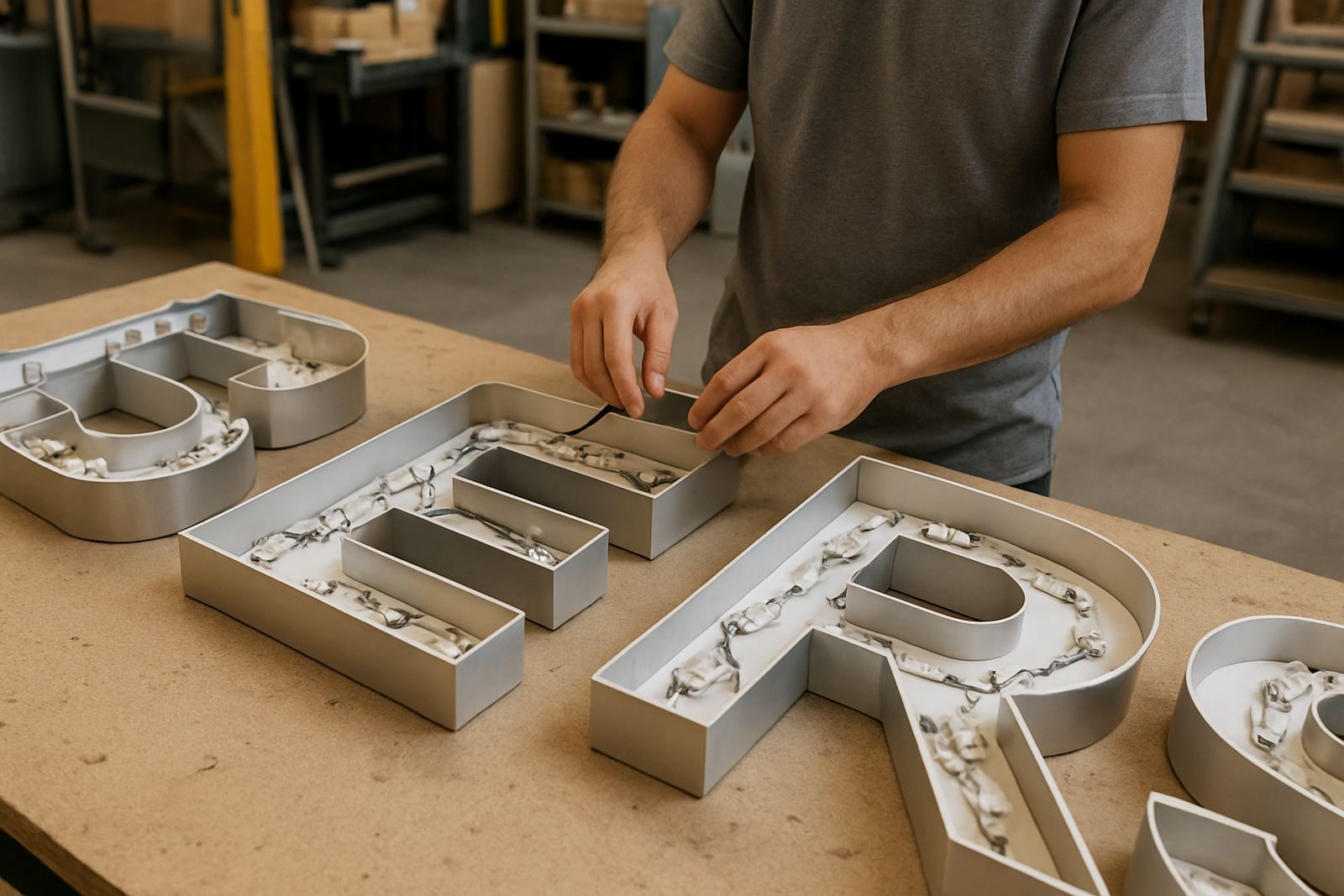
3D channel letters are individual fabricated letters or logos with depth, mounted one by one so the sign stands off the wall instead of sitting flat like a printed panel. Each letter can be opaque, front lit, halo lit, or a combination depending on the look and visibility needed after dark. The body is usually made from aluminium or stainless steel, with an acrylic face and internal LED modules for illumination.
For retail centres, office façades and industrial sites in Johannesburg, this format is popular because it stays readable at distance and gives a neat finish even on large elevations. It is also easier to scale for different building types, from a small entrance canopy in Sandton to a long roofline on a logistics yard in Midrand. The letters are made to suit your logo proportions, so the result looks intentional and not oversized or cramped.
Depth, face colour, return finish and lighting style all change the final impression. A 40 mm letter suits a compact internal reception wall, while a 150 mm to 300 mm letter is more practical on outdoor façades where the sign must hold its own against traffic, sun and shadow.
Sizes, finishes and lighting choices that suit the site
We specify channel letters to suit the viewing distance, mounting surface and available power. Smaller letters can start at about 150 mm high for close-range applications, while larger external sets often run from 300 mm to 1 200 mm high, or more for high facades and roof structures. The correct size depends on whether people are reading the sign from a pedestrian route, a parking area, or a main road.
Common finish options include brushed aluminium, powder-coated returns, painted acrylic faces and metallic-look trim. On coastal jobs where humidity and salt air are part of the picture, we usually steer clients toward corrosion-resistant materials and sealed fixings. In Gauteng, where summer storms and dust are more common, we check drainage, sealant lines and access for maintenance. If the sign sits where load-shedding affects the site, LED drivers and power routing need to be planned properly so the sign can be brought back online without fuss.
- Face thickness: typically 3 mm to 5 mm acrylic
- Return depth: commonly 30 mm to 100 mm, depending on scale
- Internal lighting: LED modules with low power draw
- Mounting: stud-fixed, rail-mounted or frame-mounted
- Finish: painted, metallic, brushed or vinyl-faced
Where channel letters work best
3D channel letters suit any site that needs strong brand presence without relying on a full light box. They are commonly used on office buildings, motor dealerships, shopping centres, warehouses, medical suites, schools and municipal facilities. They also work well on canopy fascias and roof parapets where there is room to read the sign from the approach road.
For developers and landlords, channel letters help a property look occupied and well managed. For municipalities, they can be used on public-facing buildings and service centres where clear identification matters after hours. In places like Pretoria and Centurion, where a building may be read from a busy arterial, we often advise on letter size and lighting angle so the sign is visible but not overlit. In Durban, we give extra attention to wind loading and coastal wear, because the site conditions can shorten the life of weak fixings.
They are also suitable for brand rollouts across multiple branches. Once the letter style, colour and fixing method are agreed, the same standard can be repeated across several locations with consistent results.
Installation, structure and power requirements
Proper installation starts with a site survey. We check wall construction, access, fixing points, wind exposure, electrical routes and whether the structure can take the added load. A solid brick wall, cladded façade, steel frame or concrete parapet all need different fixing details. On roof structures, support rails and access systems may be needed so the installation can be carried out safely and serviced later. No gas supply is needed, only a suitable electrical feed for illuminated signs.
For LED-lit letters, the usual power requirement is low compared with older fluorescent systems, but the installation still needs a safe weatherproof supply, isolator and suitable cable routing. We also plan for maintenance access, especially where the sign sits above a busy entrance or on a height that needs cherry picker access. On some projects, approvals and structural sign-off are required before fabrication can begin, particularly near public roads or on large developments.
- Site survey for dimensions, access and fixing method
- Structural coordination where brackets or frames are required
- Electrical allowance for transformers, drivers and isolators
- Weatherproof sealing at entry points and joints
- Safe access plan for installation and future maintenance
Care, cleaning and planned servicing
Channel letters are low maintenance, but they do need periodic checking. Dust, pollution and bird droppings can dull the finish, while vibration and heat can loosen fixings over time. In Gauteng, a basic clean every few months keeps the faces clear and the light output strong. In coastal areas, more regular inspection is wise because salt can attack exposed metal parts and fasteners. If a sign is installed near a busy loading bay, impact damage and dirt build-up should be checked as part of routine site maintenance.
We recommend testing illumination after load-shedding events and at least once a year checking for failed LEDs, water ingress, loose letters and damaged cabling. If the sign is mounted high above the pavement, arrange access before the weather turns wet. A small fault left alone can become a bigger repair if moisture gets into the backer or driver housing. Proper servicing extends the life of the sign and keeps the brand looking sharp through the day and night.
Checks to make before you order 3D letters
Before fabrication starts, the important details must be pinned down. The logo artwork should be final, with correct colours and proportions. The exact wall or roof measurements matter, as does the viewing distance. If the sign will be lit, confirm whether front lit, halo lit or unlit letters are needed. If the building has cladding, stone, glass or painted steel, the mounting method may change. The more precise the information, the smoother the project.
It also helps to know if the site is in an estate, on a main road, inside a shopping centre or on municipal property, because approval requirements can differ. A landlord may want the sign removable, while a developer may need a fixed long-term solution. When you brief Deep3, we look at the whole job, from sign strategy and material choice through to installation management and handover, so the finished letters fit the building and the site rules.
- Final artwork in the correct proportions
- Exact sign size and mounting height
- Lit or unlit requirement
- Wall type, roof type or canopy detail
- Power point location and access for wiring
- Approval requirements from landlord, estate or municipality
Key facts
| Product type | Fabricated 3D channel letters for exterior and interior branding |
|---|---|
| Typical sizes | From about 150 mm high for close viewing to 1 200 mm and larger for façades and rooflines |
| Material options | Aluminium, stainless steel, acrylic faces, powder-coated finishes and vinyl-faced details |
| Lighting | LED front lit, halo lit, or non-illuminated |
| Mounting methods | Stud-fixed, rail-mounted, spacer-mounted or frame-mounted |
| Service areas | Modderfontein, Sandton, Midrand, Randburg, Germiston, Pretoria, Centurion, Durban and projects across Africa |