What built-up aluminium letters are
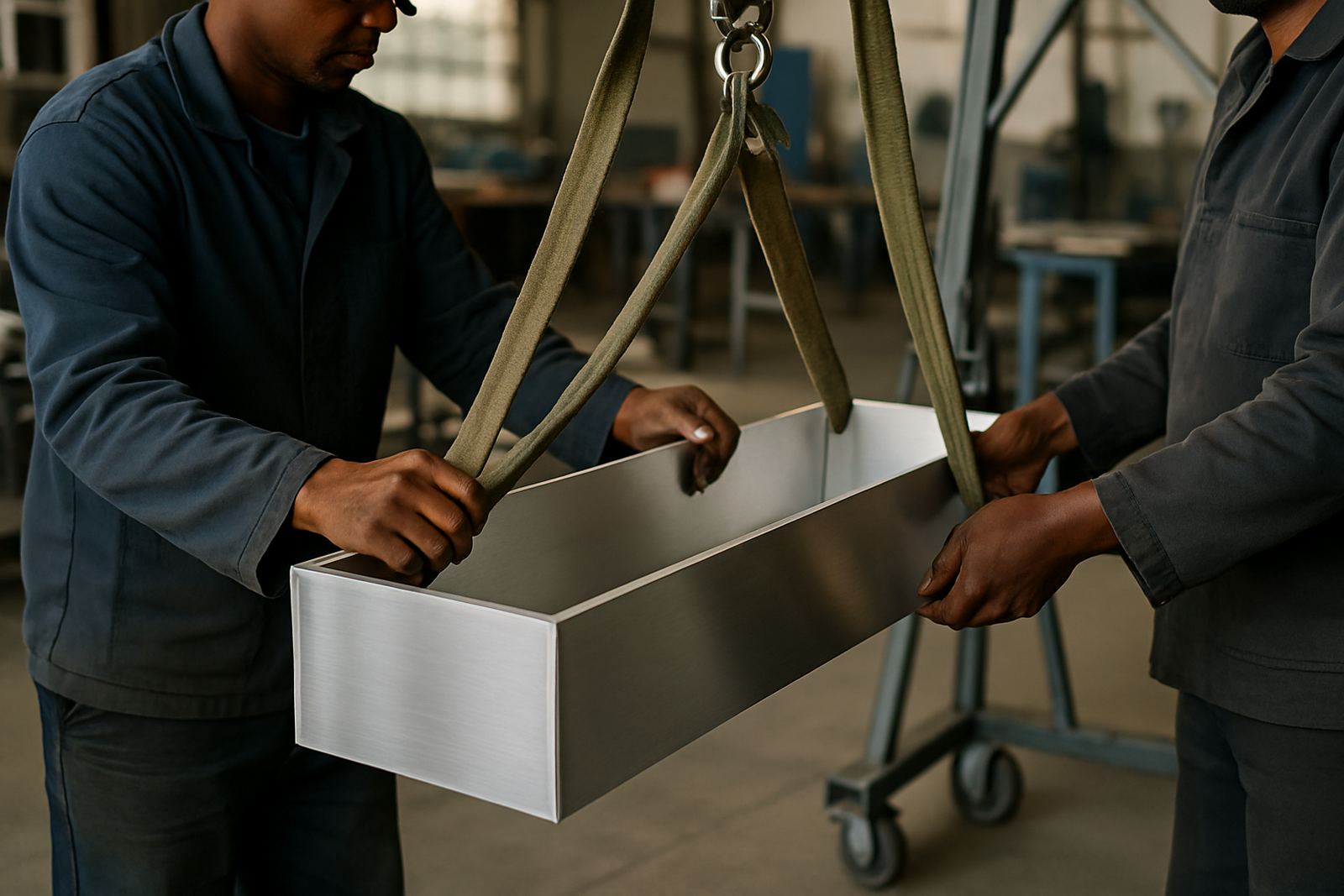
Built-up aluminium letters are three-dimensional signs made from folded aluminium returns with a face panel and internal fixing points. They are commonly used for company names, estate entrances, retail centres, office parks and industrial sites where the signage must look neat from close range and still hold up outdoors for years.
The aluminium construction keeps the sign light enough for practical installation, while still giving a solid depth and crisp edge profile. Letters can be plain metal, painted to match a corporate colour, or paired with a face detail such as brushed finish, vinyl graphics, or halo lighting where the design calls for it. For tenant signage, the finish is usually chosen to read well against cladding, masonry or glass without looking too busy.
These letters are specified to suit the wall type, wind exposure and viewing distance. On high-rise facades and large boundary walls, letter depth and fixing method matter as much as the artwork because the sign has to stay true in wind and sun, not just look good on day one.
Sizes, depths and finish options
We specify built-up aluminium letters in a range of sizes, usually from smaller internal or reception applications up to large external letters for building facades and roadside visibility. The right size depends on the mounting height, the viewing distance and whether the sign is meant for pedestrians, vehicle traffic or both.
Common options include face depth, return depth, finish type and illumination method. Typical build choices are 20 mm to 150 mm depth, but larger custom letters can be made where the architecture demands it. Letter thickness and stroke width are adjusted so the sign stays legible from the intended distance, especially on busy roads or where the background colour changes through the day.
- Plain aluminium face and returns for a clean metal look
- Powder-coated finish to match corporate or development colours
- Brushed or satin metal effect for premium tenant fronts
- Face-applied vinyl for logos, names and small detail work
- Illuminated or non-illuminated build depending on site rules and power access
- Mounting on rails, standoffs or direct fixed methods, depending on wall type
Where built-up aluminium letters suit best
This product suits commercial buildings, business parks, hotels, shopping centres, clinics, factories and residential developments that want a permanent nameplate with a more refined finish than flat print. It is also a practical choice for municipalities and developers who need tenant identification that can be repeated across several buildings with the same material standard.
Because aluminium handles outdoor exposure well, it works in Johannesburg, Pretoria, Durban and coastal areas where humidity and salt air can shorten the life of weaker sign materials. For sites with load-shedding or restricted electrical access, non-illuminated aluminium letters still perform well through the day and require no power at all. Where lighting is needed, the electrical approach can be planned around the site’s operating hours and maintenance access.
- Tenant signage on office blocks and retail centres
- Entrance names for estates, parks and developments
- Building identity on facades and boundary walls
- Industrial parks and warehouse fronts
- Municipal and public-facing site naming
- Upmarket corporate branding on glass, brick or metal cladding
How installation is planned on site
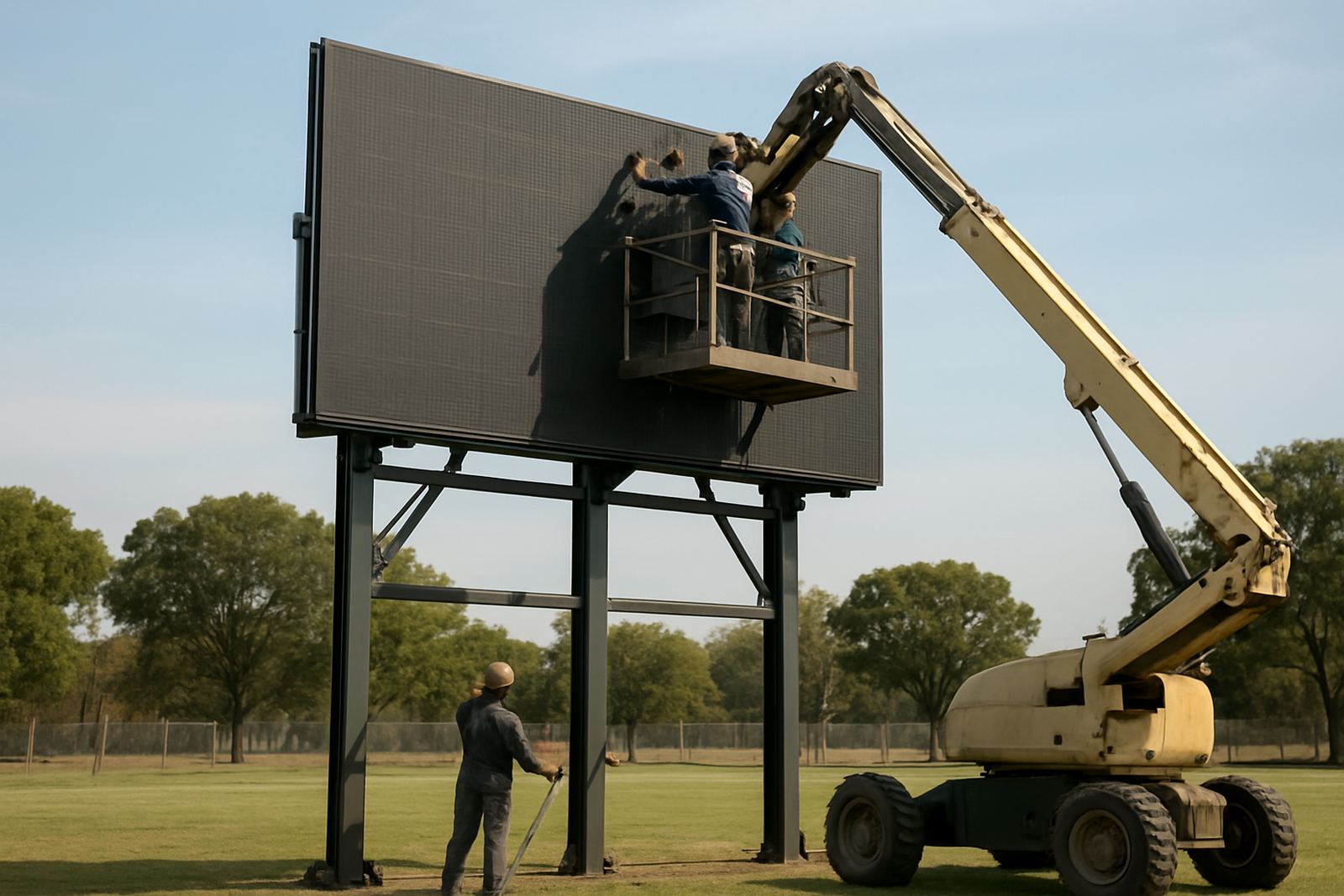
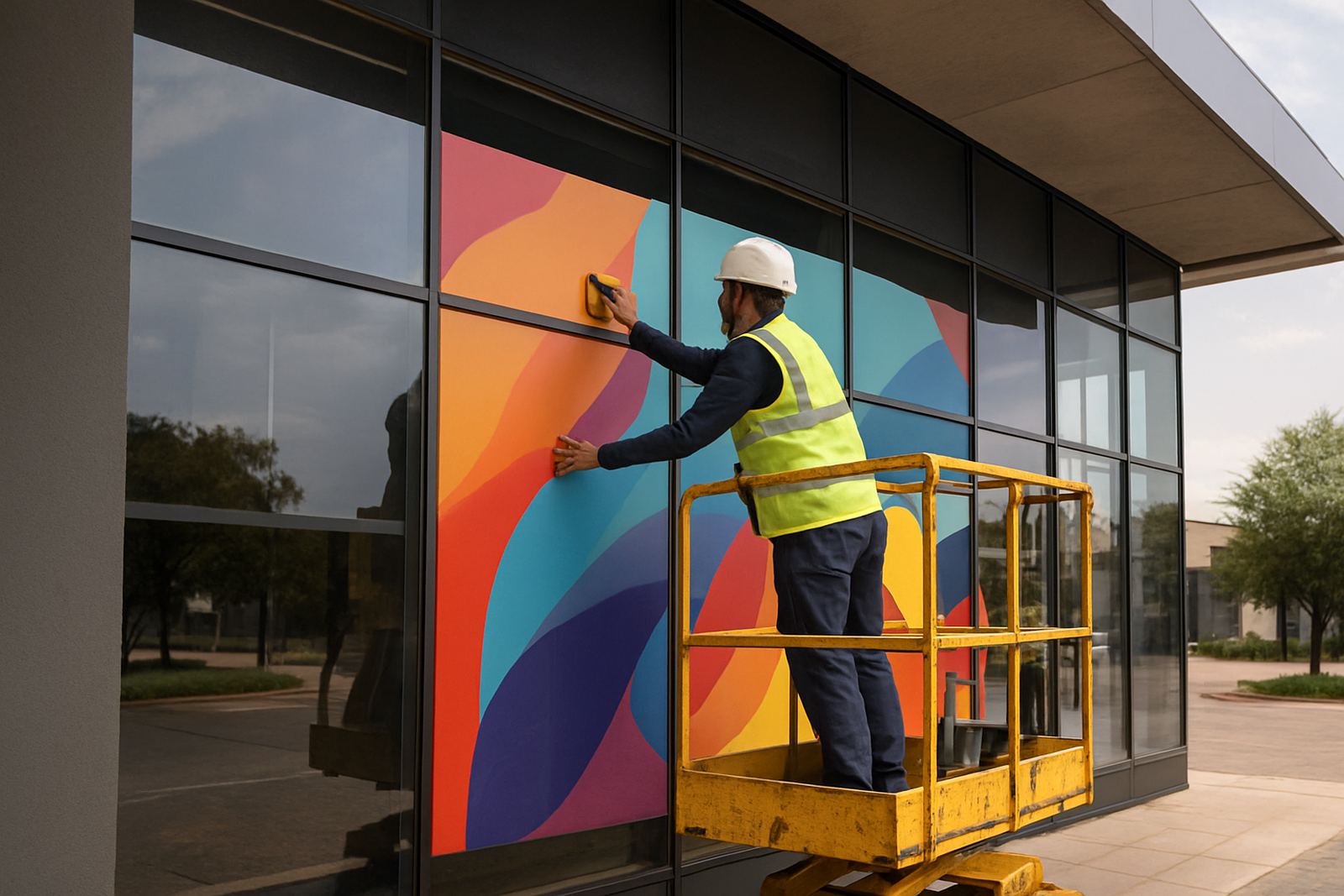
Installation starts with a site survey and measurement check so fixing points, cable routes and access equipment are agreed before fabrication begins. On projects in Modderfontein, Sandton, Midrand, Randburg, Germiston, Pretoria, Centurion and Durban, the main issue is usually access and working height, not the letters themselves. Some walls allow direct fixing from a cherry picker or scaffold, while others need a mounting rail system to line up the letters cleanly.
Built-up aluminium letters can be installed on masonry, precast concrete, rendered walls, cladding, glass-backed feature walls and some metal substructures. The fixing method is selected to suit wind loading and the surface condition. On older buildings, we check for uneven walls, brittle render and possible water ingress before any drilling starts, because poor substrate will affect the final line of the sign.
For illuminated versions, a power point or dedicated supply path may be needed nearby. If the design includes backlighting or internal lighting, the electrical installer must allow for transformer or driver placement, safe access for maintenance and compliant cable routing. Gas is not used for standard built-up aluminium letters, and no site gas connection is normally required. On exposed sites, weather sealing at fixings and junction points matters because a small gap can let in moisture and shorten service life. A tidy install saves a lot of grief later.
Specifying the right letter for your site
Before ordering, it helps to confirm the following details so the production team can size and build the letters correctly. This is especially important where the sign sits on a new development, a leased tenant unit or a building that still needs landlord approval.
- Exact wording, font style and logo artwork in usable format
- Overall sign size and the available wall space
- Viewing distance and whether the sign is for vehicles, pedestrians or both
- Wall material and condition, including any cladding joints or expansion gaps
- Finish colour, gloss level and any branding standards to follow
- Whether the sign must be lit, unlit or future-ready for lighting later
- Any height limits, estate rules or municipal approval requirements
It also helps to know if the site has ongoing vibration, strong wind exposure or regular cleaning with water jets. These factors affect the fixing pattern and the type of sealant or support that should be used. When a sign is too thin or the returns are not deep enough, it can look fine at ground level but fall flat from the road, so proportion should be checked early. This is one area where a proper survey prevents costly rework.
Care, cleaning and servicing
Built-up aluminium letters are low-maintenance, but they do need occasional cleaning to keep the finish looking sharp. Dust, traffic film, bird droppings and rain staining build up over time, especially on roadside facades and buildings near active construction. A soft cloth or sponge with mild soapy water is usually enough. Harsh abrasives, strong solvents and rough scouring pads should be avoided because they can mark the paint or polished finish.
If the letters are illuminated, the electrical components should be checked on a planned basis. This includes a visual inspection of fixings, cable entry points, water sealing and any signs of flicker or dimming. For commercial properties, it is worth aligning sign checks with other building maintenance, such as façade washing, roof inspections and monthly security patrols. That keeps access costs down and avoids repeated hire of access equipment.
Where a panel or individual letter is damaged by impact or weather, targeted repair is often possible. It is better to replace one damaged letter early than allow corrosion or movement to spread across the mounting set. Proper servicing also keeps the sign compliant with property standards and helps the business avoid a tired frontage that sends the wrong message.
A good fit for long-life branding
Built-up aluminium letters suit clients who want a sign that looks solid, reads clearly and can stay in place for years with sensible maintenance. They are practical for new developments as well as upgrades to older sites that need a cleaner tenant front or a better street presence. With the right size, finish and mounting method, the result is neat and durable without being overdone.
Deep3 Signage Consultants handles signage strategy, site surveys, material specification, fabrication management, installation management and project handover for built-up aluminium lettering across Gauteng and the rest of Africa. For brand owners, developers and municipalities, that means one team can handle the sign from first measurement to final fixing, including the practical details that often get missed on a busy site.
Key facts
| Material | Folded aluminium returns with aluminium face panel |
|---|---|
| Typical depth | 20 mm to 150 mm, with custom larger sizes available |
| Finish options | Plain metal, powder-coated, brushed look or vinyl-applied |
| Use case | External branding, tenant signage, entrances and facade identity |
| Mounting | Direct fix, standoff or rail-mounted, depending on wall type |
| Power requirement | None for non-illuminated versions; electrical supply needed only if lit |