What Cut Vinyl Lettering Is and Why It Works
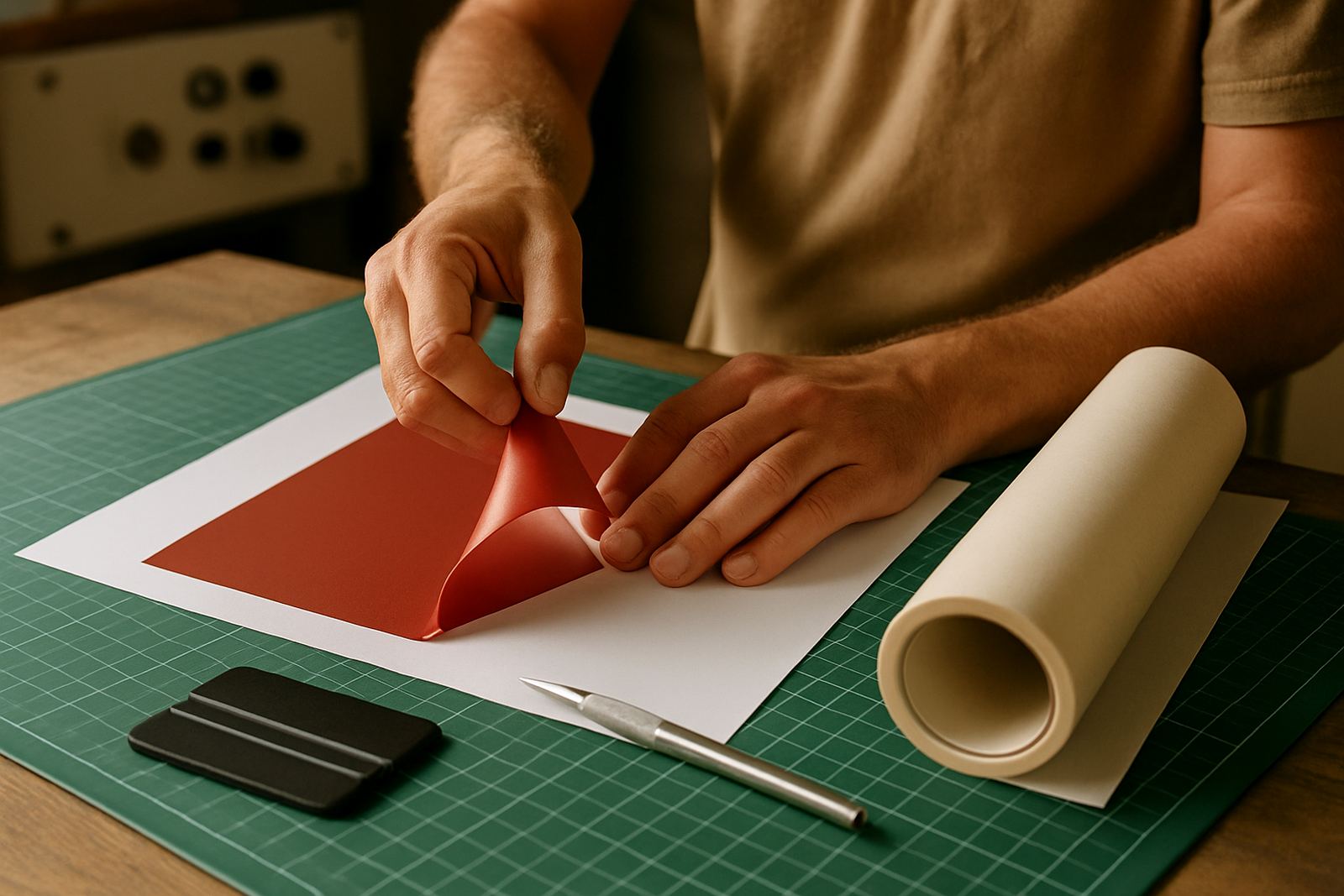
Cut vinyl lettering is made by cutting letters, numbers and simple symbols from solid colour self-adhesive film, then applying those shapes directly to a surface. There is no printed background, so the finish is neat and professional, with the surface showing through wherever the artwork is spaced out. It is a practical choice when you want a sharp look without the thickness of built-up letters or the cost of full printed panels.
For many projects in Gauteng, cut vinyl is the right middle ground between short-term promotional signage and more permanent fabricated branding. It works well on glass, powder-coated steel, aluminium composite panels, painted walls and smooth vehicles. On site it can be fitted quickly, which helps when access is limited, trading hours are tight, or a store needs to open with minimum disruption.
- Suitable for indoor and outdoor use
- Available in gloss, matt, frosted and metallic finishes
- Can be matched to common corporate colour references where the film range allows
- Best on smooth, clean surfaces with sound paint or factory finish
Sizes, Thicknesses and Finishes You Can Specify
Lettering can be produced in almost any practical size, from small door numbers to large shop fascia names and panel directions. The final size depends on viewing distance, the amount of copy, and whether the sign must be read from a vehicle, pavement or corridor. As a guide, a 50 mm letter height is often comfortable for close internal reading, while 100 mm to 150 mm works better for entrances and vehicle doors. Larger fascia lettering may be set at 200 mm or more, depending on the wall or board size.
Most cut vinyl lettering is made from self adhesive film in a range of thicknesses suited to the job. Standard colour films are commonly used for solid text, while frosted film is often chosen for privacy bands on glazing. Reflective film may be specified for certain directional or safety applications. For coastal sites such as Durban or humid areas around the East Rand, it is worth selecting a film and adhesive that can cope with heat, moisture and regular washing.
- Small lettering: 20 mm to 60 mm for doors, labels and internal guides
- Medium lettering: 75 mm to 150 mm for shopfronts, vehicle sides and office names
- Large lettering: 180 mm and up for fascias, pylons and prominent wayfinding
- Finish options: gloss, matt, metallic, frosted and reflective
Where Cut Vinyl Lettering Suits Best
This product suits businesses that need clear identification rather than heavy construction. Shops use it on front windows, security doors and fascia trims. Property developers use it for sales suites, site boards, parking direction and unit numbering. Municipal teams often need it for temporary notices, public counters, loading bay labels and internal movement signs. It is also common on delivery vehicles, service vans and bakkie doors where a clean name and contact block is enough.
Because the letters are individually cut, the result can look very tidy on glass and painted panels. It is especially effective where a printed poster would curl or fade, or where you want the surface to remain visible around the copy. For offices in Sandton, Randburg or Centurion, it gives meeting rooms, reception glazing and access doors a professional finish without adding bulk. On vehicles, it keeps branding light so the bodywork remains easy to clean and repaint later if needed.
- Shopfront naming and trading hours
- Vehicle doors, tailgates and trailers
- Internal office names, room numbers and safety notices
- Directional panels, parking bays and site access points
Installation, Surface Prep and Power Requirements
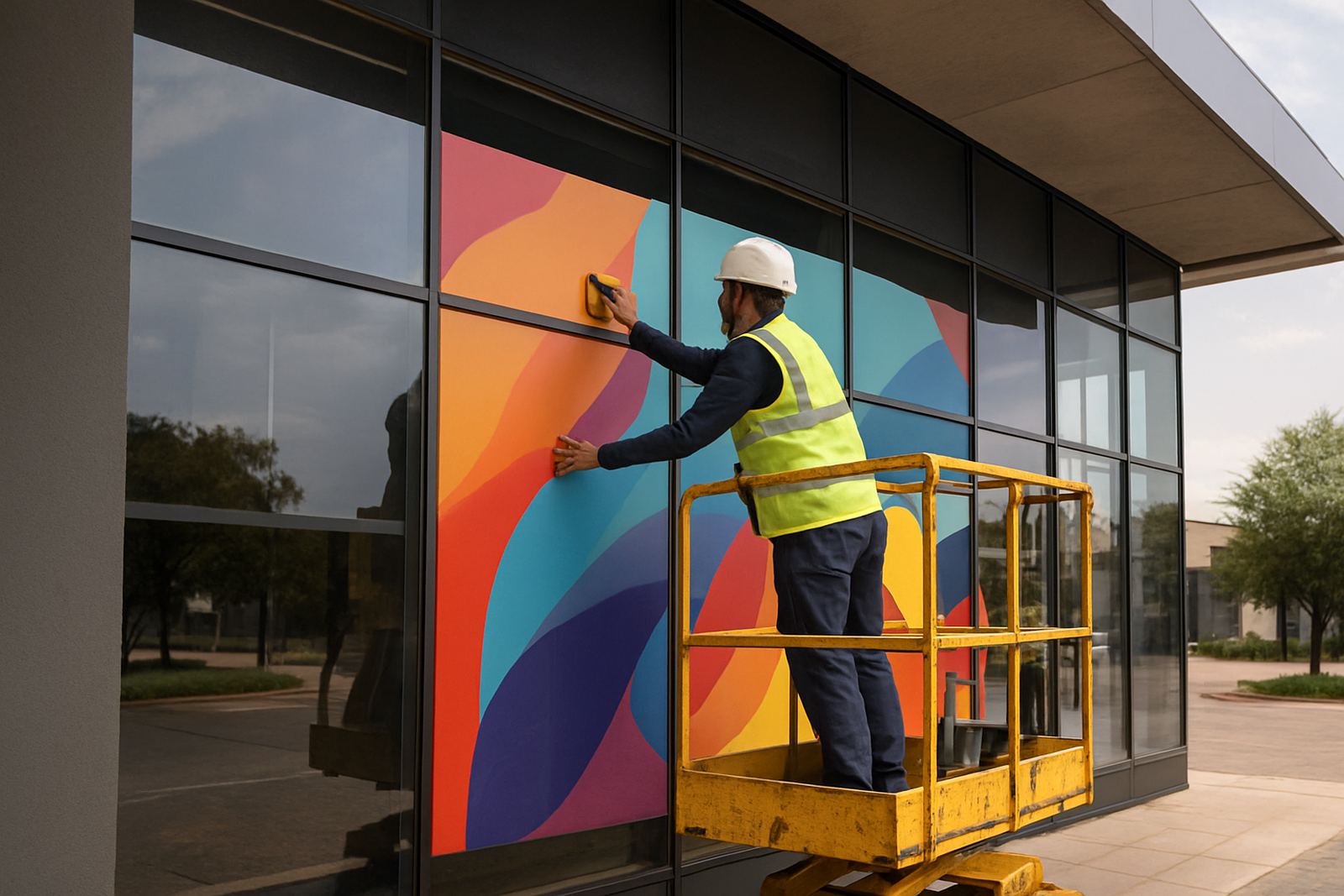
Installation is straightforward compared with illuminated signage, but the surface must be prepared properly. Dust, wax, oil, silicone and loose paint all affect adhesion. On site we check the finish, confirm the panel is dry and stable, and align the copy before the backing is removed. Larger graphics are transferred with application tape so the letters stay in register. For vehicle work, temperature matters as well, because cold panels and very hot panels can change how the film settles.
Cut vinyl lettering does not require electricity or gas. It is a non-illuminated product, so there are no power supplies, transformers or changeover issues during load-shedding. That makes it useful for sites where electricity is still being sorted out, or where the client wants a simple message that stays visible without ongoing power costs. If the lettering is going onto a light box, glass frontage or a panel that already carries lighting, the sign structure itself may need separate electrical coordination.
- No power supply needed for the lettering itself
- Surface must be clean, dry and fully cured where paint has been recently applied
- Best installed in moderate temperatures, not on wet or dusty surfaces
- Can be fitted to flat, lightly curved and many vertical surfaces
Care, Servicing and Lifespan Expectations
Cut vinyl lettering is low maintenance, but it still needs sensible care. Regular washing with mild soap and water helps keep the edges clean, especially on vehicles that collect road film, tar and dust. Avoid harsh solvents, abrasive pads and high-pressure washing too close to the edges. On glass, use a soft cloth and non-ammonia cleaner where possible. If the sign sits in direct sun, on a coastal building or beside a busy road, the film can age faster than on a shaded internal wall.
In many cases, a well specified installation can last for years, though the actual lifespan depends on the film grade, exposure and how well the substrate is maintained. If a company updates its trading name, telephone block or directional layout, individual letters can often be removed and replaced without redoing the whole panel. That makes this an economical choice for operators who change branch details or tenant names from time to time.
- Wash gently and avoid sharp scrapers
- Check edges after storms, heavy cleaning or vehicle repairs
- Replace damaged letters early so dirt does not lift surrounding film
- Keep a record of the colour, size and layout for future reorders
What to Check Before You Order
The best results start with the right information. Check the exact wording, spelling, capital letters and line breaks before production. Decide whether the sign needs to read from one side only or whether reverse application is required on glass. Measure the usable area carefully and allow space around the text so it does not crowd handles, door frames, rivets or panel joins. If the sign is for a vehicle, confirm whether the surface is flat, curved or ribbed, since that affects letter size and instalation method.
It also helps to confirm the viewing distance and the purpose of the sign. A reception number needs different sizing from a roadside directional panel or a delivery van door. If you are ordering for a developer, municipality or multi-branch business, ask for a consistent format across all sites so the branding stays uniform from Modderfontein to Pretoria, Durban or Germiston. When the details are settled early, the schedule is easier to manage and the finished lettering sits properly the first time.
- Final wording and spelling
- Letter height, colour and finish
- Surface type and whether it is glass, metal, painted wall or vehicle body
- Need for single-sided or reverse application
- Installation height, access and any out-of-hours restrictions
- Any local rules for street-facing signs, parking or municipal notices
Key facts
| Product type | Self-adhesive cut vinyl lettering |
|---|---|
| Common sizes | 20 mm to 300 mm plus, depending on viewing distance and layout |
| Material options | Standard colour film, frosted film, metallic film and reflective film |
| Suitable surfaces | Glass, aluminium, Perspex, painted metal, smooth walls and vehicle panels |
| Power or gas needs | None for the lettering itself |
| Typical uses | Shopfronts, vehicles, office branding, directional panels and site notices |