

Build the access into the sign before it goes up
The biggest mistake with illuminated signs is treating maintenance as an afterthought. Once a box sign, light box or fabricated 3D letter set is fixed high on a wall, the service route becomes part of the job whether anyone planned for it or not. Good signage specification should allow for safe access, cable entry, opening points and enough room for a technician to work without forcing panels off in a hurry.
In Johannesburg and Pretoria, where sites often sit close to busy roads or active loading areas, access planning also affects traffic control and working hours. A sign above a shopfront in Sandton may need a different service approach from a roadside pylon in Midrand or a municipal entrance sign in Centurion. If the fixings, hinges and access panels are right from the start, routine work stays quick and cheaper.
When we review illuminated sign projects, we look at how the sign will be reached, how the face opens, and whether maintenance can happen from a ladder, a gantry or a lift. That early decision can save repeated call-outs later and reduce damage to the sign itself.
What normally needs servicing on an illuminated sign
Most illuminated signs fail in small ways first. A single LED module goes out, a transformer starts humming, a water seal lifts, or dust builds up and dulls the face. On coastal routes toward Durban, moisture and salt can shorten component life. In Gauteng, fine dust, vibration and load-shedding related power interruptions can also show up as flicker, hot spots or failing drivers.
The service list depends on the sign type, but these items come up often:
- Checking the illumination pattern for dead spots, dimming or colour shift
- Inspecting power supplies, drivers and control gear for overheating
- Testing weather seals, drainage points and cable entry glands
- Cleaning diffusers, faces and surrounds so the sign stays legible at night
- Tightening fixings, brackets and frame connections after wind exposure
- Looking for corrosion on aluminium, brass details and steel support members
- Confirming timers, daylight sensors and switching controls still operate correctly
A sign can look fine from the ground and still have service issues inside the casing. A proper inspection catches those problems before they become a full outage.
Why power quality and load-shedding matter
Illuminated signs are sensitive to unstable power. Repeated interruptions, surges and uneven restart cycles can shorten the life of internal components. On sites where generators, backup systems or solar support are used, the sign may need a slightly different control setup to avoid nuisance failures. If the electrical supply is poor, you may see flickering, delayed start-up or sections that only light once the system has warmed up.
For retail centres, office parks and municipal sites, the service plan should include electrical checks after power events. That means looking at cable insulation, protection devices and any control gear housed in tight spaces where heat builds up. A sign that runs fine in summer can struggle in winter if moisture is entering the casing or if a failed component is drawing excess current.
It helps to keep a basic service log. Record when the sign was cleaned, what was replaced, and whether the issue came from power, weather or physical damage. Over time, that record shows where the real cost sits and which signs need a more frequent visit.
Material choices affect how often a sign needs attention
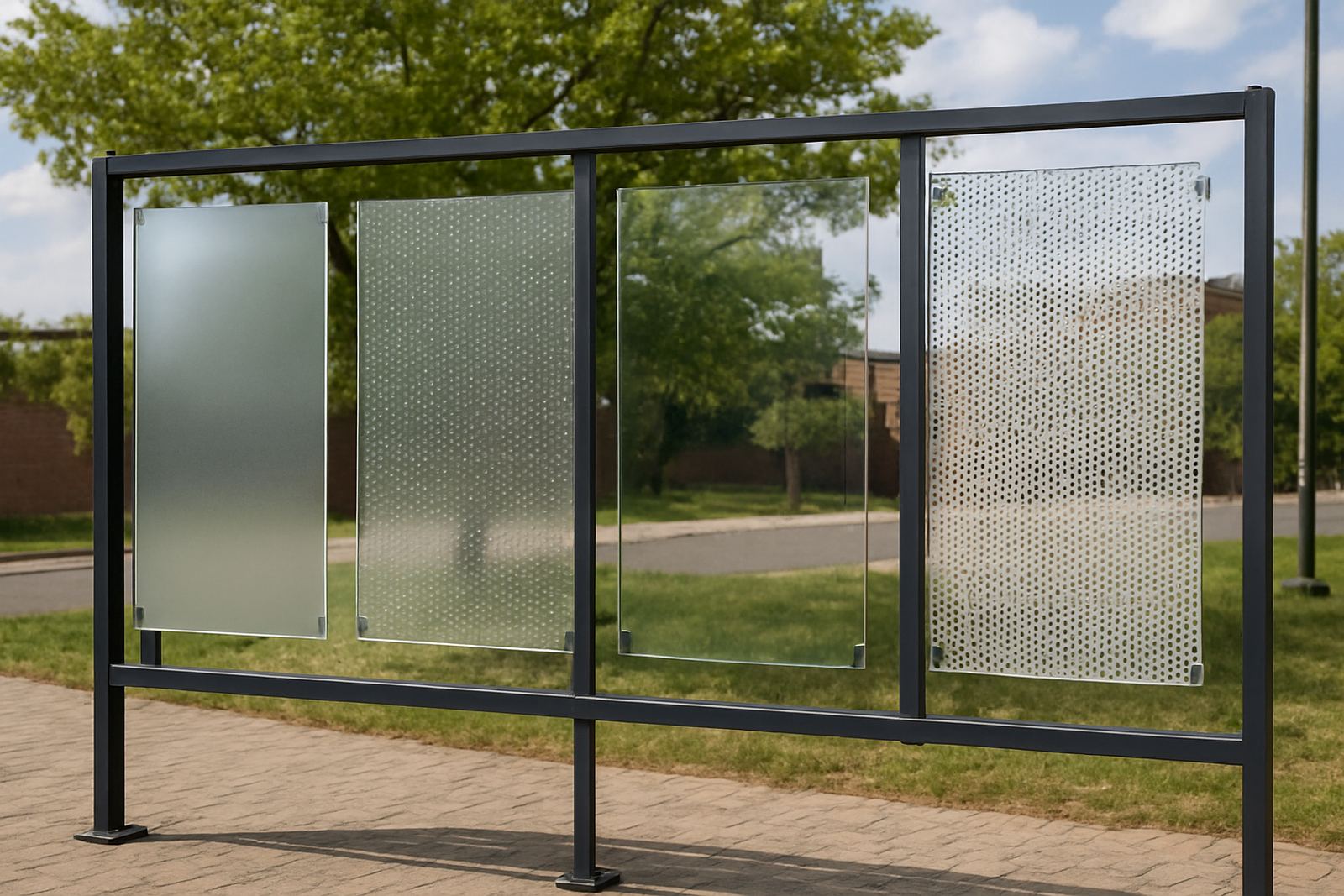
Not every illuminated sign ages in the same way. Printed vinyl faces need different cleaning and replacement intervals from routered Perspex panels or aluminium fabricated sections. Brass trim can patina, which may be acceptable on some developments but not on others. Coastal humidity, airborne dust and UV exposure all influence how fast the finish changes.
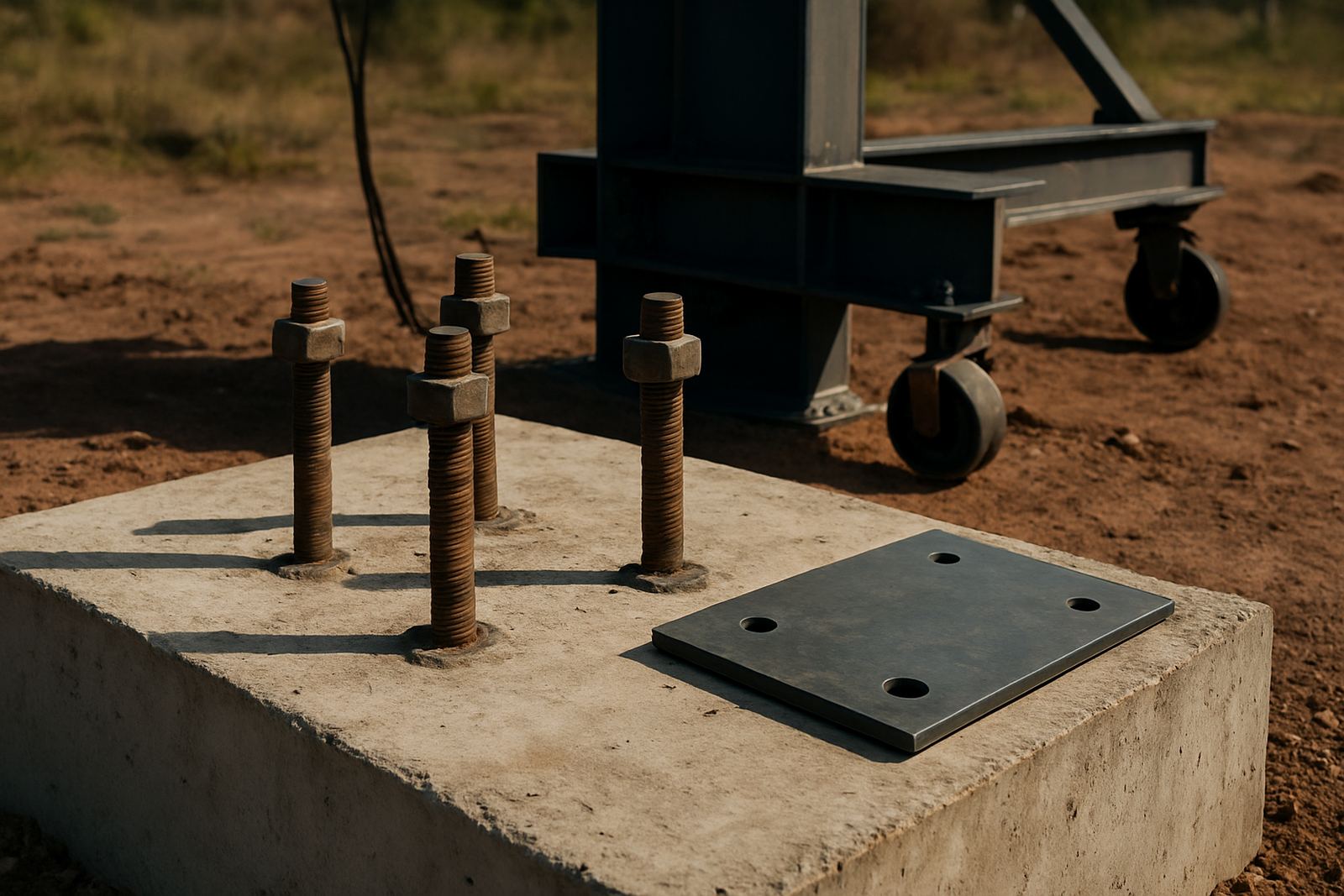
Material choice should be made with maintenance in mind, not only appearance. For example, a deep light box on a busy Randburg frontage may benefit from access panels that can be opened without disturbing the whole frame. A roadside pylon in Germiston may need stronger fixings and more regular fastener checks because of vibration and exposure. A municipal sign in Pretoria should allow for the replacement of internal parts without closing a public area for too long.
- Choose finishes that can be cleaned without scratching the face
- Avoid hidden fixings that require full dismantling for routine servicing
- Use corrosion-resistant components where humidity or pollution is a factor
- Allow for future module or lamp replacement without changing the full sign
When a sign is specified properly, the maintenance work is smaller and the sign stays presentable for longer.
A local example: a roadside pylon in Modderfontein
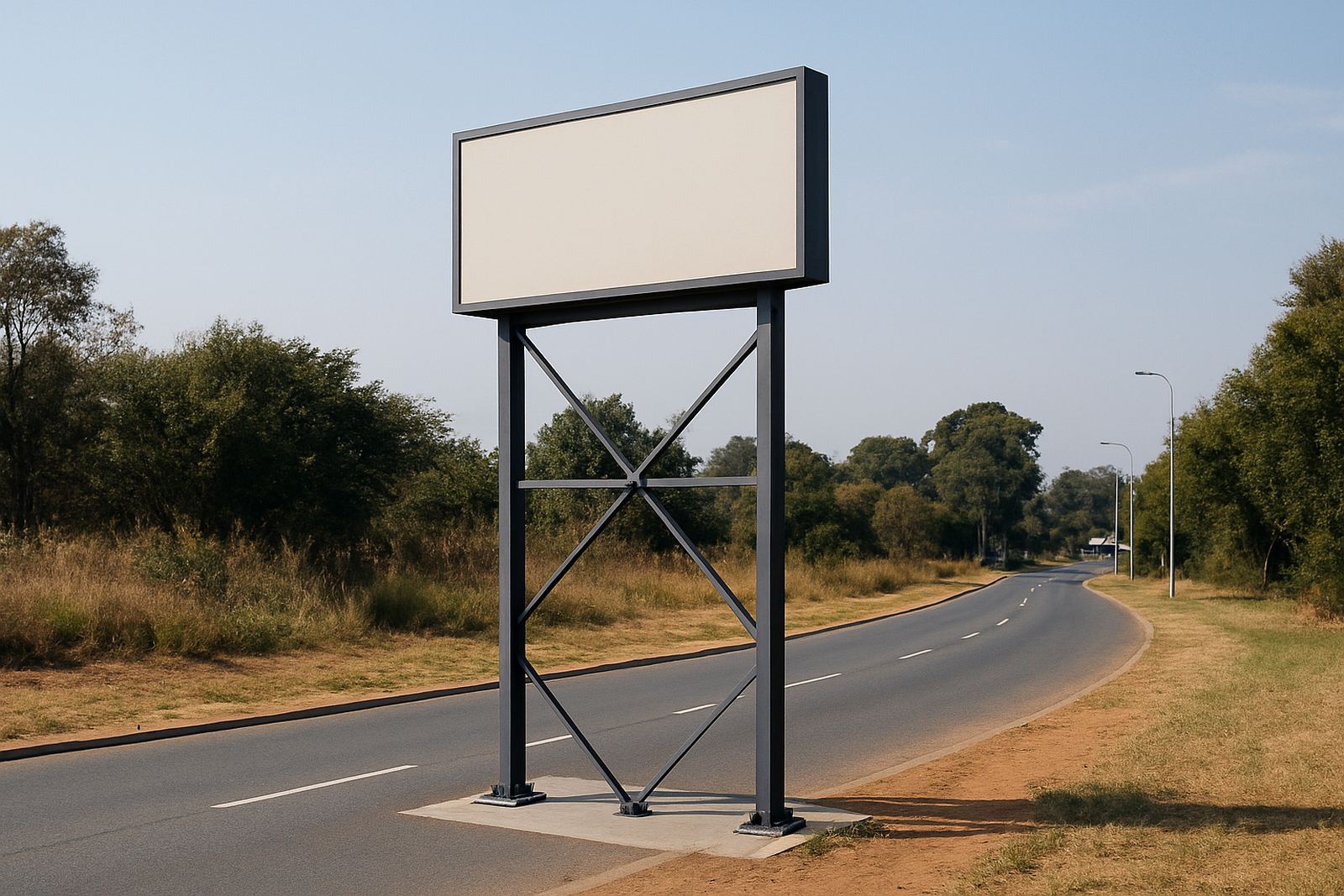
At a mixed-use site in Modderfontein, a roadside illuminated pylon needed monthly checks because it sat close to traffic dust and weekend delivery movements. The original brief focused on visibility from the road, but the service team also had to work safely from the back of the structure. By adding access points, internal cable management and a clear maintenance route before fabrication, the site team avoided taking the sign apart each time a component failed.
That project showed a simple truth: access is part of the specification. If a sign stands high, faces traffic or is mounted above a canopy, the servicing method must be decided with the same care as the graphic layout. On a live site, every minute spent trying to reach a lamp is a minute of added risk and disruption.
For developers and municipalities, this matters even more because service windows are often short and public access has to remain controlled. The better the planning, the less the site depends on temporary fixes and emergency call-outs.
How to keep illuminated signs in working order
A good service plan is not complicated, but it must be followed. Signs in high-traffic areas should be inspected regularly, especially after storms, power failures or strong wind. Where the sign is large or difficult to reach, the inspection interval should be set by the site conditions and not by guesswork.
We usually recommend a practical routine based on the sign type, height and exposure:
- Monthly visual checks from ground level for flicker, dirt and damage
- Quarterly close inspections on exposed signs and roadside structures
- Annual electrical and structural review for mounting points and control gear
- Cleaning after dust storms, heavy rain or construction work nearby
It also helps to keep the original drawings, wiring schedule and component notes in one place. If a technician arrives months later, they should know where access opens and what parts were used. That saves time and avoids unnecessary stripping down of the sign.
Servicing illuminated signs is mostly about planning ahead. If maintenance access is built in from the start, the sign stays safer, the site stays tidier, and the lighting keeps doing its job without drama.