
Start with the viewing distance and the job the box must do
Before you pick materials, decide how the light box will be read. A sign viewed at 3 to 5 metres outside a shopfront needs different contrast and lighting than a pylon panel seen from a roadway or a forecourt cabinet seen in traffic. The viewing angle, day and night use, and whether the sign must compete with nearby traffic lights all shape the spec.
For most projects, the first question is simple: is this for close customer guidance, brand visibility, or directional use at speed? That answer drives the size of the cabinet, letter height on any copy, and whether the face should be solid panel with cut vinyl, printed translucent film or a full illuminated graphic.
- Record the viewing distance in metres.
- Note if the sign is for pedestrian, vehicle or mixed viewing.
- Confirm whether the box must work in full sun, under canopy or in low light.
- Check if the message is permanent or will change later.
Choose the face material for clarity, durability and service life
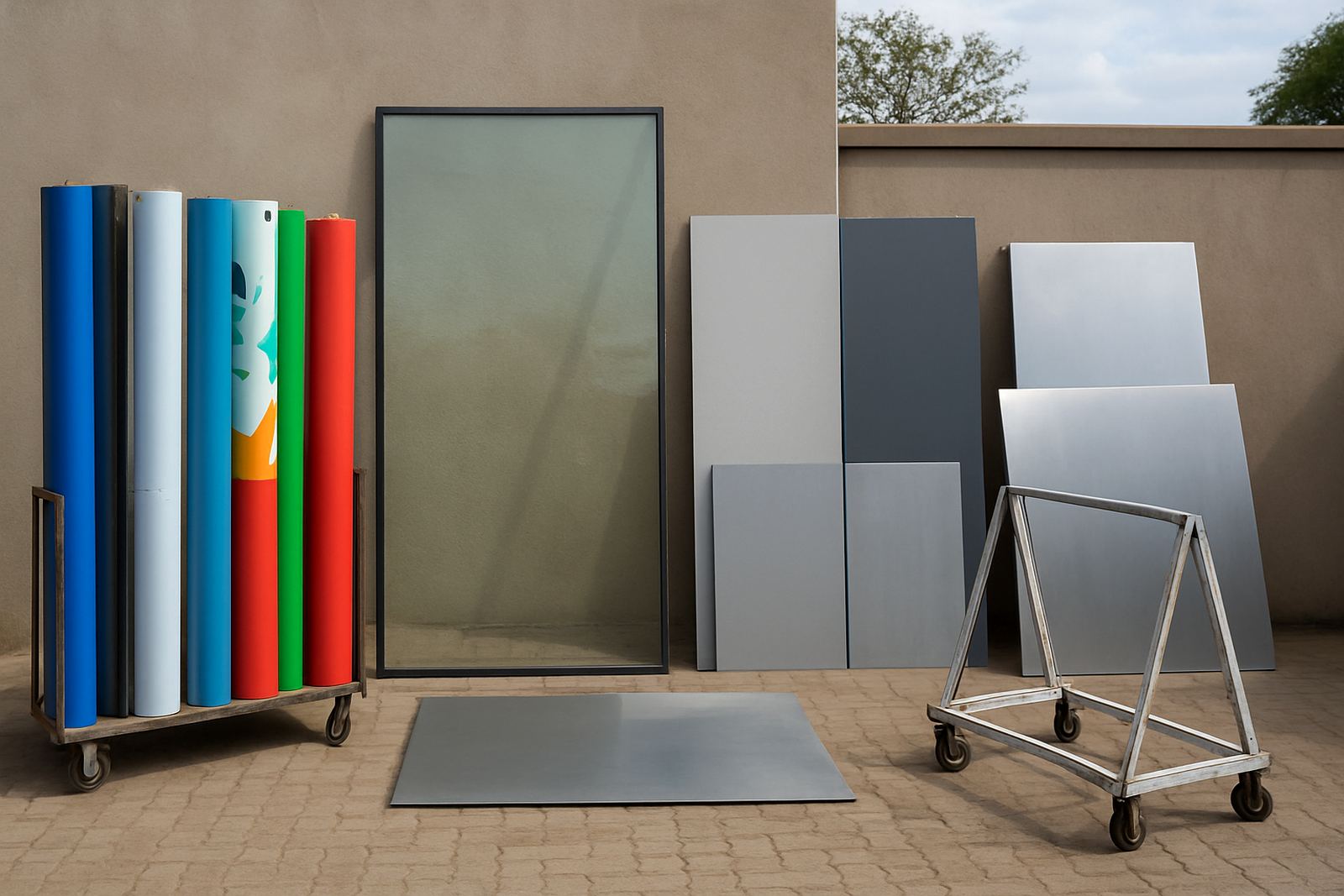
The face is where many light boxes fail first, especially in Gauteng heat, coastal humidity or dusty roadside conditions. You need a face that stays flat, transmits light evenly and can be cleaned without haze. Common options include diffusing acrylic, polycarbonate, printed translucent film on a clear face, or a metal framed face with routed openings for specific graphics.
If the sign is exposed to vandalism, hail or regular wash-down, thickness matters. A thinner face may bow over time, causing hot spots and poor light spread. On larger cabinets, specify the face thickness, fixing method and whether the face can be removed from the front or back. That affects maintenance and turnaround when the sign needs new graphics or lamp replacement.
- State the preferred face material and thickness in millimetres.
- Specify whether the graphic is printed, cut vinyl or routed.
- Ask for UV resistance if the face will face north or west.
- Confirm if anti-glare or matte finish is required.
Set the cabinet depth around the lighting system, not the other way round
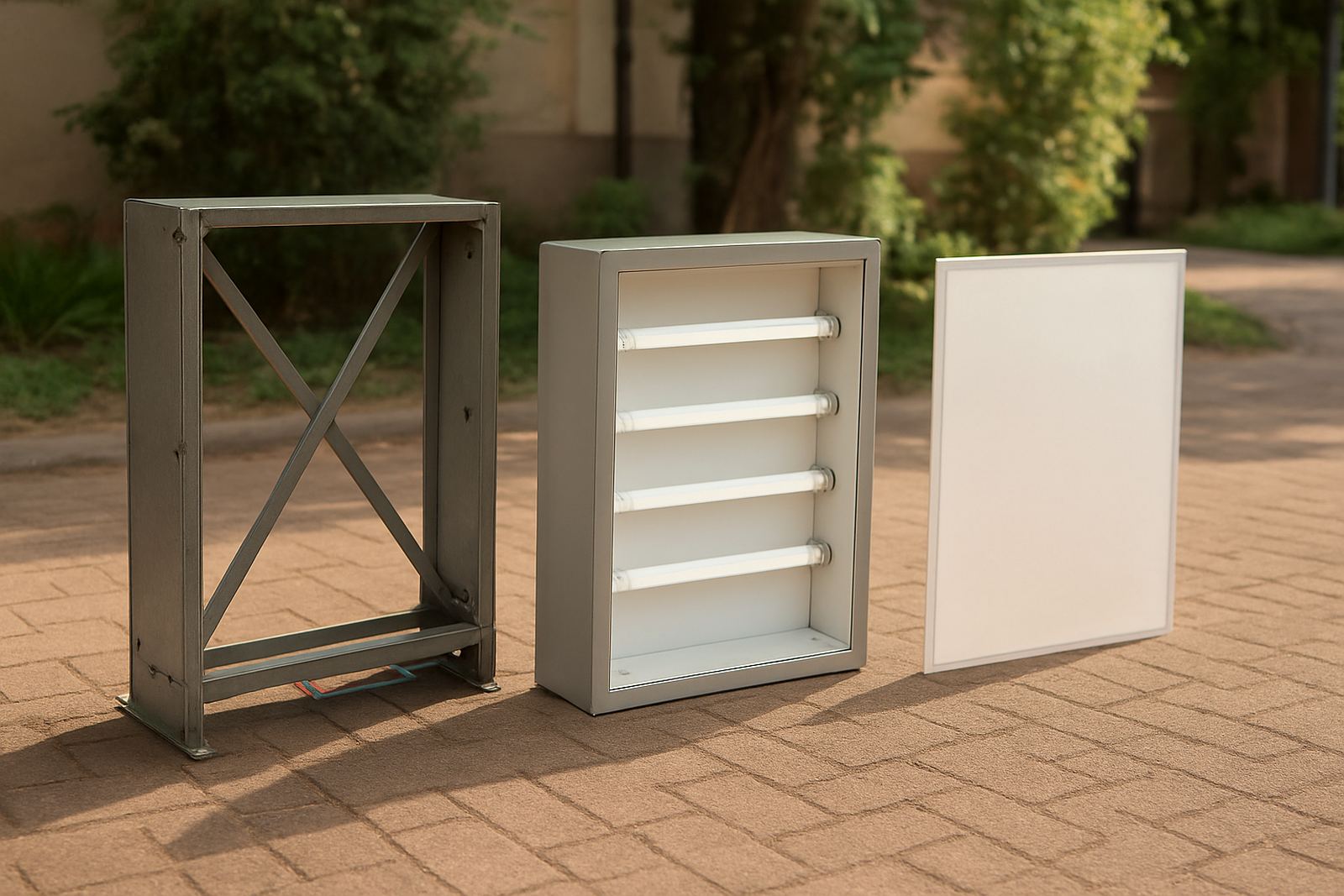
Depth is not just a fabrication detail. It determines how evenly the face lights up, how much heat builds up inside and whether maintenance staff can reach the fittings. A shallow cabinet may suit LED modules on a small wall sign, but deeper boxes are often better for larger formats because they reduce shadowing and help the light spread evenly.
Ask for the internal layout before approval. You need to know where the power supply sits, how cables are routed and whether there is enough room for ventilation. In areas where load-shedding is a daily reality, the cabinet should also be planned with stable power protection and straightforward access for future checks. A sign that cannot be opened safely after installation becomes expensive very quickly.
- Confirm the total cabinet depth in millimetres.
- Ask how the lighting is spaced behind the face.
- Check for heat management and airflow.
- Specify front or rear access, depending on site conditions.
Define the output level and colour temperature before production
Brightness has to match the surroundings. A light box on a shaded pedestrian frontage needs less output than a roadside sign in full daylight. If the output is too low, the sign disappears at dusk. If it is too high, the face washes out or becomes uneven, and neighbouring tenants may raise objections. The safest approach is to specify the intended use, not just ask for it to be bright.
Colour temperature matters too. Warm white often suits hospitality and heritage settings. Neutral white gives a cleaner retail look. Cool white can work for modern commercial sites, but on some graphics it makes colours feel harsh. If the sign must match other illuminated elements on the site, define that early so the whole frontage reads consistently.
- State whether the sign must be dimmable.
- Specify the colour temperature range required.
- Ask for evenness across the full face, not just centre brightness.
- Confirm if the sign will run from mains power or a managed control system.
Plan servicing access so the box can be maintained on site
Servicing should be part of the spec from day one. If the light box sits above a canopy, over a busy driveway or high on a façade, maintenance access becomes a safety issue. You need to know how the face comes off, where fixings are hidden, and whether the system can be opened without disturbing the whole cabinet.
For municipalities, landlords and developers, this also affects downtime. A sign that takes half a day to open and reassemble is not practical for busy sites. Specify the access method, recommended service intervals and what consumables will be needed over time. In coastal areas, especially near Durban, corrosion resistance and sealed edges are worth stating clearly because moisture gets in sooner than people expect.
- Define how often the sign should be inspected.
- Ask for corrosion resistant fixings and sealed joins.
- Confirm safe access for ladders, cherry pickers or scaffolding.
- Request a maintenance note with the handover pack.
Do not skip approvals, structure and site conditions
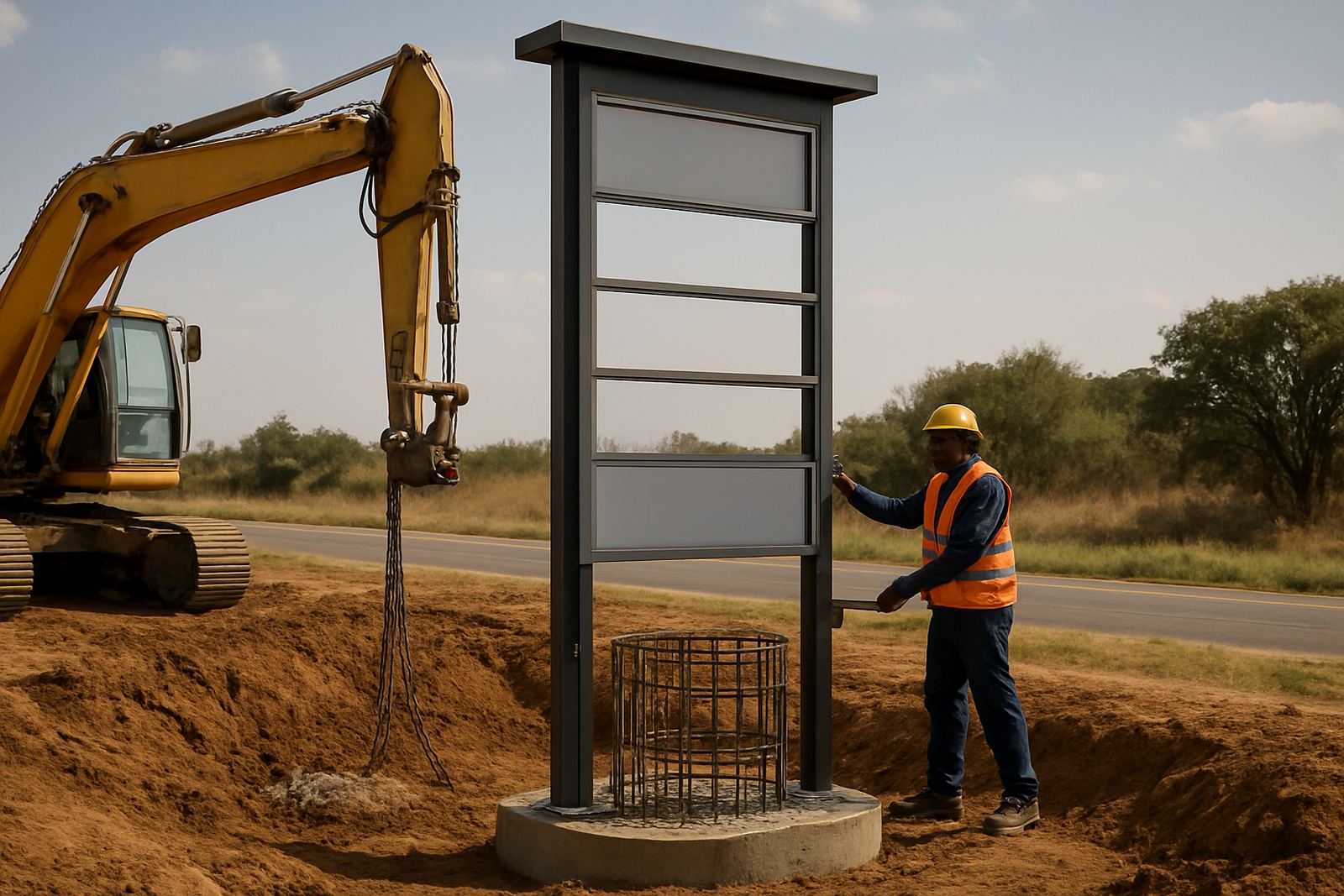
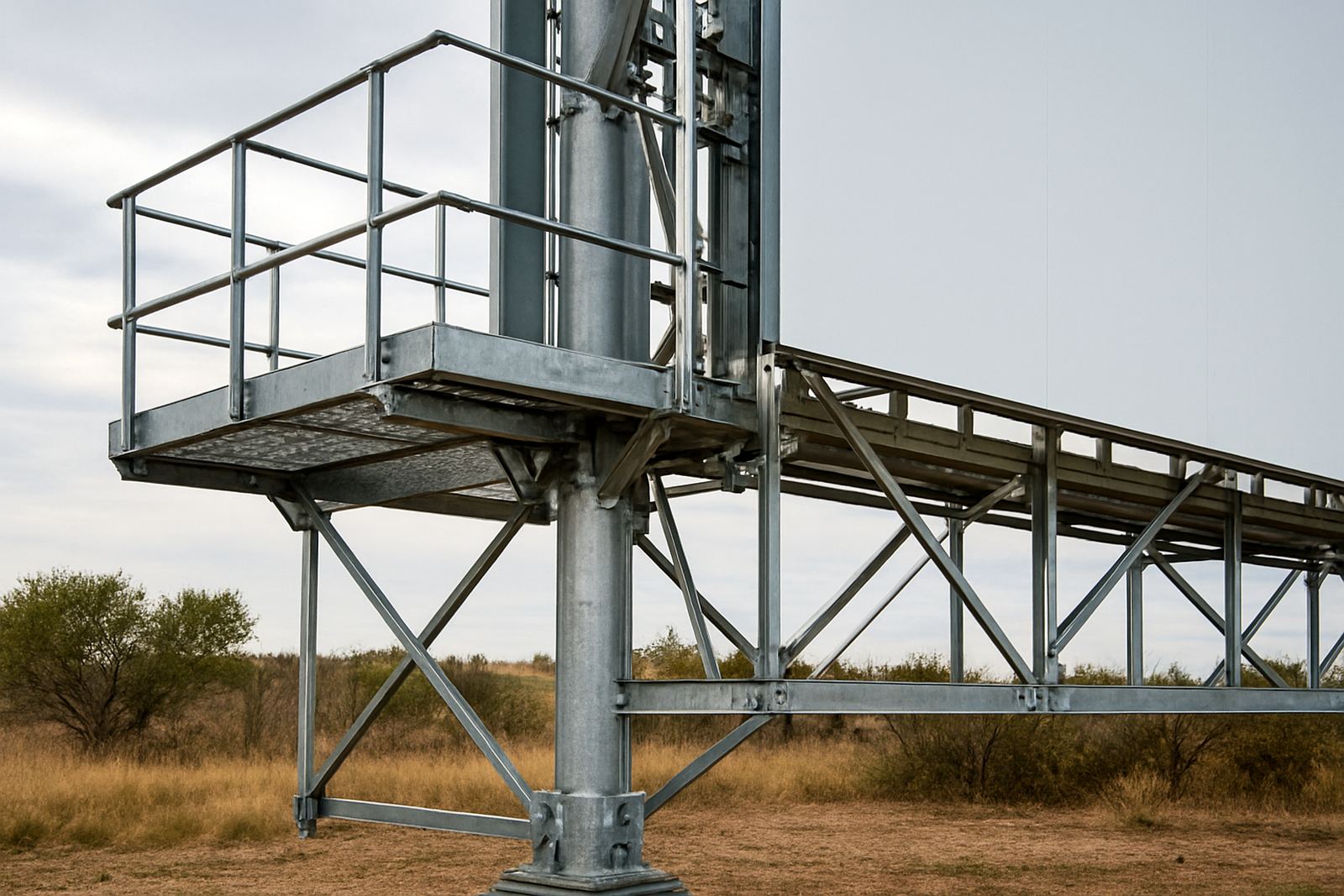
Many light box problems are really site problems. A neat cabinet still fails if the wall cannot take the load, the wind exposure was not checked, or the local approval process was ignored. For roads, malls and public sites, structural coordination and approval support should happen before fabrication starts, not after the sign is built.
Ask for the mounting method, anchor type and load assumptions to be checked against the actual site. On exposed buildings in Sandton, Midrand or Pretoria, wind load can change the fixing detail. On older walls in Germiston or Randburg, substrate condition may affect whether a backing frame is needed. If the cabinet is going on a development or municipal property, get the approval path mapped early so the project does not stall at the last step.
- Confirm the mounting surface and its condition.
- Check whether structural sign-off is required.
- Record any municipal or landlord approval rules.
- Define who is responsible for site measurements and final setting out.
Use a simple specification checklist before you order
A clear brief saves time, protects budget and reduces site rework. If you are ordering one cabinet or twenty, the same core information should be locked in before fabrication starts. That means one drawing, one agreed output, one access method and one sign-off point for the client, engineer and installer.
If you are managing several sites across Gauteng or further afield, keep the specification consistent and only vary the details that genuinely need to change. That makes spare parts, maintenance planning and future replacements much easier.
- Size in millimetres, including overall depth.
- Face material, finish and graphic method.
- Lighting type, output and colour temperature.
- Access method for servicing.
- Fixing method and site-specific structural notes.
- Approval requirements and handover documents.