What the metal has to do on site
For sign bodies, supports and frames, the metal does more than hold shape. It has to cope with vibration, wind, heat, cleaning, drilling for fixings and years of weather. In Gauteng, that usually means hot sun, summer storms and dust. On coastal jobs in Durban or any humid area, salt in the air adds another layer of risk.
That is why the first question is not always what is cheapest. It is what the sign must carry, how big it is, where it will be fixed and whether it will be exposed all day or tucked into a covered forecourt. A small wall panel inside a mall does not need the same material choice as a pylon on a highway verge or a set of route markers on a municipal road.
At Deep3 Signage Consultants, the material decision is usually made alongside the structural checks, finish schedule and maintenance plan. That avoids surprises later, especially when a project has to move from drawing to fabrication and then to site rigging without delays.
Aluminium for lighter signs and cleaner finishes
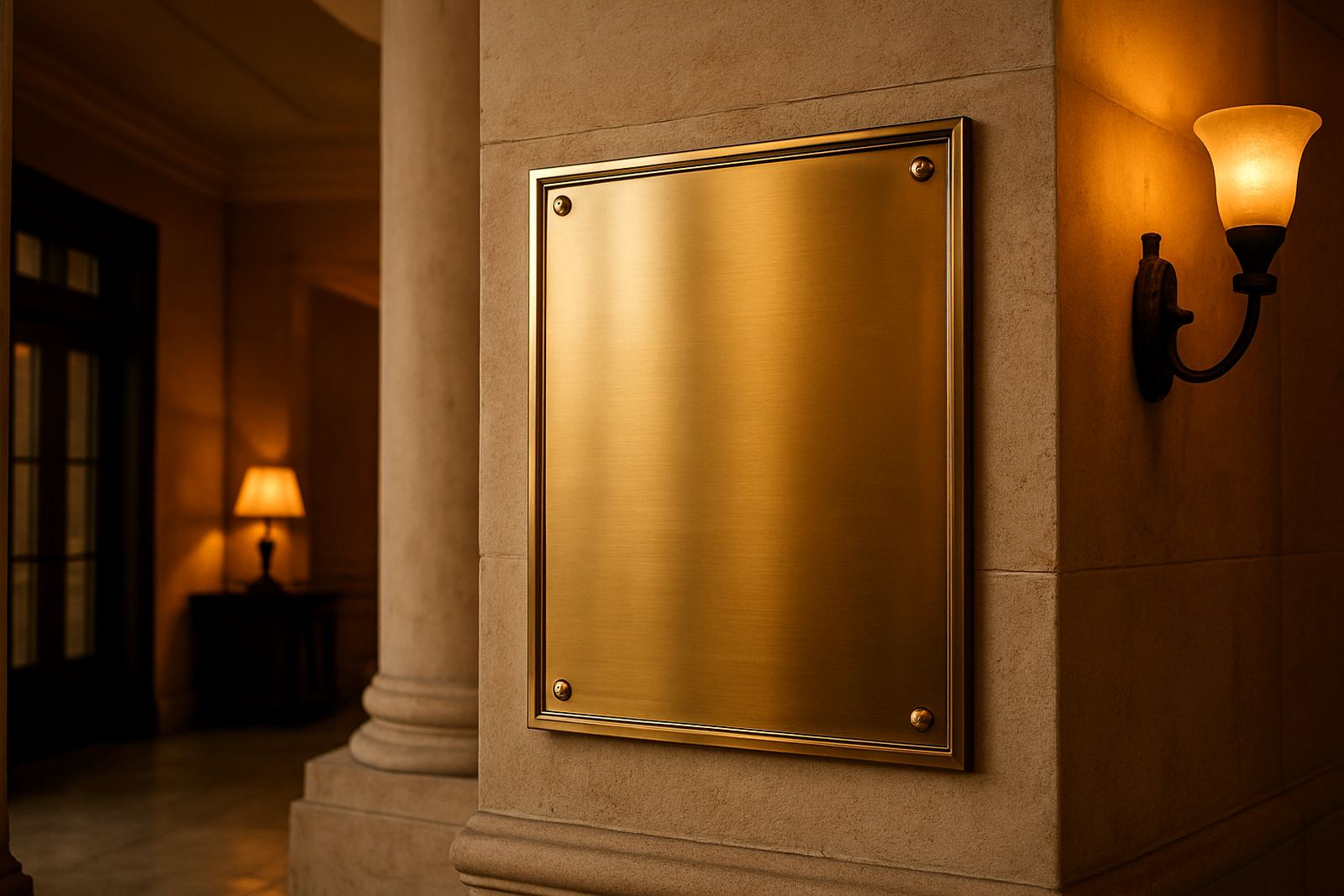
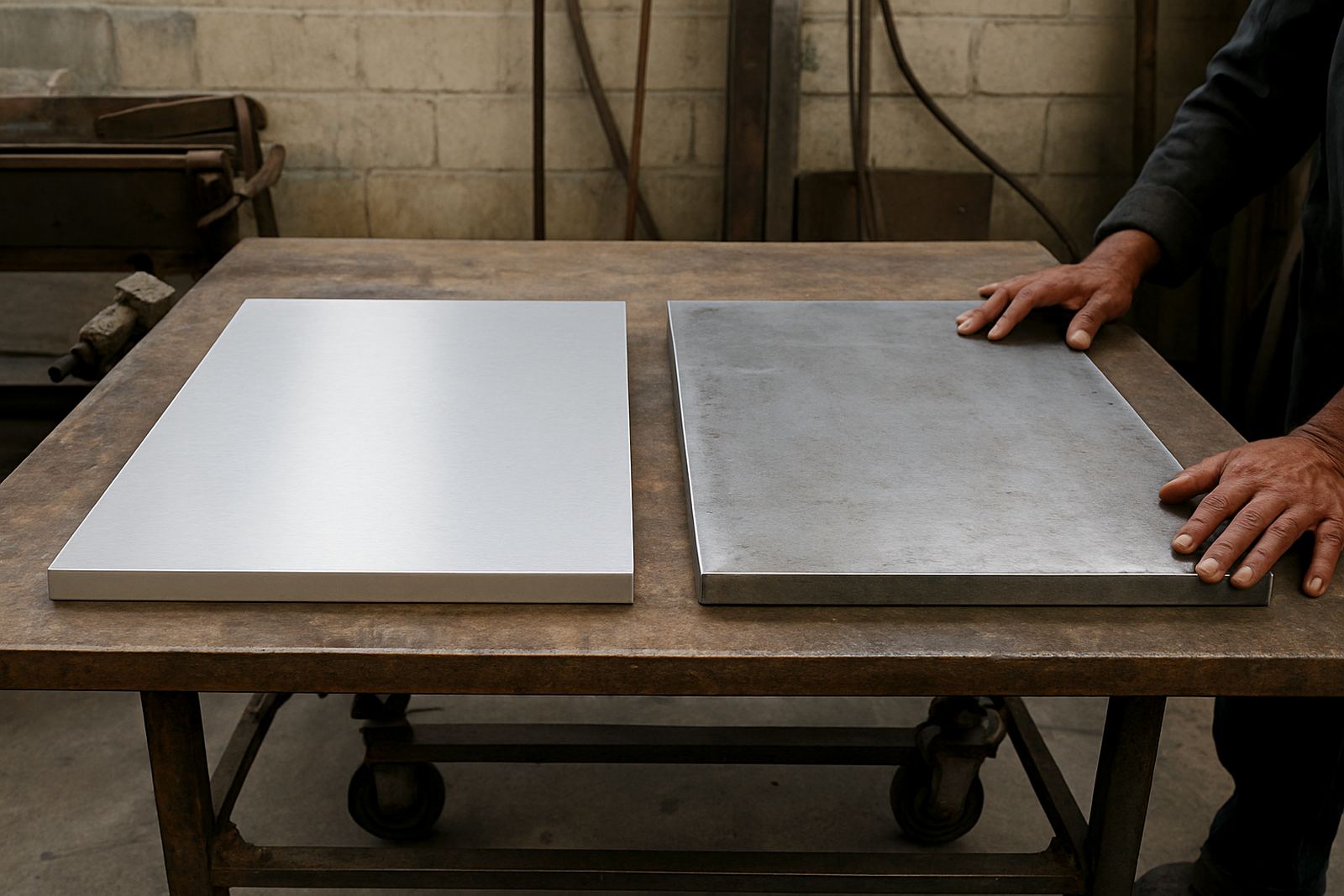
Aluminium is often the better option where weight matters. It is lighter than steel, so it is easier to handle on site and puts less load on brackets, frames and wall anchors. For wall-mounted panels, routered letters, fascia cladding and many light box bodies, aluminium is a practical choice.
It also resists corrosion well, especially when the edges are properly sealed and the fixings are selected with care. That makes it useful for Johannesburg, Pretoria and Midrand, where the weather can swing between dry heat and heavy rain. It is also a good choice for coastal conditions if the detailing is done properly and the maintenance plan is realistic.
Some of the common uses include:
- Flat sign panels and cladding skins
- Light box casings and side returns
- Bracketed wall signs where weight is limited
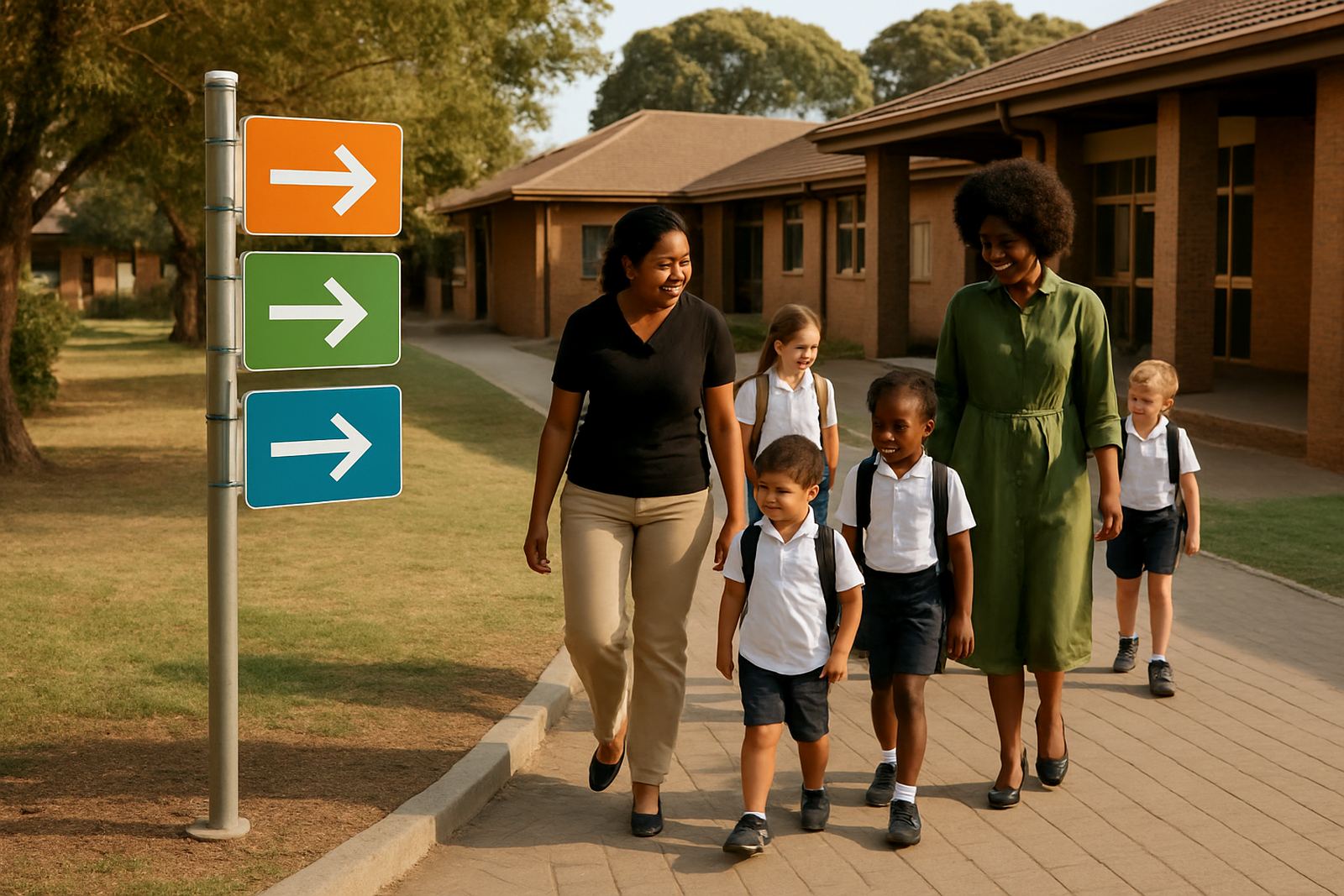
- Wayfinding blades and directional panels
- Trim caps and frame members for illuminated signs
Aluminium does need correct fabrication. Poor welding, sharp cut edges and the wrong fasteners can still lead to staining or movement over time. For that reason, the detail work matters as much as the sheet thickness.
When steel gives the better structure
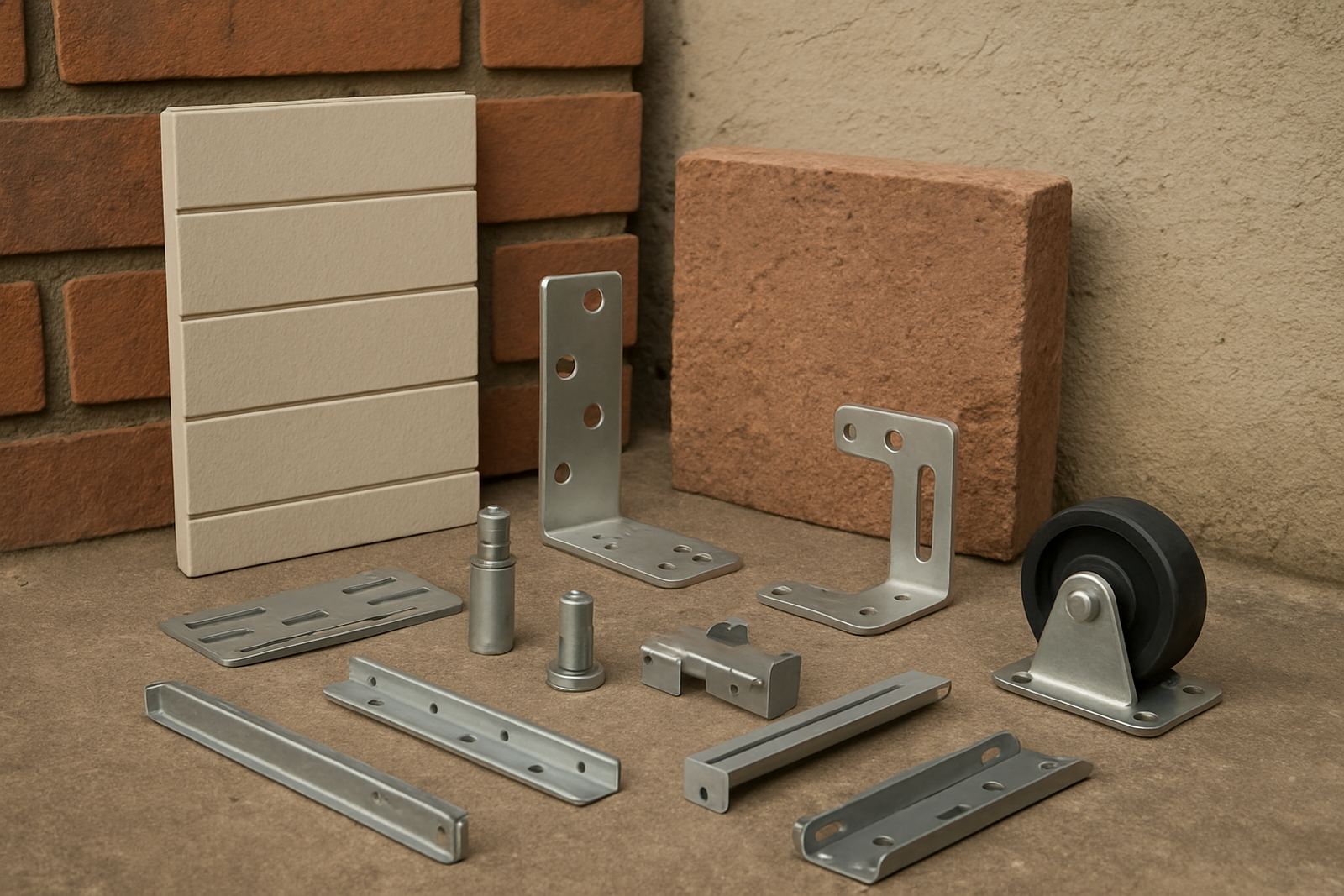
Steel is the stronger choice where the sign needs serious structural support. It carries more load, handles larger spans and gives better stiffness for tall pylons, free-standing frames and billboard structures. For road-facing signs and screen structures, steel is often the main frame, even when the outer cladding is aluminium or another lighter material.
The trade-off is corrosion. Steel must be protected with the right coating system, and in some cases hot-dip galvanising is the safest route. On outdoor work in places like Germiston, Centurion or along exposed routes out towards the Highveld, a paint system alone may not be enough if the structure is expected to last for years with limited access.
Steel is usually preferred where the project calls for:
- Pylons and large free-standing sign structures
- Billboard frames and support masts
- LED screen support towers and service access frames
- Heavy gates, brackets and mounting arms
- Sites with high wind load or long spans between supports
The key is to treat steel as a structural material first, then design the finish around the environment. If that is done well, steel can deliver a very long service life.
How corrosion changes the decision
Corrosion is the real test of any outdoor sign. Aluminium and steel both react differently to moisture, air pollution and poor detailing. In Johannesburg, dust and rainwater sitting in corners can create staining and surface wear. In Durban, salt and humidity speed up damage if drainage and coatings are ignored. Even inland, trapped moisture can attack fixings, joints and cut edges.
A practical specification should deal with the whole assembly, not only the visible face. That means thinking about dissimilar metals, drainage holes, sealing, powder coating, paint build-up and how water will leave the structure after a storm. If a sign traps moisture, it will shorten the life of both aluminium and steel.
Useful corrosion checks include:
- Keeping fasteners compatible with the main structure
- Sealing cut edges and drilled holes properly
- Avoiding hidden water traps inside boxed sections
- Using the right coating thickness for the site condition
- Planning cleaning access for municipal or commercial maintenance teams
For coastal sites, aluminium often wins for small to medium sign bodies, but steel still has its place where the sign is large or exposed. The right answer depends on the full detail, not just the name of the metal.
Cost today versus cost over the next few years
Budget is always part of the conversation, but the cheapest material on day one can be the most expensive later. If a steel frame needs frequent repainting, or an aluminium body needs replacing because it was under-specified, the project cost climbs quickly. That is especially true on municipal work and developer sites where access and lift hire add to every visit.
Aluminium can be more expensive for some fabricated shapes, yet it may save money on handling and maintenance. Steel may cost less for a large structure, but then needs more protection and more careful inspection. On a site in Sandton or Randburg, where a sign is visible every day and downtime affects the tenant or brand, maintenance intervals matter just as much as the original fabrication price.
A sensible cost review should ask:
- How often will the sign need repainting or recoating?
- Will the structure be accessible by ladder, cherry picker or crane?
- Is there any risk of theft, impact or vehicle strike?
- Will the sign carry lighting, screens or other service equipment?
- What is the expected life of the development or tenancy?
That kind of thinking helps avoid false savings. It also makes it easier to choose a material that suits the site instead of forcing the site to suit the material.
A Modderfontein example: pylon, fascia and screen support
A recent type of project in the Modderfontein and eastern Johannesburg area may need three different metal decisions in one scope. A branded pylon near the entrance can be steel for strength, with aluminium cladding for the visible faces. A tenant fascia sign can be all aluminium to keep weight down on the wall. A screen support may need a galvanised steel frame so it can handle wind and service access.
That mix is often the most practical solution. It lets each part of the system do what it does best, instead of making one material carry every job. On sites where trucks, foot traffic and service contractors are moving through the area, practical detailing can make the difference between a sign that lasts and one that starts failing early.
For this kind of work, the project team normally looks at:
- Load path and fixing points
- Corrosion exposure by elevation and direction
- Access for installation and future maintenance
- Weight limits on walls, roofs or plinths
- How the finish will look under daylight and lighting at night
The result is not just a sign that looks right on day one. It is one that still looks acceptable after a few summers, a few storms and a few rounds of cleaning.
Choosing the right metal for the job
The short answer is that aluminium suits lighter, cleaner sign bodies and aluminium cladding, while steel suits structural frames, pylons and large support systems. But the real answer comes from the site, the size of the sign and the maintenance access available. If the site is coastal, exposed or high traffic, the material choice needs even more care.
For brands, developers and municipalities across Gauteng and further into Africa, the best result usually comes from matching the metal to the load and the environment. That means a practical specification, proper fabrication and a finish that can stand up to real use.
When the brief includes aluminium or steel, the right question is simple: what will this sign face in the next five to ten years? Once that is clear, the material choice becomes much easier.