
Why the wall, not the sign, decides the fixing method
Most fixing problems start with a simple mistake, treating every wall like it behaves the same. A precast concrete panel in Sandton, a plastered brick wall in Germiston and a steel-framed shopfront in Midrand all take load in different ways. The sign face may look identical, but the anchors behind it are doing very different work.
Before any fabrication starts, the wall needs to be checked for material type, thickness, hidden services, movement joints and access for drilling or lifting. On a busy retail frontage or municipal building, you also have to allow for where water runs, how the sun heats the surface, and whether the wall will flex during strong wind. That is why the fixing method should be specified with the substrate in mind, not chosen by habit.
Concrete and solid masonry need restraint, not guesswork
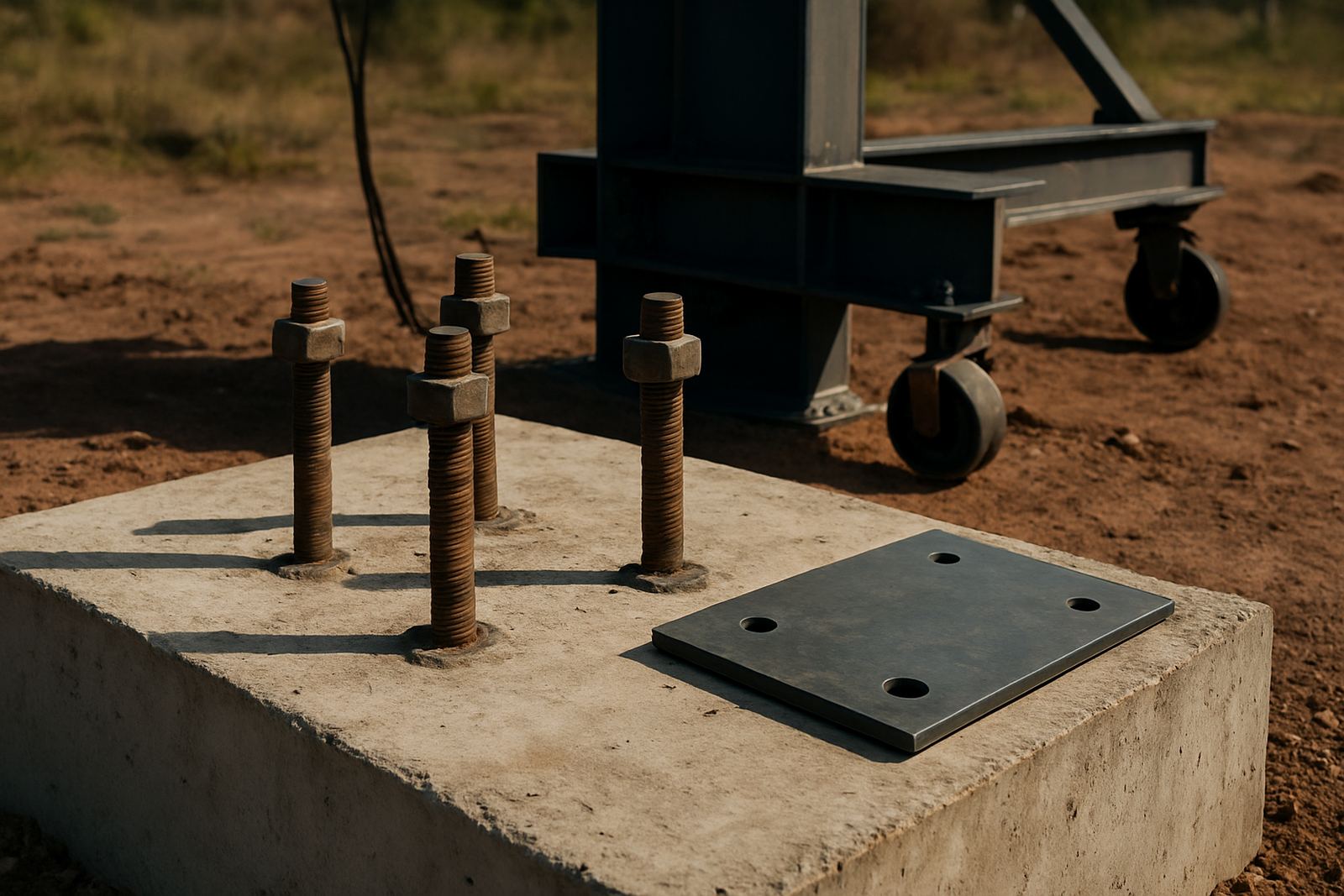
Solid concrete and dense brickwork are common across Johannesburg, but they still need different anchoring detail depending on the condition of the wall. Sound concrete can accept expansion anchors or chemical anchors, while older masonry often needs a deeper check for weak mortar joints, hollow patches and previous repairs. If the wall is cracked or uneven, spacing the fixings too far apart can leave the sign sitting proud in one corner and pulling in another.
For heavier fabricated 3D lettering, light boxes or panels with aluminium backings, the fixing line must spread the load evenly. In some cases a subframe is better than fixing each component directly to the wall. That gives a level installation, reduces local stress on the substrate, and makes later maintenance easier if one section ever needs to come off.
- Test the substrate before drilling, especially on older buildings.
- Match the anchor depth to the wall thickness and the design load.
- Use packers where needed so the face sits true and clean.
- Seal every penetration to reduce moisture ingress and staining.
Lightweight cladding calls for spread load fixing
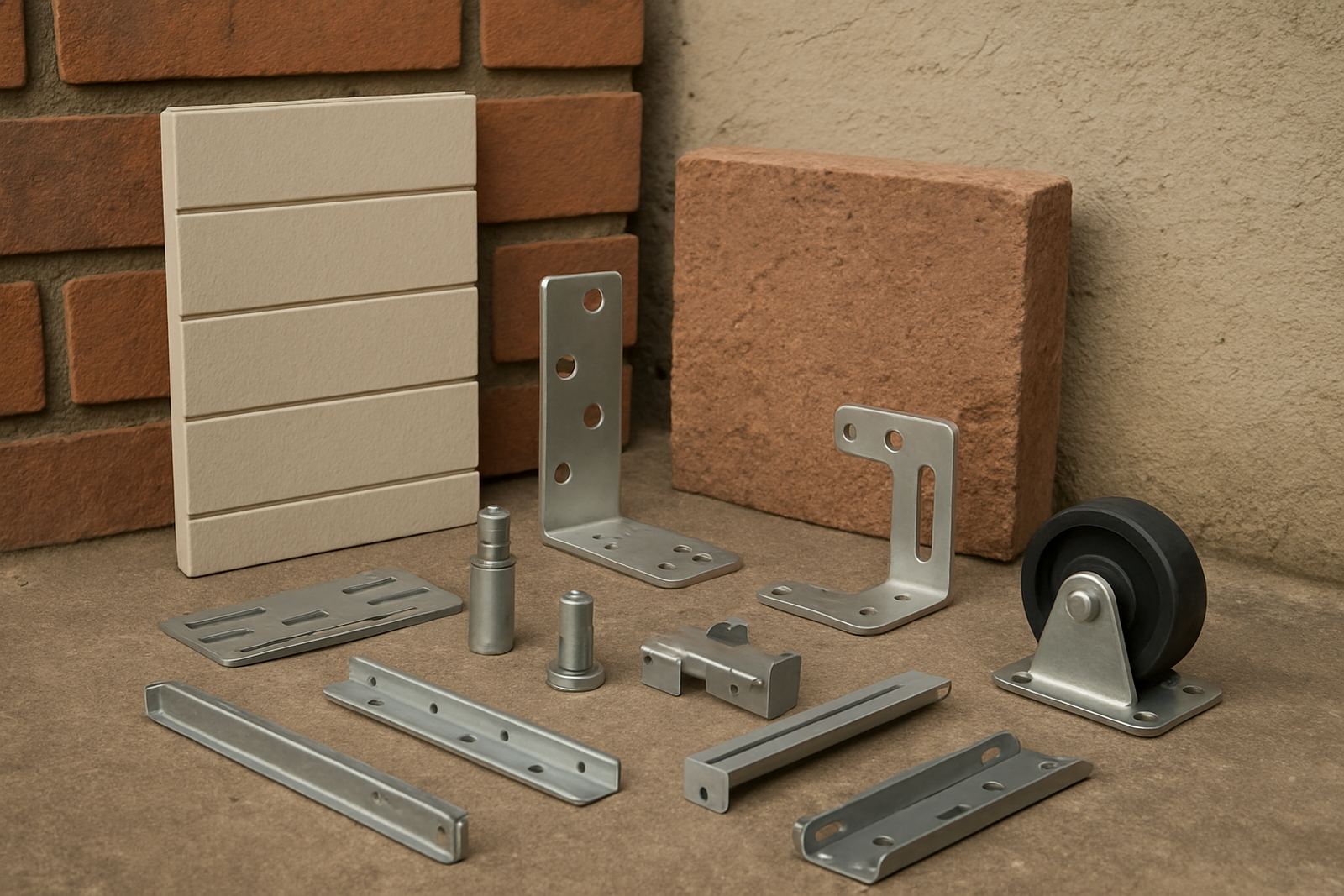
Composite panels, aluminium sheets and some modern façade systems are light, but that does not mean they are simple. Many of these surfaces cannot carry concentrated point loads very well, especially where the panel skin is thin. The better approach is often a rail or bracket system that transfers the load back to the structure behind the cladding.
This matters on office parks, apartment blocks and retail centres where the finished surface must stay neat after months of wind movement and temperature change. A point-fixing arrangement can leave visible dimples or oil-canning on thin material, while a properly designed rail system gives the sign a cleaner line and lets the installer set a consistent stand-off. It also helps when the sign needs to clear projection lights, expansion joints or services hidden behind the face.
- Use a rail system when the panel skin is too thin for direct anchoring.
- Keep fixings clear of seams, corners and movement joints.
- Allow for thermal expansion in aluminium and similar materials.
- Check access for future maintenance before finalising the bracket layout.
Water management is part of the fixing detail
In Gauteng the rain can come hard and fast, then disappear for weeks, and coastal humidity in places like Durban adds another layer of risk. If water can sit behind a sign, it will eventually stain the wall, attack fasteners or work its way into a seal. That is why façade fixing is never only about strength. It is also about where water drains, how air can dry the cavity, and where edges are closed off.
Good detail includes sealed penetrations, drain paths at the bottom edge and the right sealant for the material being used. On illuminated signs and LED screen frames, the back box and cable entry points need the same attention. A neat face means little if water can enter through an unprotected cable gland or pool behind the aluminium return. On a municipal project, that can lead to call-backs, complaints and avoidable downtime.
Standoff, rails or direct fixing: choosing the right support
There is no single fixing method that suits every façade. Direct fixing is tidy and cost effective on solid walls, but it is not always the safest option for larger signs. Standoff brackets are useful where the sign needs depth, clearance or shadow line definition. Rail systems are better when the load must be spread, the wall is uneven, or multiple components need to align over a long run.
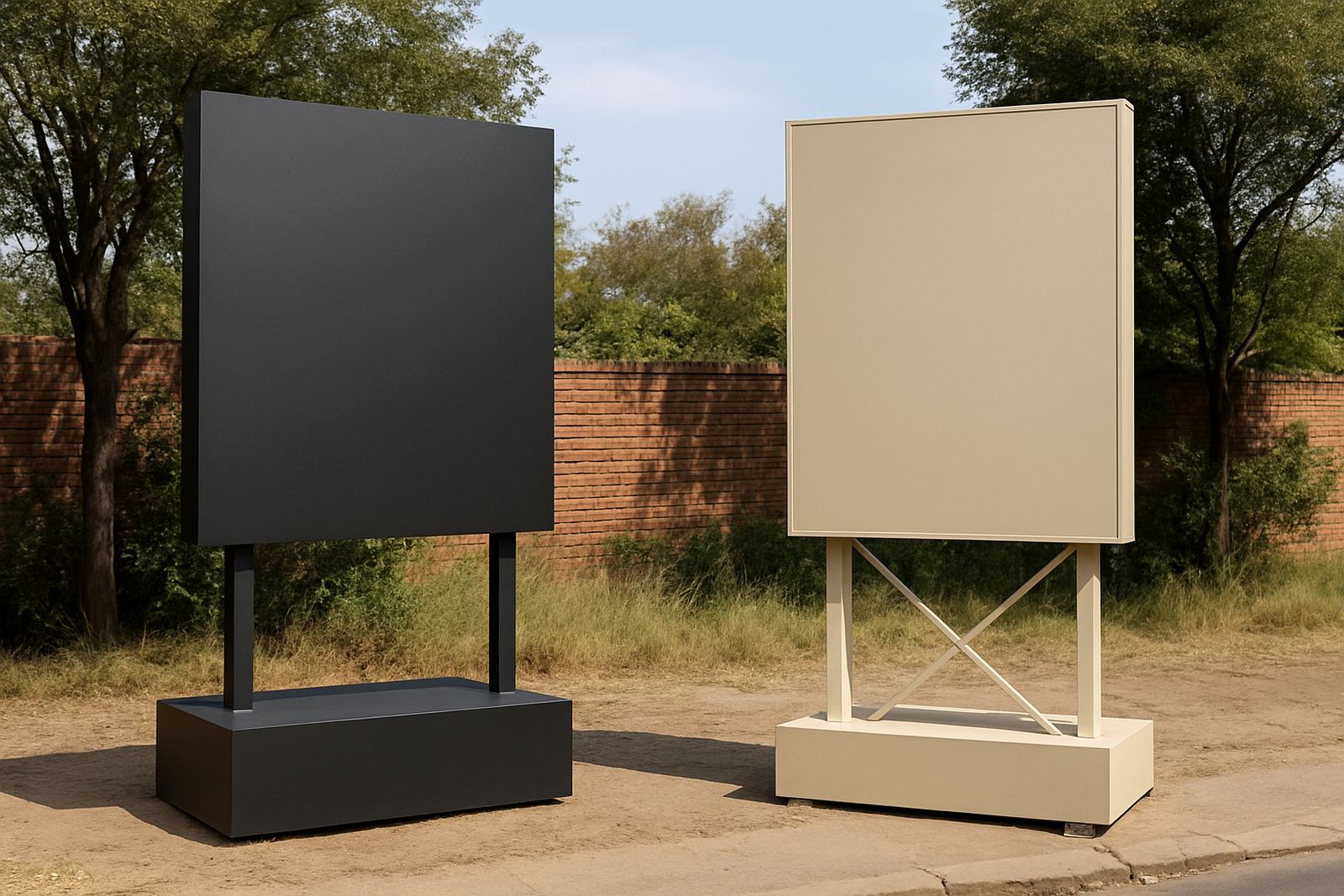
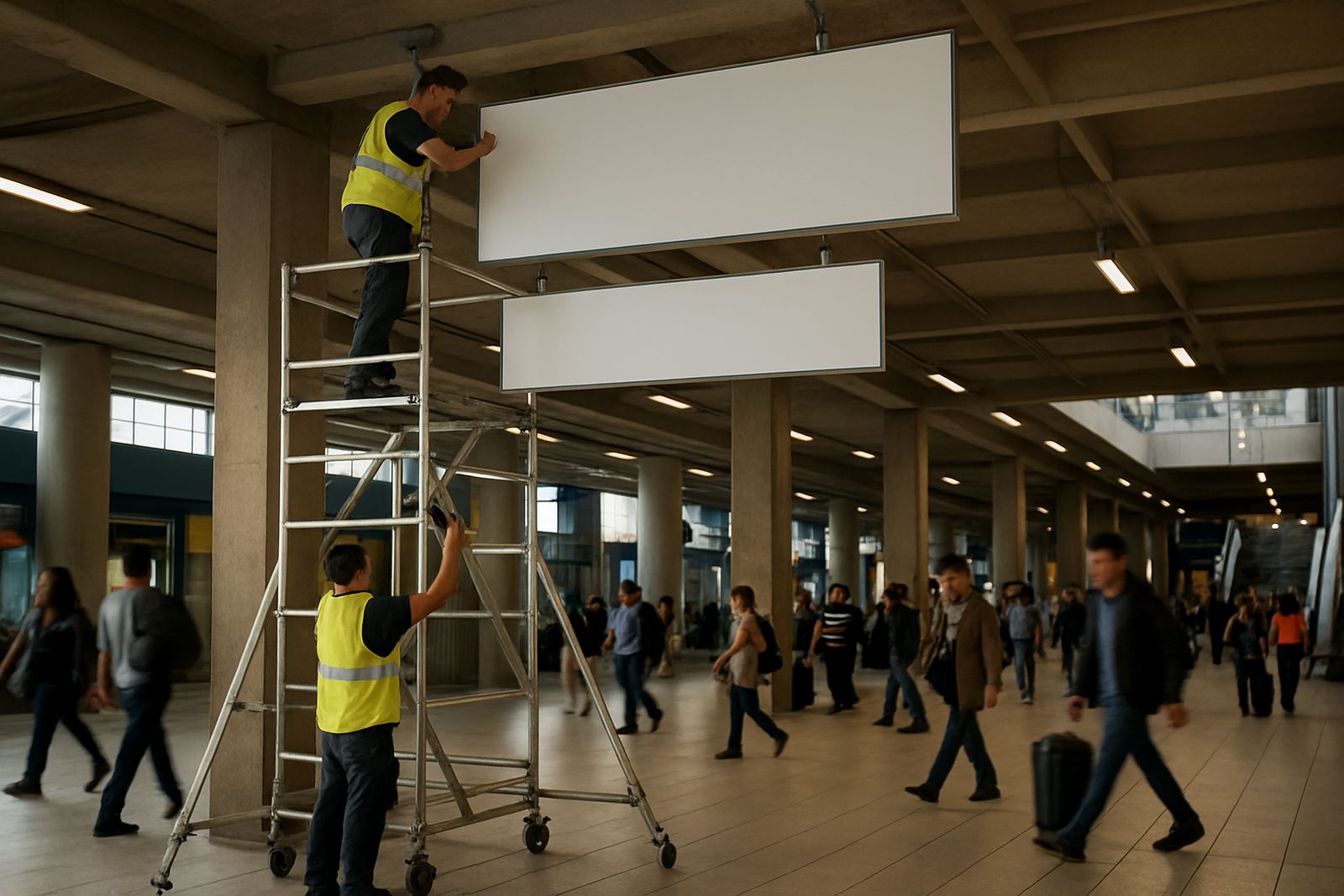
For pylon cladding, projecting wayfinding blades and larger brand panels, the support structure should be set out before fabrication is completed. That avoids last minute drilling on site and prevents the installer from forcing a component to fit a wall that was never measured properly. On a fast-track Gauteng development, that planning step can save days and reduce rework.
- Direct fixing works best on sound, uniform walls with moderate loads.
- Standoff brackets suit illuminated signs and features that need depth.
- Rails help with uneven walls, long spans and repeated fixing points.
- Always confirm wind load, dead load and access for installation before choosing the system.
A Modderfontein example: mixed materials on one frontage
On one recent Modderfontein frontage, a project needed fabricated lettering over a painted masonry wall, a projecting directional sign on a steel canopy, and an illuminated fascia above the entrance. Each part needed a different fixing method. The masonry section took a sealed anchor pattern with spacing adjusted to avoid weak mortar lines. The canopy sign used a bracket system tied back to the steel frame, while the illuminated fascia needed a level rail set to keep the face true and allow service access.
That mixed approach avoided unnecessary drilling into the wrong substrate and kept the finish consistent across the whole frontage. It also meant the maintenance team could reach the LED compartments and cable entry points without removing the whole sign. In practical terms, that is what good façade fixing should do: protect the building, hold the sign securely and make the next inspection easier, not harder.
What to check before fabrication starts
By the time a sign reaches the workshop, the fixing method should already be decided. That decision should come from a site survey, a read of the wall construction, and a clear understanding of load, access and weather exposure. If the building owner, contractor and sign team are not aligned on those points, the risk usually lands on the installer later.
For brands, developers and municipalities working across Gauteng, the safest route is to treat the façade as part of the project scope, not as an afterthought. The correct anchors, rails and water detailing are often invisible once the job is done, but they are what keep the installation straight, dry and serviceable long after handover.
- Confirm wall type and condition before design release.
- Check for movement joints, services and hidden steelwork.
- Match the fixing method to wind exposure and sign weight.
- Plan for drainage, sealing and future maintenance access.