
What pixel pitch actually means on an LED screen
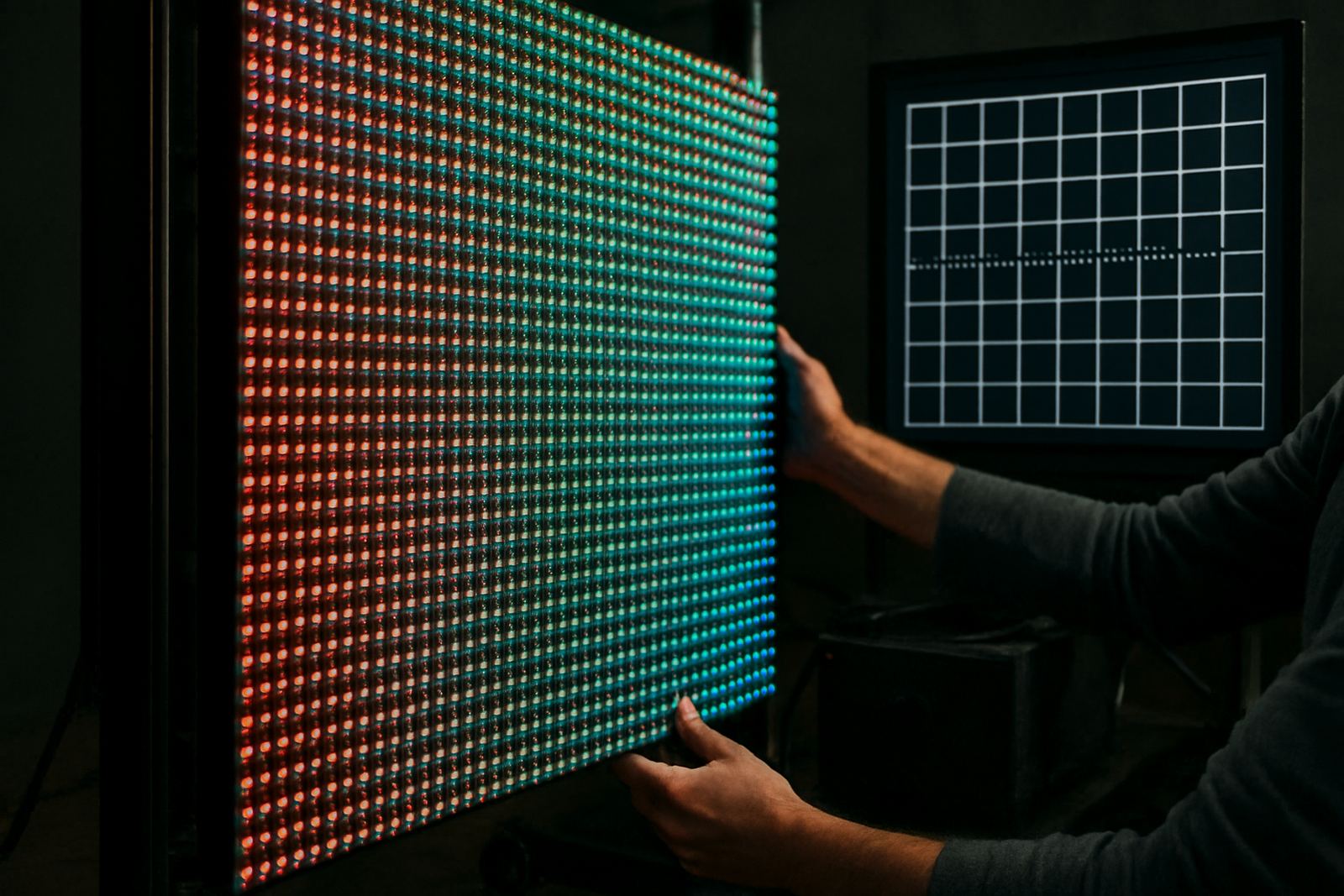
Pixel pitch is the distance in millimetres from the centre of one LED cluster to the centre of the next. A smaller number means the LEDs sit closer together, which usually gives a sharper image. A larger number gives a coarser image but can suit bigger screens that are viewed from further away.
For site teams and brand managers, the easiest way to think about it is simple: the closer the audience, the finer the pitch should be. If people are walking past at a few metres, they need more detail. If they are viewing from across a roadway or from the far end of a forecourt, you can work with a larger pitch and still get good legibility.
At Deep3 Signage Consultants, we look at pixel pitch together with screen size, mounting height, content type and local conditions such as dust, coastal humidity and power stability. A screen in Modderfontein does not behave the same way as one on a windy freeway site near Durban, so the specification has to be tied to the actual location.
Match pixel pitch to how far people stand back
Viewing distance is the main factor. As a rule, the tighter the pitch, the closer the audience can stand without seeing individual pixels. That matters for retail entrances, foyers, vehicle showrooms and pedestrian zones. It also matters for content with small text, live data or detailed graphics.
- Close viewing under 4 metres: choose a finer pitch for crisp text and clean motion.
- Mid-range viewing from 4 to 10 metres: a balanced pitch usually works for retail, offices and indoor public areas.
- Long viewing beyond 10 metres: a coarser pitch can still perform well on façades, road-facing sites and large outdoor structures.
If you select a pitch that is too coarse for the viewing distance, the image can look blocky and tired. If you over-specify with a very fine pitch on a large outdoor screen, the cost can rise sharply without giving a meaningful benefit to the people who will actually see it.
Choose finer pitch for text, finer detail and data
Content type changes the answer. A screen carrying TV-style video can tolerate a different pitch from one showing pricing, wayfinding, timetables or safety notices. If your message depends on reading a line of copy, a small logo or live figures, the image needs enough pixel density to keep the information clear.
Here is a practical guide for content planning:
- Text-heavy content needs the sharpest practical pitch for the budget and the site.
- Motion graphics and video can work on a slightly larger pitch if the viewing distance is generous.
- Wayfinding, event schedules and municipal notices need consistent clarity, especially when people are moving.
- Brand films and ambient content can allow a more flexible specification, but the screen still has to look clean up close.
For developers and municipalities, this is where the specification should be decided early. Once the structure, power supply and screen size are fixed, it becomes harder to change the pixel pitch without affecting the whole project.
Outdoor screens in Gauteng need more than just the right pitch
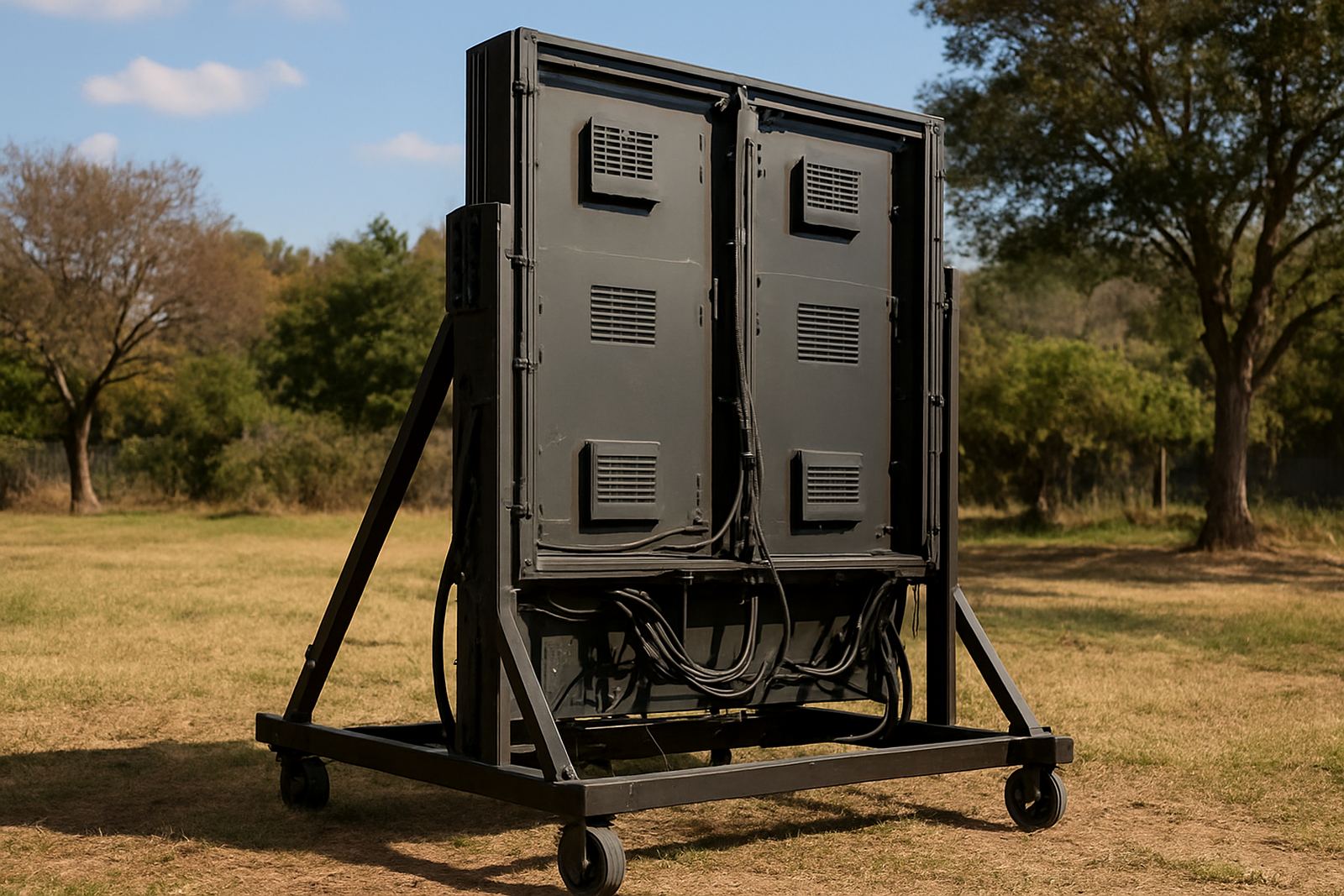
Outdoor LED screens in Gauteng must cope with harsh sun, dust, wind and summer storms. In places like Sandton, Randburg and Pretoria, glare can affect visibility, while in industrial and roadside sites the screen must also be protected against dirt and vibration. Along the coast, humidity can influence long-term performance so enclosure quality and ventilation matter as much as pixel pitch.
That is why pitch should be selected with the full installation in mind. A screen that looks good on paper may still underperform if the structure is weak, the cooling is wrong, or maintenance access was not planned properly. Load-shedding is another practical issue. A screen that switches on and off with unstable power can fail early if the electrical design is not properly coordinated.
- Check brightness for direct sun exposure.
- Allow for service access and safe working clearance.
- Specify protection for dust, rain and vandal exposure.
- Plan for power backup and controlled restart after outages.
A local example from Modderfontein to the rest of Gauteng
Consider a property developer in Modderfontein planning a roadside LED screen for a mixed-use precinct. The audience includes drivers passing at speed, pedestrians entering the site and tenants who want clear promotional messages. A very fine pitch would not add much value for drivers at distance, while a coarse pitch might look poor for pedestrians at the gate.
In that case, the right choice comes from the actual use case. The screen may need to support short adverts, brand messages and occasional emergency notices. A balanced pitch can give enough clarity for text while keeping the structure and budget within reason. If the same developer wanted a lobby screen for close viewing, the answer would be different.
This is the kind of decision Deep3 handles every day across Johannesburg, Midrand, Centurion, Pretoria and beyond. We align the pitch with the message, the mounting height, the available power and the installation method so the screen performs properly on site not just in a drawing.
Specification details that save money later
Pixel pitch is only one line in the specification sheet, but it influences a lot of other choices. Once the pitch is fixed, the screen resolution, cabinet layout, processing requirements and viewing expectations all follow from it. That is why the early planning stage matters so much.
Before signing off, ask these questions:
- Who will stand closest to the screen?
- What content will run most often?
- Will the screen be read while moving or while standing still?
- Is the site indoor, semi-outdoor or fully exposed?
- What maintenance access is available after installation?
If these points are settled early, the project is easier to build, approve and maintain. It also reduces the risk of overspending on a pitch that is finer than needed, or underspecifying a screen that cannot do the job.